



The Complete Kitchen & CraftsBuyer’s Guide for Japan Travelers
Japanese kitchen tools are one of the quieter souvenir categories — not as photogenic as a Shibuya haul, but the kind of purchase that repays itself every time you cook for the next decade. Japanese knives in particular have a reputation that is entirely deserved: the steel is harder, the edge geometry is sharper, and the craftsmanship is higher than nearly any equivalent you can buy in a Western kitchen store at comparable prices.
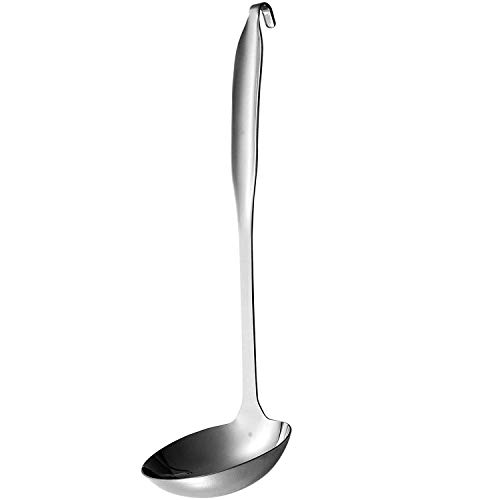
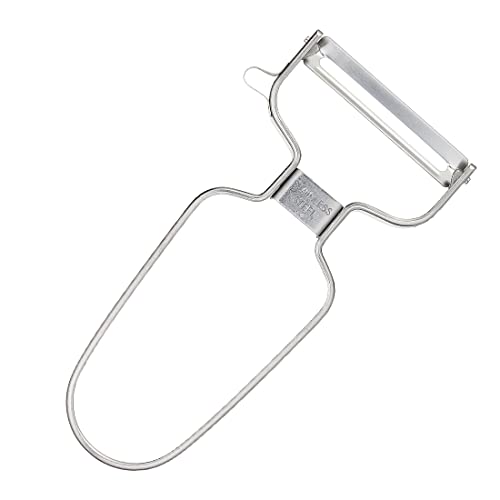
This category focuses on the kitchen items tourists realistically carry home: a good chef's knife or santoku, a traditional grater or mandoline, sharp scissors, a tamagoyaki pan for Japanese-style rolled omelets, and the small handmade accessories (rice paddles, chopstick rests, donburi bowls) that turn a Western kitchen into one with a Japanese accent.
What to Look for When Buying
- Knives: choose shape, then brand. The santoku (all-purpose) and gyuto (chef's knife) cover 90% of home cooking. A petty knife is nice for small tasks. Choose the shape based on how you already cut, not the brand marketing. Most well-known Japanese brands make excellent versions of each shape.
- Steel hardness vs maintenance. Japanese knives often use harder steels (60+ HRC) that hold an edge longer but are more brittle. If you are not comfortable honing and resharpening a knife yourself, or if you share the kitchen with casual users, a slightly softer stainless steel is more forgiving.
- Handle shape. Japanese knives come with either Western-style (full-bolster, double-bevel) or Japanese-style (octagonal wood, single-bevel) handles. Western is more familiar for most travelers; Japanese-style is traditional and slightly lighter but takes getting used to.
- Check airline rules. Knives must go in checked luggage, never carry-on. Wrap them securely with the blade guard and pack them in the middle of your suitcase. Declare them at customs only if your home country specifically requires it.
How to Compare Your Options
Santoku vs gyuto: santoku is shorter with a flatter edge, easier for chopping vegetables in small kitchens. Gyuto is longer with a curved edge, better for rocking-motion cutting of meat and herbs. If in doubt, go gyuto — it handles more tasks.
Stainless vs carbon steel: stainless is easier to maintain, does not rust, and is perfect for beginners. Carbon steel holds a sharper edge for longer but will rust if you leave it wet. Casual cooks should choose stainless.
Handmade vs factory: factory-made knives from reputable Japanese brands are excellent value and consistent in quality. Handmade knives are beautiful and carry a story but cost 3-5x more. Both are legitimate choices.
Amazon Japan Hotel Delivery for This Category
Kitchen items ship well from Amazon Japan. Knives are individually boxed with cardboard blade guards, ready to pack directly into checked luggage. Order 2-3 days before your departure so the package has time to arrive at your hotel. Email the hotel in advance — some front desks treat knife-shaped parcels a bit more carefully, and a heads-up smooths the handover.
Frequently Asked Questions
- Can I bring a Japanese knife home in my luggage?
- Yes, in checked luggage only. Never in carry-on. Wrap the blade with the included guard and pack it securely in the middle of your suitcase.
- Which knife should a beginner buy first?
- A stainless-steel santoku, 165–180mm blade length. It is the most versatile first knife and the easiest to maintain.
- How do I care for a Japanese knife?
- Hand wash only (never dishwasher), dry immediately, and hone regularly with a ceramic rod. Sharpen on a whetstone every 3-6 months of regular use.
- Is a traditional Japanese pan worth buying?
- A tamagoyaki rectangular pan is the most useful if you want to make Japanese-style rolled omelets. Otherwise, a quality non-stick pan from home works for most Japanese home cooking.
- Are prices on Amazon Japan competitive with Japanese kitchen stores?
- Very close for factory-made knives, sometimes better for accessories. Specialty knife shops in Tokyo (Kappabashi) will have more variety and knowledgeable staff, but you pay for the experience.
Browse the picks above for the knives and tools we most often recommend. Remember: knives in checked luggage only, and email your hotel when ordering a knife-shaped parcel.