






The Complete Japanese SouvenirsBuyer’s Guide for Japan Travelers
Souvenirs in Japan have a specific word — omiyage — and a specific cultural weight. The expectation is not a fridge magnet; it is a small, beautifully packaged, consumable gift that you bring back for coworkers, family, and neighbors. Japan has built an entire retail category around this, and the tourist-friendly subset of it is some of the best souvenir shopping in the world.
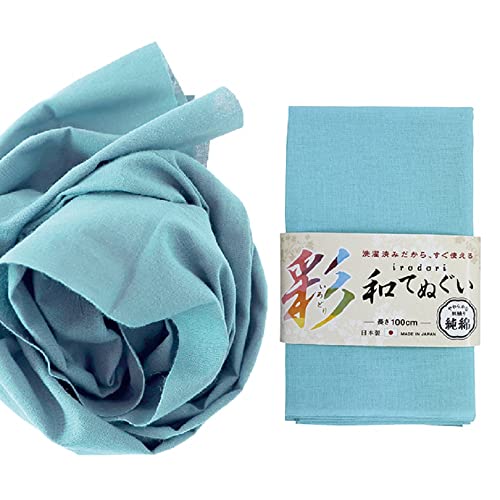
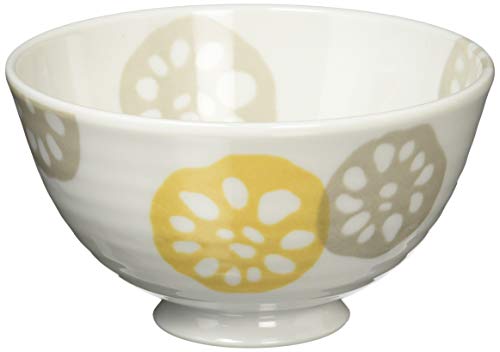
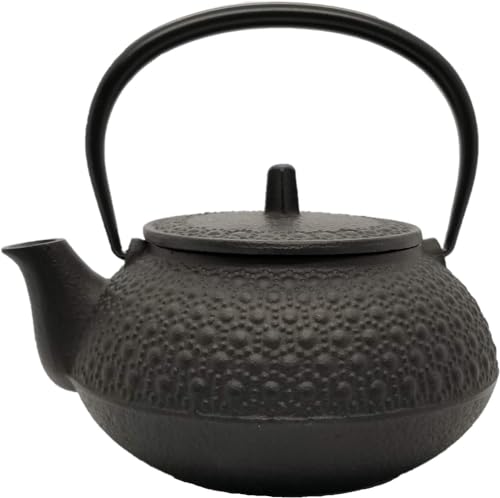
This category focuses on gifts that travel well, survive customs, and carry a clear Japan identity: traditional sweets and confections, small lacquerware and pottery, classic stationery, and compact cultural items like folding fans and tenugui towels. We deliberately exclude the most fragile items (expensive ceramics, large lacquerware) that do not survive long flights.
What to Look for When Buying
- Quantity planning. Japanese omiyage culture assumes you are gifting many people. A single box of individually wrapped sweets serves a whole office — that is why every train station sells them in 20-piece boxes. Plan your gift count before you shop to avoid over- or under-buying.
- Breakable items: pack in the middle. Ceramics and glassware go in the middle of your suitcase, wrapped in clothes. Do not put them near edges. Consider buying bubble wrap or a cheap packing towel dedicated to souvenirs.
- Consumables expire. Traditional wagashi sweets have short shelf lives — sometimes 2-4 weeks. Check before buying if you are not flying home immediately. More shelf-stable items like senbei and individually wrapped confections travel better.
- Price vs story. A ¥1,000 cultural item with a story about where you bought it is a better souvenir than a ¥5,000 generic one. Don't equate price with meaning.
How to Compare Your Options
Edible vs non-edible: edible is cheaper per recipient and fits more gifts in your suitcase. Non-edible lasts forever but costs more per item.
Traditional vs modern: traditional (lacquerware, tenugui, tea) has clearer Japan identity. Modern (stationery, gadgets, character goods) is often more actually useful for the recipient.
Department store vs tourist market: department store basement food halls (depachika) have genuinely excellent gift-quality items. Tourist markets vary wildly in quality — shop carefully.
Amazon Japan Hotel Delivery for This Category
Many souvenir items can be pre-ordered from Amazon Japan and delivered to your hotel, which saves the last-minute scramble on departure day. This works especially well for packaged sweets, lacquerware sets, and boxed gifts that just need adding to your carry-on. Avoid ordering extremely fragile ceramics through delivery — buying those in person from a physical store gives you a chance to inspect before purchase.
Frequently Asked Questions
- What is the best budget-friendly souvenir?
- Individually wrapped traditional sweets. A box of 20-30 pieces costs around ¥1,500-3,000 and serves an entire office or extended family.
- Are ceramics safe to bring home?
- Small items (chopstick rests, small dishes, teacups) yes, if carefully packed. Large bowls and tea sets are risky — consider shipping them separately or buying only from shops that offer international shipping.
- What about tea as a souvenir?
- Excellent choice — lightweight, shelf-stable, unmistakably Japanese. Matcha, sencha, and hojicha are the most universal picks.
- Should I buy at the airport duty-free?
- Airport selection is limited and slightly marked up. Buy your main souvenir haul in the city and save airport shopping for any last-minute gaps.
- Are traditional crafts better than mass-produced ones?
- Depends on your recipient. For someone who will appreciate a hand-crafted item, yes. For casual gifts to coworkers, mass-produced items with good packaging are actually more appropriate.
The souvenirs listed above are the picks that reliably make it home in one piece and are actually appreciated by recipients. Use Amazon Japan hotel delivery for the bulky packaged items and save your shopping time for experiences.