



The Complete Seasonal ItemsBuyer’s Guide for Japan Travelers
Japan does seasons harder than almost anywhere else. Hanami cherry blossom viewing in spring, the brutal humid heat of July and August, the blazing red autumn leaves of October and November, and the crisp snowy onsen season of December through February — each requires different gear, and tourists who skip the seasonal prep pay for it in discomfort.
This category pulls together the seasonal essentials tourists wish they had packed: cooling towels and UV hats for summer, hand warmers and thermal layers for winter, allergy masks for spring, and compact raingear for the rainy season in June. None of these are expensive, all of them are small enough to fit in a daypack, and every one of them comes up in tourist trip reports as 'I wish I had brought one'.
What to Look for When Buying
- Match the season you are actually visiting. This sounds obvious but tourists routinely pack for the season they imagine rather than the season they get. Check real humidity and temperature averages for your dates, not the romanticized version. July in Kyoto is genuinely oppressive; late February in Hokkaido is genuinely cold.
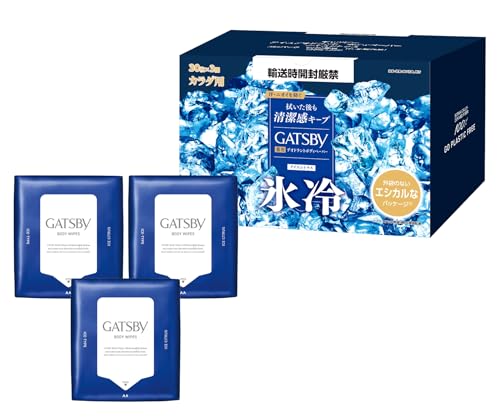
- Summer: cooling tech is a real thing. Cooling towels, neck fans, UV-blocking arm sleeves, and ice vests are not gimmicks in Japanese summer — they are standard gear for locals. A neck fan alone will meaningfully improve your walking stamina in July and August.
- Winter: layer, do not bulk. Japanese winter is cold but not Arctic. You need good thermal base layers, not a massive parka. Heat packs (kairo) are sold everywhere and are the tourist secret weapon — slip one into each pocket and your walk to the onsen becomes pleasant instead of painful.
- Allergy season. If you are visiting in late February through April, brace for cedar pollen (sugi kafun). Even tourists who have never had allergies at home sometimes react. A supply of disposable masks is cheap insurance.
How to Compare Your Options
Heat packs: disposable kairo (one-use, 12+ hours of warmth) vs rechargeable hand warmers. Disposable are cheaper, lighter, and more reliable for multi-day trips. Rechargeable is only better if you have consistent charging access.
Umbrellas: a compact travel umbrella beats a full-size for tourists because it fits in a daypack and Japan's umbrella stands accept standard sizes. Pick one that stays packed small when wet.
Masks: N95s are overkill for most tourists; standard surgical or pleated fabric masks handle allergies and light illness protection and are what locals actually wear.
Amazon Japan Hotel Delivery for This Category
Seasonal items are a perfect Amazon Japan hotel delivery category because you can decide what you need based on the actual weather when you arrive — rather than over-packing at home. Check the forecast for your first week, order what you need one day before check-in, and it will be waiting for you.
Frequently Asked Questions
- When does cherry blossom season actually happen?
- Late March through mid-April for Tokyo/Kyoto, early April for Mt Fuji area, early May for Hokkaido. Peak bloom is roughly one week in each area. Book flexible dates if hanami is a priority.
- How hot is Japanese summer really?
- Daytime highs in Tokyo and Kyoto routinely hit 35°C (95°F) with brutal humidity in July and August. Hokkaido is dramatically cooler. Plan outdoor activities for morning and evening, rest indoors mid-day.
- Do I need winter gear for a Tokyo-only trip in January?
- Layers yes, heavy parka no. Tokyo winter is cold (around 5-10°C / 40-50°F) but dry and sunny. A good jacket with a base layer is plenty.
- Is autumn leaf season worth planning around?
- Yes — late October for mountain areas, mid to late November for Kyoto and Nikko. The crowd density is lower than cherry blossom season and the scenery is arguably better.
- What about typhoon season?
- September is peak typhoon risk. Flights can be disrupted. Travel insurance is worth the premium if you are visiting in September.
The seasonal picks above cover the items tourists consistently say they needed. Check the weather forecast for your travel dates, order 1-2 days before arrival, and let hotel delivery handle the rest.