







The Complete Japanese StationeryBuyer’s Guide for Japan Travelers
Japanese stationery is one of the quietest powerhouse categories in global retail. Pilot, Mitsubishi, Zebra, Tombow, Kokuyo, and Midori produce tools that stationery enthusiasts worldwide treat as aspirational. A Frixion pen, a Kakuno fountain pen, a Kokuyo Campus notebook — these are everyday office supplies in Tokyo and cult collectors' items in New York and Berlin. The price differential is absurd: what costs ¥800 on Amazon Japan often sells for $18-25 on import stationery shops abroad.
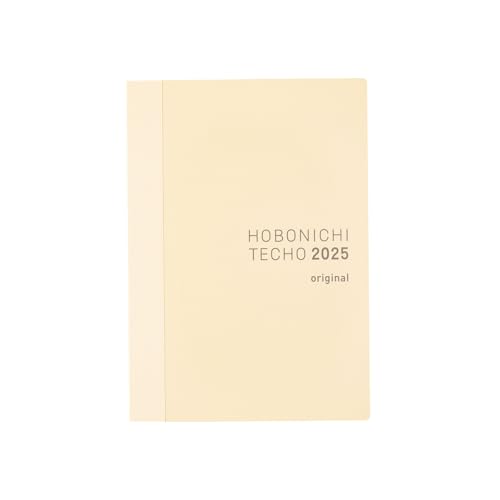
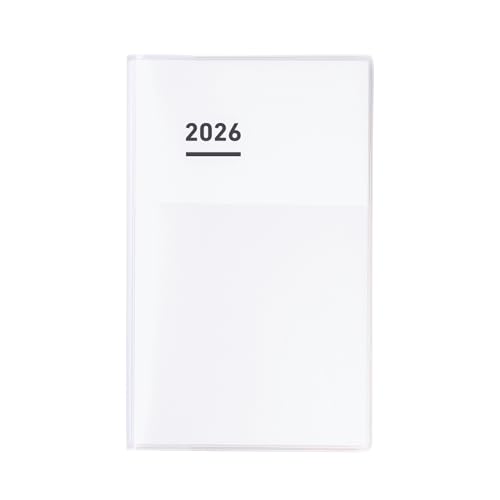
This category focuses on the items that tourists specifically come to Japan to buy — pens, notebooks, and paper goods that either are not sold abroad or are sold at a steep markup. The picks cover the cult essentials (Pilot Frixion, Kakuno, Uni-ball Signo), the legendary notebooks (Kokuyo Campus, Midori Traveler's, Muji), and a few charmingly Japanese novelty items (Mt. Fuji erasers, Sakura Coupy) that double as souvenirs.
What to Look for When Buying
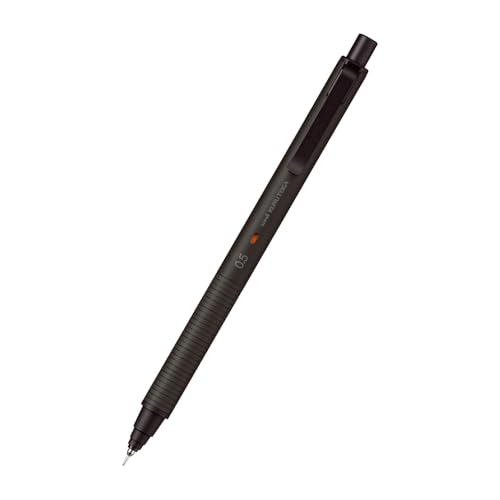
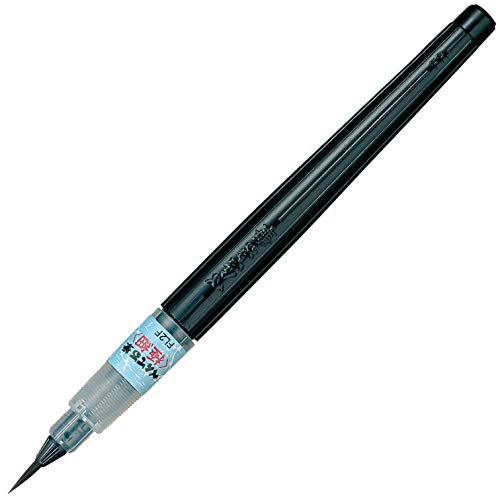
- Pens: start with Frixion, Kakuno, and Sarasa Clip. These three cover 90% of what you actually want. Frixion for erasable bullet journaling, the Pilot Kakuno for your gateway Japanese fountain pen (under ¥1,000 and writes better than most Western pens 3-5x the price), and the Zebra Sarasa Clip for everyday gel writing. Buy all three and you have a complete Japanese pen kit.
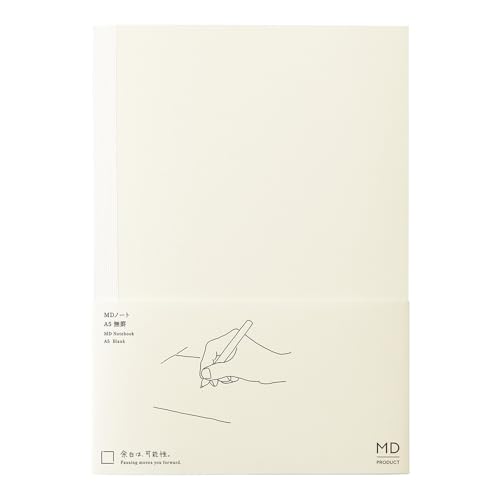
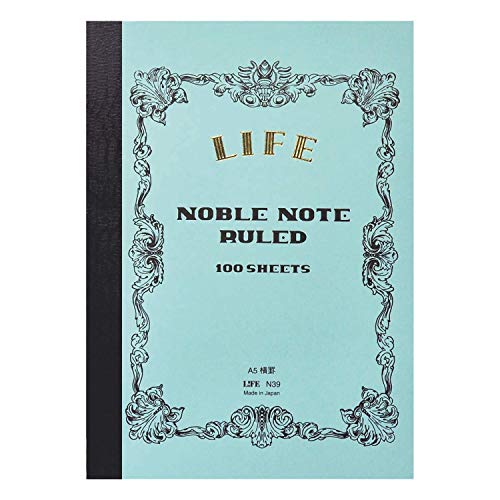
- Notebooks: smooth paper is the difference. Japanese notebook paper is markedly smoother and denser than most Western equivalents. That's why Japanese notebooks are fountain-pen friendly at prices where Western notebooks bleed through. The Kokuyo Campus dot-ruled is the cult default. Muji's recycled paper is the minimalist alternative. Midori's Traveler's Notebook is the premium refillable system. Pick based on whether you want daily office use (Kokuyo), pocket journaling (Muji), or a lifelong collectible (Midori).
- Buy in sets, not singles. Japanese stationery sets are dramatically better value than buying singles. A 10-color Frixion set costs less than buying 10 individual pens at an import shop abroad. A 24-color Coupy pencil set is similarly priced as 6-8 individual pencils elsewhere. The 12-pack Mt. Fuji eraser box is the classic omiyage format — one for every coworker.
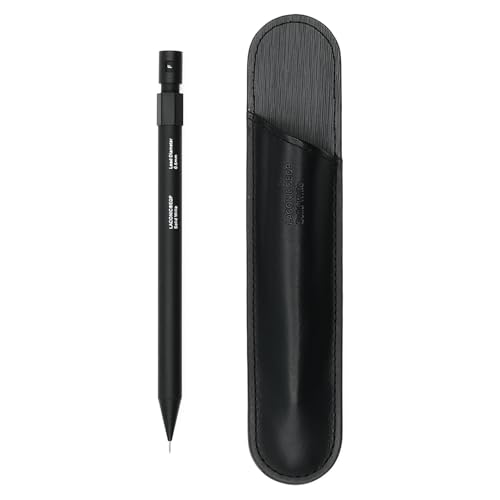
- Check nib/tip size before buying pens. Japanese fountain pen and gel pen tip sizes run smaller than Western conventions. A Japanese 'Fine' (F) is roughly equivalent to a Western 'Extra Fine' (EF). A 0.38mm gel tip (common in Japan) is finer than almost any Western pen. If you're used to Western pens, order one size wider than your usual preference to get the feel you expect, or embrace the Japanese fine-line tradition.
How to Compare Your Options
Pilot Kakuno vs Midori Traveler's Notebook: totally different price tiers and purposes. Kakuno is a ¥900 everyday fountain pen. Midori is a ¥5,000-7,000 leather-bound refillable notebook system that you grow over years. Both are iconic, neither is a substitute for the other.
Kokuyo Campus vs Muji notebook: Kokuyo is the student/office default with dot-ruled paper and a slight premium on paper quality. Muji is the minimalist alternative with kraft covers and a slightly rougher recycled paper. Kokuyo for daily note-taking, Muji for aesthetic.
Frixion vs Uni-ball Signo: Frixion is erasable but the ink fades in heat. Signo is a permanent 0.38mm gel pen. Use Frixion for planning and drafts, Signo for anything you want to keep.
Amazon Japan Hotel Delivery for This Category
Stationery is a perfect Amazon Japan hotel delivery category because it is lightweight, flat-packable, and travels without risk. Order the bulk of your stationery haul 1-2 days before check-in and receive a complete boxed set at your hotel front desk. Skip the Shibuya Tokyu Hands or Ginza Itoya queues — those are amazing stores worth visiting for the experience, but the actual shopping is far more efficient through Amazon Japan.
One note: Midori Traveler's Notebook accessories and Pilot Iroshizuku premium ink bottles are sometimes easier to find in physical stores than on Amazon. If you're buying the base notebook or a pen, Amazon is fine; if you're hunting rare ink colors, plan a visit to Itoya or a dedicated stationery shop in your city.
Frequently Asked Questions
- Are Japanese pens really that much better than American/European pens?
- For precision writing, yes. The 0.38mm and 0.5mm tips Japanese brands produce are smoother and finer than comparable Western pens, and Japanese ink formulations flow more consistently. For casual note-taking, the difference is subtle. For bullet journaling, kanji practice, or anyone who writes small, Japanese pens are genuinely superior.
- Will a Japanese fountain pen work with Western ink cartridges?
- The Pilot Kakuno uses Pilot proprietary cartridges (not international standard), so you need Pilot ink. The CON-40 converter lets you fill it from bottled ink of any brand. Most other Japanese fountain pens use either Pilot or international standard cartridges — check before buying.
- Is the Midori Traveler's Notebook worth the price?
- For most people yes, because it is designed to last decades with refills. The leather ages beautifully, the insert ecosystem lets you grow the system over time, and there is a massive community sharing customization ideas. If you want a 'just a notebook' experience, Kokuyo Campus is fine. If you want a system you will use for years, Midori.
- Can I bring fountain pens on the plane?
- Yes. Fly with fountain pens either completely full or completely empty — partial ink can leak due to pressure changes. Store tip-up in your carry-on. Modern Japanese fountain pens are generally very leak-resistant, but the rule still applies.
- What is a good stationery gift for a non-enthusiast recipient?
- The Pilot Frixion 10-color set or the Sakura Coupy 24-color set. Both are immediately usable, visually striking, and don't require any stationery knowledge to appreciate. The Mt. Fuji eraser 12-pack is also perfect for multi-person gifting at an office.
- Where can I buy the same things in physical stores?
- Tokyu Hands (Shibuya, Ikebukuro), Loft (multiple locations), Itoya (Ginza — the flagship stationery experience), and Sekaido (Shinjuku). All four carry everything in this category plus much more. Amazon Japan delivery is purely a convenience play; the in-person stores are worth visiting for stationery enthusiasts.
The stationery items above are the picks that consistently travel home with tourists. If you're new to Japanese stationery, start with the Frixion, Kakuno, and a Kokuyo Campus notebook — those three alone will convert you.