

Japanese Kitchen & Foodie Souvenirs 2026: Gifts for the Cook and Coffee Lover
Updated July 2026 · 12 min read
Japan Shop Helper Editorial
Tokyo-based · prices & fees verified on real orders
The best souvenir for a person who cooks isn’t a fridge magnet — it’s the tool or the pantry staple they’d never think to buy for themselves but reach for every week once they own it. Japan is full of them, hiding in plain sight on the kitchen floors of LOFT and Hands, along the shop fronts of Kappabashi (Tokyo’s legendary kitchenware street), and in the artisan-condiment corners of every depachika. This guide skips the snack boxes and focuses on the giftable objects and flavors a home cook or coffee obsessive will actually use: a bonito plane, a copper egg pan, single-origin drip bags, a spice blend that’s been made the same way since 1625.
Heads Up
Where the Cooks Actually Shop
Four places cover almost everything here. Kappabashi Dougu-gaiin Tokyo (between Ueno and Asakusa) is nearly a kilometer of restaurant-supply shops selling professional knives, cast iron, copper, and every specialized tool imaginable — touristy at the edges but genuinely where chefs buy. LOFT and Handskitchen floors carry the consumer-friendly version of the same range, reliably tax-free over ¥5,000. Depachikafood halls are where the artisan condiments live: aged soy sauces, single-farm miso, and spice blends from centuries-old makers. And for anything heavy or that you’d rather not carry between cities, Amazon Japan delivers most of the below to your hotel.
The Tools: Objects a Cook Will Keep for Years
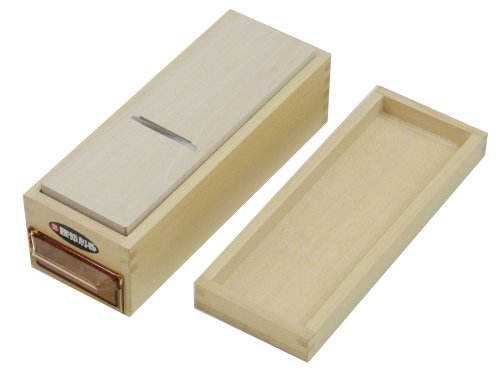
Start with the tools, because they’re what separate a thoughtful gift from a generic one. The most quietly impressive is the katsuobushi kezuriki— a bonito plane. It’s a hinoki (Japanese cypress) box with a plane blade set into the lid; you draw a block of dried, smoked, fermented bonito across it and collect paper-thin shavings in the drawer below. Freshly shaved katsuobushi bears almost no resemblance to the bagged flakes sold abroad — it’s the base of real dashi, and any serious cook who tastes it once wants the tool.
The tamagoyaki panis the second tool worth carrying home. Japanese rolled omelette is cooked in a rectangular pan — the shape is what makes the neat folded layers possible, and there’s no real substitute in a round Western skillet. Aluminum and non-stick versions are light and beginner-friendly; the copper pans that Kappabashi is famous for are heirloom-grade and heavy. Either way it’s a tool that makes the recipient’s breakfast visibly more Japanese.

Just as ubiquitous on Japanese stoves — and just as invisible abroad — is the yukihira nabe, the hammered saucepan with a pouring spout on each side.

For a gift aimed at a beginner or a family, a sushi-making kitwith a bamboo rolling mat (makisu) turns a souvenir into an activity. The mat itself is the essential piece — the same simple bamboo tool used in every Japanese kitchen — and a boxed kit usually adds a rice paddle and mold so a first-timer can actually produce a recognizable maki roll rather than a rice avalanche.

The most underrated tool in the Japanese kitchen might be the oroshigane — the fine-toothed grater behind every mound of fluffy daikon oroshi.

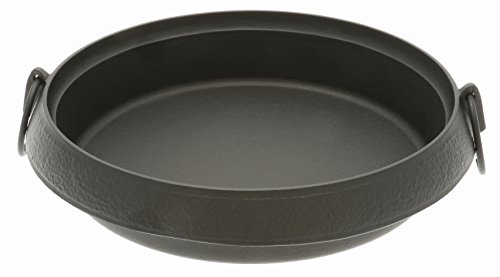
For a heavier, more ceremonial gift, there’s cast iron.
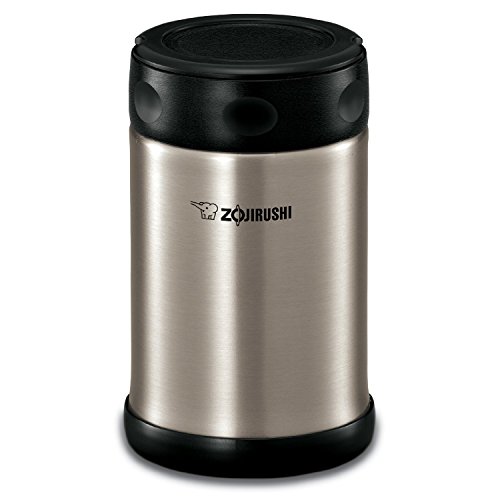
And one tool for after the cooking is done — the jar that anchors the Japanese workday lunch.
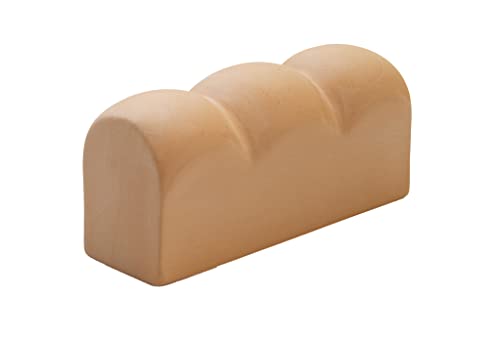
And the smallest, cheapest tool in this section is also the most “only in Japan” of them all: a tiny ceramic bird that makes toast better.
The Pantry: Flavors That Don’t Exist at Home
Condiments are the highest flavor-per-suitcase-gram category in this entire guide, and the two below are the ones that reliably surprise people. Shichimi togarashiis Japan’s seven-spice blend — chili, sansho pepper, citrus peel, sesame, nori, and more. The version from Yagenbori, the Asakusa maker that has been blending it since 1625, is a different thing entirely from the supermarket shaker: fresher, more citrus-forward, and often ground to order in the shop. It elevates everything from udon to roast vegetables.

The second pantry pick is yuzu kosho— a fermented paste of yuzu citrus peel, chili, and salt from Kyushu. It’s bright, hot, and intensely aromatic, and it has quietly become a chef favorite worldwide because a pea-sized dab transforms grilled meat, hot pot, dressings, or even a bowl of pasta. A single small jar outlasts most other souvenirs and turns up in the cooking of anyone you give it to.

Round out the pantry with culinary-grade matcha. Ceremonial matcha is for drinking; the culinary grade is milled slightly coarser and priced for cooking — it’s what turns a home baker’s cookies, lattes, and ice cream the right shade of green with a real, slightly bitter tea flavor rather than the dyed sweetness of Western “matcha” products. It’s the pantry gift for the person who bakes.

Coffee & Tea: Japan’s Quiet Obsession
Japan takes coffee as seriously as tea, and its most exportable coffee format is the single-serve drip bag— a folded paper filter pre-filled with ground coffee that hangs on the rim of any mug. Specialty roasters across the country sell them, and a boxed assortment is the ideal lightweight gift for a coffee drinker: no machine required, just hot water, and each bag is a different roast or region to work through.

On the tea side, the most useful object is a cold-brew tea bottle— a tall glass pitcher with a fine mesh insert made specifically for mizudashi (cold-water steeping), the method that produces the sweet, low-bitterness iced green tea that Japanese households drink all summer. Drop in leaves, add cold water, refrigerate overnight, and pour. It’s the kind of simple, well-made object that a tea drinker uses daily and no one abroad thinks to buy.

For a portable version of the same idea, a tea filter bottleputs the mesh strainer inside a 500ml carry bottle, so loose-leaf tea can be brewed cold on a commute or a hike. It’s a LOFT and Hands staple, cheap enough for a stocking-filler gift, and the design-conscious answer to a plastic tumbler of bagged tea.

And if the recipient deserves the heirloom rather than the everyday, the tea side of this guide ends where Japanese tea gear began: cast iron.

Pro Tip
Bringing Food Souvenirs Home: What’s Allowed
Most of this guide travels without issue. Sealed condiments (shichimi, yuzu kosho), matcha powder, tea, and packaged drip coffee are commercially processed, shelf-stable, and accepted for personal import into the great majority of countries — just declare food where the arrival form asks. The tools (bonito plane, tamagoyaki pan, sushi mat, tea bottles) are ordinary kitchenware with no restrictions at all. The single item that warrants a check is a block of dried bonito (katsuobushi) itself, since some countries limit animal-derived foods; the plane and box, being wood and steel, are always fine. When in doubt, favor sealed plant-based items, keep receipts, and declare rather than risk a fine.
Heads Up
Quick Comparison: The Foodie Souvenir Buys
| Product | Type | Price Range | Best For |
|---|---|---|---|
| Katsuobushi plane (hinoki) | Kitchen tool | ¥3,000–¥5,000 | Serious cooks; the statement tool |
| Tamagoyaki pan | Kitchen tool | ¥2,000–¥3,000 | First real Japanese-cooking gift |
| Bamboo sushi kit | Kitchen tool | ¥2,000–¥3,500 | Families; a gift that’s an activity |
| Yagenbori shichimi | Condiment | ¥500–¥1,000 | Best sub-¥1,000 gift |
| Yuzu kosho paste | Condiment | ¥400–¥800 | Chefs; the fridge-staple gift |
| Uji culinary matcha | Pantry | ¥1,000–¥2,000 | Home bakers |
| Specialty drip coffee bags | Coffee | ¥1,500–¥3,000 | Coffee lovers; no equipment |
| Cold-brew tea pitcher (1L) | Tea gear | ¥1,000–¥2,000 | Daily-use tea gift |
| Tea filter bottle (500ml) | Tea gear | ¥1,500–¥2,500 | On-the-go tea; stocking filler |
Foodie Souvenir Shopping Checklist
Frequently Asked Questions
Can I bring Japanese condiments and matcha through customs?
Sealed, commercially packaged, plant-based items — shichimi, yuzu kosho, matcha, tea, and packaged drip coffee — are accepted for personal import into most countries; just declare food where the customs form asks. Rules tighten around meat, fish, and fresh produce, so the one item to verify is dried bonito (katsuobushi). When unsure, choose the sealed plant-based option and declare it.
What is Kappabashi and is it worth visiting?
Kappabashi Dougu-gai is Tokyo’s kitchenware district, a long street of restaurant-supply shops between Ueno and Asakusa selling knives, cast iron, copper, ceramics, and the famous plastic food samples. It’s where professional chefs shop, and it’s worth a half-day for anyone serious about cooking — though LOFT and Hands carry consumer-friendly versions of most of the same tools if you’re short on time.
Is culinary matcha different from the matcha I’d drink?
Yes. Ceremonial matcha is the finest, sweetest grade meant to be whisked and drunk on its own; culinary grade is milled a touch coarser, slightly more bitter, and priced for cooking, which is exactly what you want for lattes, cookies, and ice cream where the flavor competes with sugar and milk. Buy ceremonial for drinking, culinary for baking.
Do I need any equipment to use Japanese drip coffee bags?
No — that’s the appeal. Each bag is a self-contained paper filter that unfolds and hooks onto the rim of any mug; you pour hot water through it and discard it after one cup. No machine, grinder, or dripper required, which makes a boxed assortment an ideal gift for someone whose coffee setup you don’t know.
Are these cheaper in Japan than through an importer abroad?
Substantially, in most cases — artisan condiments and specialty tools carry heavy import markups once they reach Western specialty grocers, often two to three times the Japanese shelf price. Buying in Japan or via Amazon Japan gets you home-market pricing, and tax-free shopping over ¥5,000 saves a further 10%.
For the design objects and crafts that pair with these kitchen gifts, see our design-forward Japanese souvenirs guide; for the fuller souvenir picture including snacks and character goods, our best souvenirs from Japan guide covers every category, and our teaware & matcha sets guide goes deeper on the tea side.
Disclosure
This article contains affiliate links. We may earn a commission when you buy through them, at no extra cost to you. Every pick is an honest recommendation.
Planning to buy from Japan?