

Design-Forward Japanese Souvenirs 2026: Tasteful Gifts from Select Shops, LOFT & Tokyu Hands
Updated July 2026 · 12 min read
Japan Shop Helper Editorial
Tokyo-based · prices & fees verified on real orders
The default Japan souvenir haul is predictable: a box of KitKats, a character keychain, a T-shirt with a kanji nobody translates before buying. There’s nothing wrong with any of it — but none of it says anything about Japan’s quieter great export, a design culture that treats a teapot, a wind chime, or a single chopstick rest as an object worth getting exactly right. This guide skips the snack aisle and the character wall for the shelf one floor up: the craft and design objects sold at Japanese select shops, LOFT, Tokyu Hands (rebranded simply “Hands” in 2022), department-store craft corners, and museum shops. These are the pieces you buy for a host worth impressing, a design-minded friend, or the trip you’ll actually want to remember — the grown-up alternative to another keychain.
Heads Up
Where to Actually Find Design-Led Souvenirs
Design-forward souvenirs cluster in a handful of predictable places. LOFT and Hands are the mass-market anchors — multi-floor lifestyle department stores in every major city, with entire floors devoted to Japanese-made housewares and craft-adjacent gifts at accessible prices, and both are reliably tax-free for visitors who spend over ¥5,000 (before tax, per store) in one transaction.
One tier up sit the select shops — curated retailers that edit Japanese craft down to what a design-conscious shopper would actually want. Nakagawa Masashichi Shoten specializes in updated traditional craft; Cibone and Claska lean further into design-object territory, the kind of shop that stocks a single maker’s teapot because it is simply the best-designed one in the category. Depachika craft floors — the upper, non-food floors of department stores like Isetan and Takashimaya — round things out with regional craft counters staffed by people who can explain a piece’s maker and region. For anything heavy or fragile, Amazon Japan carries most items below at comparable prices with the added convenience of hotel delivery.
Tea & Tabletop
Tabletop objects are the natural starting point, because Japanese design culture takes the ritual of tea and food more seriously than almost any other domestic activity. A well-chosen teapot or cup reads as considered rather than generic, and most of these pieces double as small sculpture when not in use.
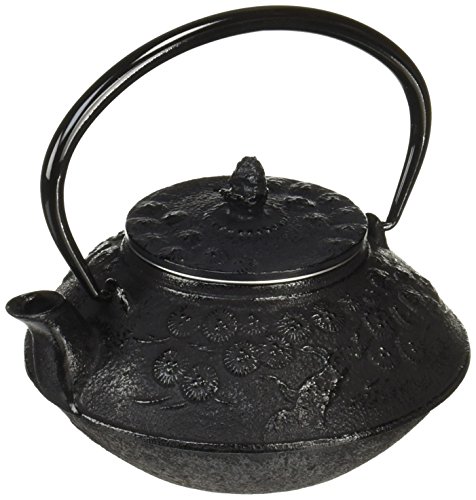
Nanbu ironware (nanbu tekki) is Iwate Prefecture’s signature craft, cast in and around Morioka since the 17th century using sand-mold techniques passed down through generations of foundries. A cast-iron tetsubin teapot is the category’s flagship object: the textured, often dimpled surface is a byproduct of traditional casting, not decoration, and the iron is credited with rounding out the taste of the water it boils. Iwachu, the best-known Nanbu foundry, exports internationally, making it an easy name to recognize on a shelf.
Toyama Prefecture’s Nousaku takes a different material down a similarly considered path: 100% pure tin, cast and finished by hand into tableware so soft it can be bent into a shallow dish and bent back. The brand’s Kuzushi ori (“folded crease”) line of sake cups has become one of Japan’s most recognizable modern craft exports precisely because it looks nothing like the stereotypical “traditional” souvenir — matte, geometric, and clearly contemporary.

For a gift aimed at daily use, KINTO’s Travel Tumbler line is the modern design-brand answer to the vacuum flask: double-walled stainless steel with a leakproof screw lid and a silhouette restrained enough for a design shelf rather than a gym bag. KINTO has become the go-to brand for overseas visitors because it sits at the intersection of genuinely useful and genuinely well-designed — no cartoon mascots, no plastic sheen.

Chopsticks round out the tabletop category, and the design tier is a considered his-and- hers set rather than the disposable pair from a bento box — one slightly longer, thicker pair and one shorter, more slender pair, lacquered or wood-grain finished and presented in a gift box that reads immediately as a wedding or housewarming gift.

If the recipient warrants a step up from the boxed starter set, lacquered chopsticks are where the category gets genuinely deep — and two gift-grade options stand out.

For an occasion gift with built-in symbolism, there’s the crane-and-turtle set.

Pair chopsticks with ceramic chopstick rests (hashioki) and the gift becomes a small tabletop system rather than a single object — miniature ceramic sculptures shaped as seasonal motifs (a maple leaf, a rabbit, a folded fan) that most Japanese households own a drawer full of and few overseas visitors have ever seen.

Home & Decor
The second tier of design-forward souvenirs skips the table and heads for the wall, the doorway, or the shelf — objects more explicitly “Japanese craft” in character, suited to someone who wants their home to visibly reference the trip.
Edo furin — hand-blown glass wind chimes, a craft associated with Tokyo’s old Edo-period glassmaking districts — are summer’s signature sound in Japan, hung outside windows and painted on the inside with a motif visible from outside the glass. The thin, deliberately irregular rim produces the distinctive high, clear ring; mass- produced imitations with a perfectly smooth edge sound noticeably duller.

Kokeshi are simple, limbless wooden dolls with a round head and cylindrical body, traditionally hand-turned on a lathe and hand-painted in the Tohoku region, where the craft began as a souvenir for onsen visitors more than a century ago. Contemporary kokeshi range from strictly traditional patterns to playful modern reinterpretations, but even an inexpensive one is a genuine lathe-turned wooden craft rather than a mass-molded character good.

A noren is the fabric divider hung in doorways of shops, restaurants, and traditional homes — dyed cotton or hemp, slit vertically so it can be pushed through, often bearing a single bold motif. As a souvenir it works as an actual doorway curtain or a wall hanging, and it folds completely flat, making it one of the few large-format design objects that costs nothing extra in suitcase space.

Everyday-Carry
The last tier is the smallest and cheapest, aimed at gifts a recipient simply carries or uses without needing an explanation — the best options for a large gift list, an office, or anyone whose luggage allowance is already spoken for.
Ukiyo-e — the woodblock-print art of Hokusai, Hiroshige, and their contemporaries — is Japan’s most internationally recognized visual art form, and a postcard set is the cheapest, flattest way to bring a piece of it home. Museum shops attached to major art institutions sell the widest curated selections, while LOFT and Hands stock general-interest sets year-round.
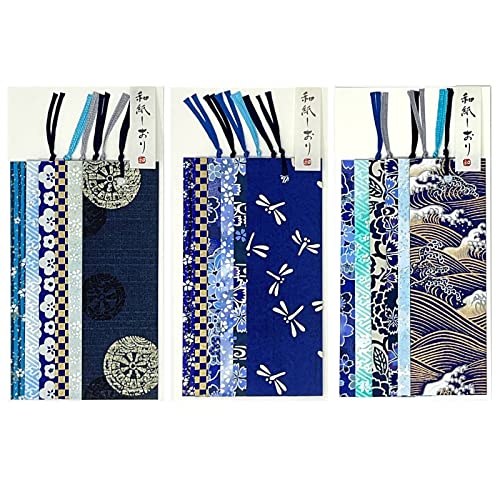
Washi — traditional Japanese paper — supplies the second flat-format option, in an even more giftable form.
The next everyday-carry pick isn’t strictly a design object, but no small Japanese gift is more personal.

Japanese leather goods rarely get the attention that ceramics or textiles do, but small accessories — coin purses in particular — are a quietly strong category, made with attention to stitching and hardware finish that outlasts far pricier Western equivalents, and built for daily use rather than occasional display.

Pro Tip
Fragile Items: What Needs Careful Packing
Three categories genuinely need thought before they go in a suitcase. The cast-iron teapot is heavy, and the spout and lid knob are the most breakable points — wrap the body in clothing, pack the lid separately, and center it in a checked bag rather than against the shell. The Edo glass wind chime is by far the most delicate object here: hand-blown glass with a deliberately thin rim, best wrapped in its original box or several layers of clothing inside a hard-sided section of checked luggage. Ceramic hashioki and kokeshi dolls are sturdier but still breakable — wrap each piece individually rather than letting them knock together in a shared pouch. The Nousaku tin cup, by contrast, shrugs off a fall, and the tumbler, chopsticks, noren, postcards, and coin purse survive travel with no special handling at all.
Heads Up
How Tax-Free Shopping Works at LOFT and Hands
Both LOFT and Hands participate in Japan’s consumption-tax exemption scheme for overseas visitors: spend over ¥5,000 (before tax) on general goods in a single transaction at one store on one day, show your passport at the register or a dedicated tax-free counter, and the 10% consumption tax is deducted on the spot. Combining several smaller design-object purchases into one till run is the easiest way to clear that threshold. Items bought this way are meant to leave Japan within 30 days and are sometimes sealed in a tamper-evident bag until departure — factor that in before buying anything you plan to use mid-trip. Select shops and depachika counters may not offer the same tax-free desk depending on store size, so ask before assuming.
Quick Comparison: The Core Design Souvenir Buys
| Product | Craft / Region | Price Range | Best For |
|---|---|---|---|
| Nanbu ironware tetsubin | Cast iron, Iwate | ¥6,000–¥12,000 | Tea drinkers; the guide’s statement gift |
| Nousaku tin sake cup | 100% tin, Toyama | ¥3,500–¥5,000 | Design-literate hosts |
| Edo glass wind chime | Hand-blown glass, Tokyo | ¥1,200–¥2,500 | Evocative wall / window decor |
| Kokeshi doll | Lathe-turned wood, Tohoku | ¥1,500–¥3,000 | Shelf-friendly folk craft |
| Noren curtain | Dyed cotton textile | ¥2,000–¥3,500 | Flat-packing wall or doorway decor |
| KINTO Travel Tumbler | Modern Japanese product design | ¥4,000–¥6,000 | Daily-use practical gift |
| Couple chopsticks set | Made-in-Japan lacquer / wood | ¥2,000–¥3,500 | Weddings, housewarmings |
| Ceramic hashioki set | Miniature ceramic sculpture | ¥800–¥1,500 | Cheapest true design object |
| Ukiyo-e postcard set | Woodblock-print reproduction art | ¥500–¥1,000 | Bulk gift-list filler |
| Leather coin purse | Japanese leather goods | ¥800–¥1,500 | Small daily-carry gift |
Design Souvenir Shopping Checklist
Frequently Asked Questions
What’s the actual difference between LOFT, Hands, and a select shop?
LOFT and Hands (formerly Tokyu Hands) are large lifestyle department stores with broad, accessible stock and reliable tax-free counters — the easiest starting point in any city. Select shops like Nakagawa Masashichi Shoten, Cibone, and Claska are smaller and more curated, often carrying a single maker’s full range at a slightly higher price for a tighter, more design-forward edit.
Can a cast-iron teapot or glass wind chime go through airport security?
Yes, both are solid objects with no liquid restrictions in carry-on or checked luggage. The consideration is breakage, not security rules — the wind chime especially should be wrapped carefully and placed in checked luggage rather than a carry-on that might get compressed in an overhead bin.
Is it cheaper to buy these at a select shop or on Amazon Japan?
Prices are usually close, since Japanese craft brands tend to fix retail pricing across channels. Amazon Japan’s advantage is logistics, not price — it saves carrying a fragile or heavy item between cities, and hotel or forwarding-address delivery means you can order early and have it waiting.
Are these good gifts for someone who doesn’t know much about Japanese craft?
They work well precisely because they don’t require prior knowledge — a well-made teapot, tumbler, or wind chime reads as a considered object on sight. Adding a short note on the maker or region (Nanbu ironware from Iwate, Nousaku tin from Toyama) gives the recipient the story without requiring them to have known it beforehand.
How does the ¥5,000 tax-free minimum work if I’m buying several smaller items?
The threshold applies per store, per day, on general goods, and can be reached by combining multiple items in a single transaction — it doesn’t need to be one expensive object. Doing all your LOFT or Hands browsing in one visit and checking out together is the simplest way to clear it.
What if I want more mainstream souvenirs alongside these design picks?
Nothing here excludes the classics — snacks, character goods, and the rest still make excellent bulk gifts. Treat the objects in this guide as the two or three higher-consideration pieces in an otherwise varied haul rather than a replacement for it.
For the fuller souvenir landscape, including where design objects rank against snacks, stationery, and character goods, see our best souvenirs from Japan guide. If tabletop craft is the direction you want to go deeper on, our Japanese teaware & matcha sets guide and our Japanese ceramics & tableware guide cover the categories this piece only touches on.
Disclosure
This article contains affiliate links. We may earn a commission when you buy through them, at no extra cost to you. Every pick is an honest recommendation.
Planning to buy from Japan?