
20 Japanese Souvenirs That Aren't Boring Keychains
Updated April 2026 · 15 min read
Japan Shop Helper Editorial
Tokyo-based · prices & fees verified on real orders

If you bring back another fridge magnet, your friends will politely smile and throw it away. Same goes for those generic “I heart Tokyo” t-shirts and plastic samurai swords.
Here's what people actually want. Stuff they'll use, eat, or display — not stuff that ends up in a drawer. I've given every single one of these as a gift and gotten genuine excitement back.
For the Foodie
1. Japanese KitKat Variety Box
Yes, everyone recommends these. Because they're actually great gifts.
Japan has 300+ KitKat flavors. Matcha, strawberry cheesecake, sake, sweet potato, wasabi (yes, wasabi). The variety boxes at Don Quijote run about ¥1,500-2,500 and come in gorgeous packaging.
Here's the thing: Get the region-exclusive ones. Tokyo Banana KitKat, Hokkaido Melon KitKat, Kyoto Matcha KitKat. They can only be bought in those cities, which makes them actually special.

2. Good Matcha Powder
Not the stuff from Amazon US. Actual Japanese matcha from Uji or Nishio.
¥2,500-3,500 gets you ceremonial grade matcha that would cost $40+ back home. The color should be vivid green, almost neon. If it's yellowish or dull, it's old or low grade.
Grab this if you know someone who actually makes matcha lattes at home. They'll lose it.

3. Rice Crackers (Senbei)
Not the sad, stale ones from the Asian grocery store.
Fresh senbei from a proper Japanese shop is a completely different food. Crunchy, savory, brushed with soy sauce and wrapped in nori. About ¥1,000 for a nice gift box at any depachika (department store basement food hall).

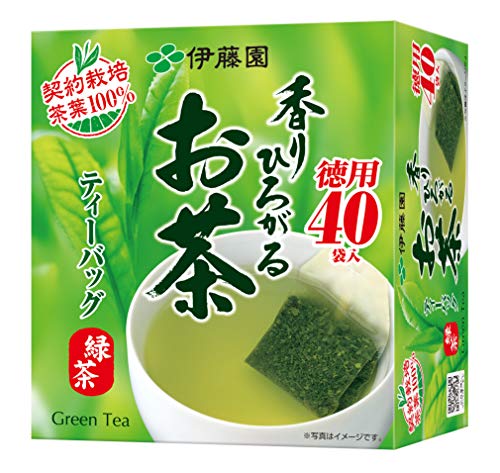
4. Japanese Green Tea
Forget the teabag stuff at the supermarket. Get loose leaf from a tea shop.
Ippodo in Kyoto and Tokyo is the classic pick. But honestly, even the mid-range green tea bags from Japanese grocery stores are better than what you'd find abroad. About ¥400-600 for a box that makes 50+ cups.
5. Royce Chocolate
Hokkaido's gift to the chocolate world. The Nama (raw) chocolate melts on your tongue in a way that Godiva wishes it could.
About ¥800-1,500 per box. Catch: it needs refrigeration. Buy it on your last day and keep it cold. Or just eat it all at the airport. No judgment.

Pro Tip
For the Home Cook


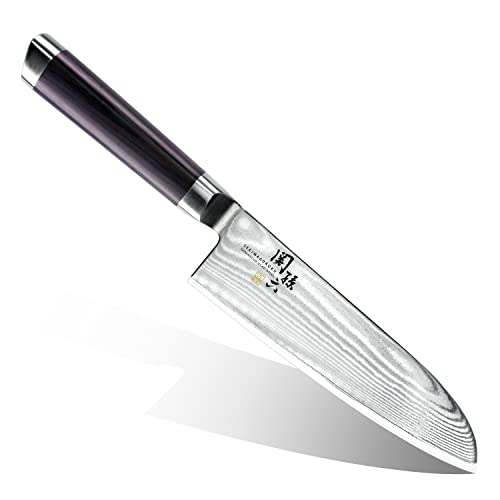
6. A Japanese Kitchen Knife
This is THE souvenir. The one people talk about for years.
A proper Japanese santoku or gyuto knife from Kappabashi (Tokyo's kitchen street) runs ¥7,000-15,000. That's half what you'd pay for a comparable blade from a Western brand. The steel is harder, the edge is sharper, and it holds that edge longer.
Real talk:Don't buy the cheapest one. The ¥3,000 tourist knives at souvenir shops are garbage. Spend ¥7,000+ at a proper knife shop and get something that lasts 20 years.
Heads Up
7. Lacquered Chopsticks
Not the disposable kind. Real, lacquered, handmade chopsticks.
¥2,500-4,000 for a set in a gift box. Wajima-nuri (from Ishikawa) or Tsugaru-nuri (from Aomori) are the premium styles. They come in gorgeous patterns and feel completely different from the cheap bamboo ones.

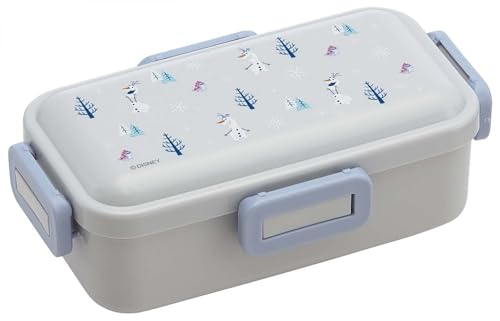
8. Bento Box
Japanese bento boxes are engineered. Leak-proof, perfectly portioned, sometimes insulated.
About ¥1,500-2,000 for a good one at Tokyu Hands or Loft. The designs range from minimalist (matte black) to adorable (Totoro face). Great for anyone who meal-preps.
9. Japanese Curry Roux
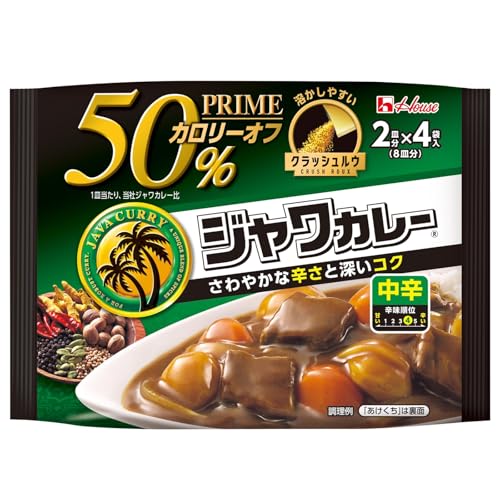
Hear me out. Japanese curry at home in 20 minutes.
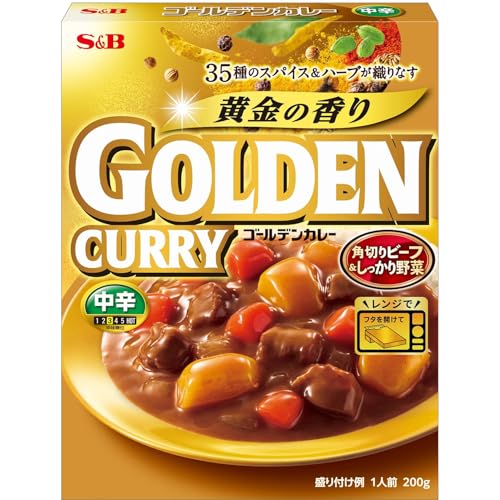
Vermont Curry, Java Curry, Golden Curry — these little boxes of curry roux cost about ¥200-400 each and make 8 servings. Just add meat, potatoes, carrots, and water. The premium “Za Curry” line from S&B is even better. Buy 10 boxes. They weigh nothing and last forever.
For the Culture Nerd
10. Furoshiki (Wrapping Cloth)
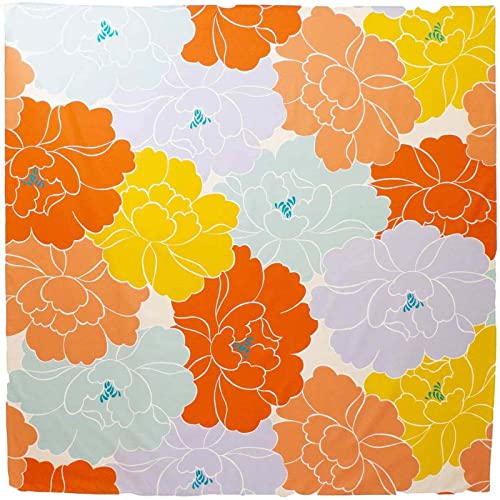
A square of beautiful fabric that replaces gift wrap, shopping bags, bottle carriers, and scarves. All at once.
¥1,500-3,500 depending on the fabric. There are YouTube tutorials showing 30+ ways to wrap things with furoshiki. It's one of those gifts that looks way more expensive than it is.
11. Tenugui (Cotton Towel)
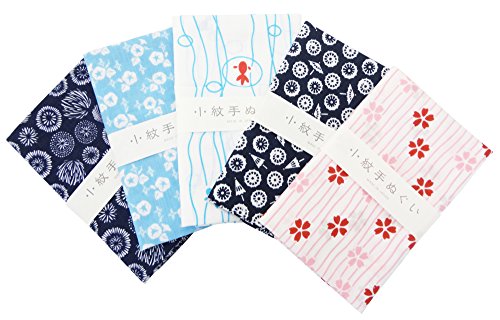
Thin cotton towels with gorgeous printed designs. Use them as hand towels, wall art, headbands, gift wrap, or book covers.
About ¥1,000-1,500 each. They dry incredibly fast and get softer with every wash. The designs range from traditional (waves, cherry blossoms) to modern (cats, ramen, Godzilla).
12. Sensu (Folding Fan)
Not the plastic ones from the 100-yen shop. A proper bamboo-and-silk sensu.
¥3,000-6,000 for a quality one. They're functional (Japanese summers are brutal) and beautiful enough to display. Kyoto is the traditional center for fan-making — the shops around Gion have incredible selections.

13. Daruma Doll
Those round, red, one-eyed dolls. You paint one eye when you set a goal, and the second eye when you achieve it.
About ¥1,500-2,000. Perfect for anyone setting a big goal — new job, running a marathon, learning a language. It's a meaningful gift that actually sits on a desk, not in a drawer.

14. Japanese Incense
Japanese incense is nothing like the heavy, headache-inducing stuff from American hippie stores.
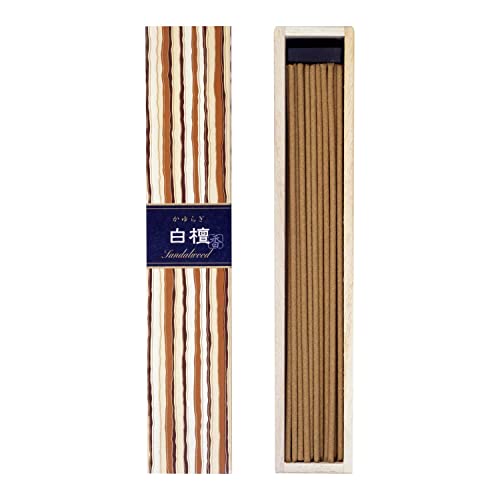
It's subtle. Clean. Almost like a whisper of scent. Brands like Nippon Kodo and Shoyeido have been making incense for centuries. About ¥700-1,200 for a gift box. Sandalwood and hinoki (Japanese cypress) are the crowd favorites.

For Anime / Character Fans
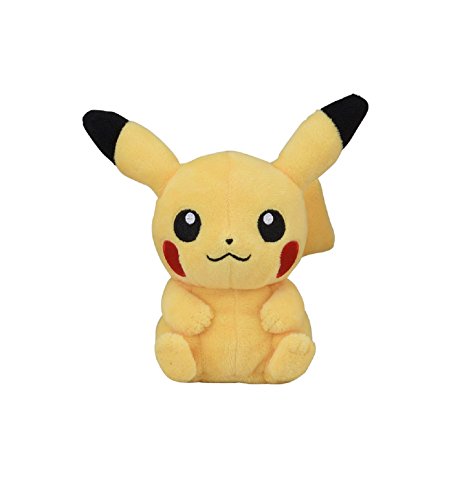
15. Pokemon Plush (Sitting Cuties Line)
The Pokemon Center stores in Japan are an experience. And the “Sitting Cuties” (Pokemofu) plush line is absurdly cute.
About ¥1,000-2,000 each. Small enough to fit in your bag, quality is noticeably better than the export versions. The Pokemon Center in Shibuya Parco and the Mega Center in Ikebukuro have the widest selection.
16. Anime Figures (Banpresto / Ichiban Kuji)
Japan-exclusive figures at fraction of import prices.
Banpresto prize figures run ¥1,500-3,000 at stores like Mandarake or Nakano Broadway. The quality on recent releases is honestly shocking for the price. Dragon Ball, One Piece, Demon Slayer, Jujutsu Kaisen — all represented.
Insider move: Check Book Off and Hard Off for discounted figures. They sell opened-box prizes for 30-50% off retail.

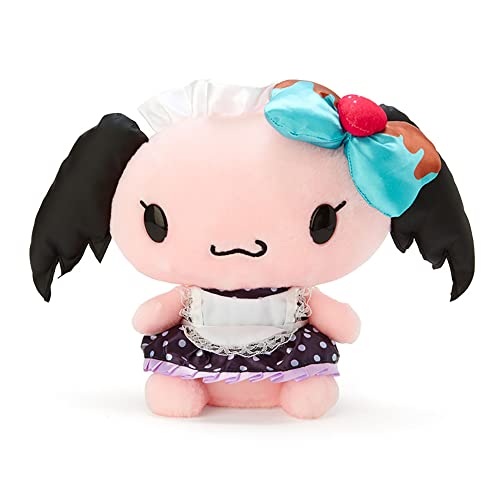
17. Sanrio Character Goods
Hello Kitty, Cinnamoroll, My Melody — Sanrio's character goods in Japan are on another level.
The Sanrio stores have Japan-exclusive items constantly rotating. Stationery, pouches, keychains (okay, some keychains are good), and plushies. Cinnamoroll has been the #1 character in Sanrio's popularity poll for 3 years running.
Budget Picks Under ¥1,000
Not everything needs to be fancy. Some of the best souvenirs cost almost nothing.
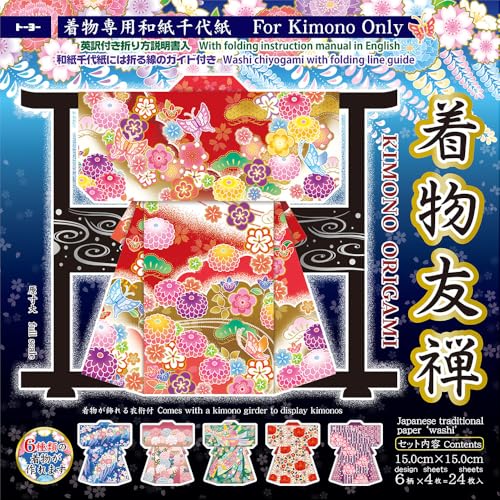
18. Origami Paper Sets
¥300-800 at any Daiso or stationery shop. Japanese origami paper has patterns and textures you won't find anywhere else — washi (traditional handmade paper), chiyogami (patterned), metallic, tie-dye. Great for kids and adults who need a screen break.
19. Konbini Snack Haul
Raid a 7-Eleven. That's it. That's the souvenir.
Grab unique flavors of chips (consomme, seaweed salt, plum), weird KitKats, Japanese gummy candies (Puré gummies are incredible), and a few cans of Japanese coffee. Total cost: ¥500-1,000 for a bag full of gifts.
Split them into small bags with a mix of sweet and savory. Instant personalized gift for 5-6 people at ¥200 each.
20. Maneki Neko (Lucky Cat)
The waving cat. You see them in every Japanese restaurant worldwide. The real ones from Japan are just... nicer.
Small ceramic maneki neko cost ¥500-1,500 at souvenir shops and Daiso. Left paw raised = customers. Right paw raised = money. Both paws raised = greedy (kidding — it means both).

Pro Tip
Where to Buy: Airport vs. City vs. Amazon
Buy in the city: Knives, chopsticks, ceramics, anime goods, character merchandise. The selection is 10x better and prices are lower. Kappabashi, Nakano Broadway, and Akihabara for specialty items.
Buy at the airport: Food souvenirs you forgot to grab. Tokyo Banana, Shiroi Koibito, regional KitKats. Airport prices on packaged snacks are actually pretty fair. Everything else is marked up 20-30%.
Buy on Amazon Japan:Anything heavy or fragile that you don't want to carry around for 2 weeks. Ship it to your hotel on the last day. Iron teapots, sake sets, bulk snacks. Amazon.co.jp ships domestically in 1-2 days.
Heads Up
Pro Tip
Frequently Asked Questions
Where should I buy souvenirs in Japan — the city, the airport, or Amazon?
Buy knives, chopsticks, ceramics, and anime goods in the city, where the selection is 10x better and prices are lower. Use the airport for food souvenirs you forgot to grab, like Tokyo Banana, Shiroi Koibito, and regional KitKats. Buy anything heavy or fragile, such as iron teapots or sake sets, on Amazon.co.jp, which ships domestically in 1-2 days so you can send it to your hotel on the last day.
How does tax-free shopping work in Japan?
Tax-free shopping kicks in at ¥5,000 spent at a single store, so it helps to save your souvenir shopping for one or two big trips to hit the threshold. Stores like Matsukiyo, Don Quijote, Bic Camera, and department stores all offer it. Bring your passport — they staple the receipt to a page.
Can I bring a Japanese kitchen knife home on the plane?
Yes, but pack the knife in your checked luggage, never your carry-on. People regularly post on r/JapanTravel about getting a new knife confiscated at security, so keeping it out of your cabin bag avoids that expensive mistake.
How much does a Japanese KitKat variety box cost?
The variety boxes at Don Quijote run about ¥1,500-2,500 and come in gorgeous packaging. Japan has 300+ KitKat flavors, including matcha, strawberry cheesecake, sake, sweet potato, and even wasabi. For something more special, look for region-exclusive versions like Tokyo Banana, Hokkaido Melon, and Kyoto Matcha KitKat, which can only be bought in those cities.
What are the best cheap Japanese souvenirs under ¥1,000?
Origami paper sets run ¥300-800 at any Daiso or stationery shop and come in patterns you won't find anywhere else. A konbini snack haul from a 7-Eleven costs ¥500-1,000 for a bag full of unique chips, KitKats, and gummies you can split into personalized gifts. Small ceramic maneki neko lucky cats cost ¥500-1,500 at souvenir shops and Daiso.
Disclosure
This article contains affiliate links. We may earn a commission when you buy through them, at no extra cost to you. Every pick is an honest recommendation.
Find unique Japanese items