

Best Japanese Ceramics & Tableware to Bring Home (2026 Buyer’s Guide)
Updated July 2026 · 11 min read
Japan Shop Helper Editorial
Tokyo-based · prices & fees verified on real orders
Of everything you can carry out of Japan, ceramics age the best. The snacks get eaten, the gadgets get replaced, but a hand-painted Kutani cup or a donabe clay pot becomes part of someone’s daily routine for a decade — and reminds them of the trip every single morning. This guide covers the pieces most worth buying in 2026: which pottery traditions to know by name, how to judge quality in thirty seconds, which pieces work as gifts versus daily-use tableware, and how to get fragile boxes home in one piece.
Heads Up
Why Ceramics Are the Souvenir You’ll Still Use in Ten Years
Japanese tableware occupies a strange, wonderful price niche. In most countries, hand-finished ceramics are gallery goods; in Japan, they are ordinary household items. A centuries-old regional kiln tradition, a dense population of working potters, and a food culture that plates every meal across half a dozen small vessels mean that genuinely well-made pieces sell for the price of a casual lunch out. The result: ¥2,000–¥5,000 buys work that would cost three times as much at a Western design store — when you can find it at all.
There is also a practical case. Ceramics are compact, they pack flat-ish, they have no customs issues, no batteries, no voltage problem, and no expiry date. A pair of yunomi tea cups takes less suitcase space than a box of cookies and lands with far more impact. If you are building a gift list, this category and the classics in our best souvenirs from Japan guide will cover nearly everyone on it.
A Short Field Guide to Japanese Pottery Traditions
Japan has dozens of named regional wares, each tied to a kiln town and a look. You don’t need to memorize them, but five names cover most of what you’ll actually see on shelves:
- Kutani (Ishikawa)— the maximalist. Porcelain painted in bold overglaze colors, classically a five-color palette of red, yellow, green, purple, and deep blue, often with gold. Instantly recognizable, unapologetically decorative.
- Arita / Imari (Saga)— the birthplace of Japanese porcelain in the early 1600s. Fine white bodies with cobalt blue underglaze; the “classic Japanese china” look.
- Mino (Gifu)— the volume champion, producing a huge share of Japan’s everyday tableware. Covers styles from rustic Shino glazes to modern café ware; excellent value.
- Hasami (Nagasaki)— the modern minimalist. Clean shapes, matte glazes, stackable forms — the ware you see in stylish Tokyo select shops.
- Mashiko (Tochigi) and Bizen (Okayama)— the rustic end: thick folk-pottery glazes in Mashiko, unglazed wood-fired stoneware in Bizen. Earthy, tactile, one-of-a-kind surfaces.
The useful takeaway for a shopper: the tradition name tells you the aesthetic. Bold and giftable? Kutani. Quietly refined? Arita or Hasami. Warm and handmade-looking? Mashiko. Once you can read those signals, a crowded tableware shelf sorts itself in seconds.
Kutani-ware: The Bold One Worth Carrying Home
If you bring back one recognizably Japanese ceramic, make it Kutani. The saturated overglaze painting photographs beautifully, reads as unmistakably Japanese to people who have never been, and — crucially for gifting — needs no explanation. A Kutani cup on a desk is a small painting you drink from.
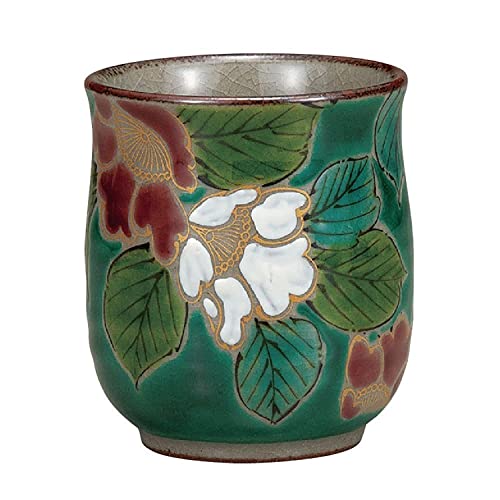
For the table rather than the tea tray, small plates are the smarter Kutani buy. Japanese meals are built around kozara — palm-sized plates for pickles, soy sauce, sweets, or a single perfect slice of something — and a set of five in different patterns is how Japanese households actually use them. They are also far easier to pack than one large platter of the same value.

Pro Tip
The Everyday Workhorses: Handmade Mugs and Yunomi Pairs
Decorative pieces get admired; mugs get used. A handmade Japanese ceramic mug is the quiet overachiever of this category — the slightly irregular glaze and visible throwing marks that would be “flaws” in factory ware are exactly what makes it feel alive in the hand. It is also the safest possible gift: everyone drinks something hot every day.
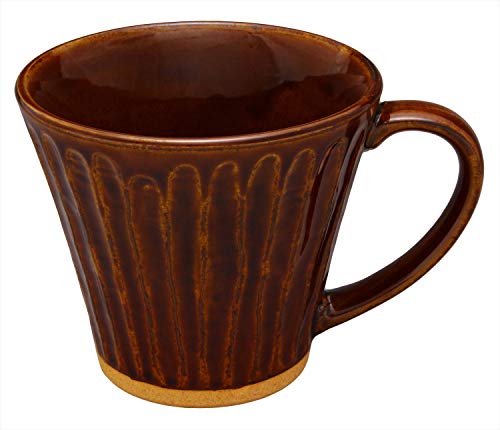
The traditional counterpart is the yunomi — the tall, handle-less cup for everyday green tea. Yunomi are classically sold in pairs (meoto yunomi, a slightly larger and slightly smaller cup) which makes them the default Japanese gift for couples: weddings, anniversaries, new homes, retiring parents. If the recipient drinks tea at all, a yunomi pair is hard to beat — and if they’re serious about tea, pair the cups with something from our Japanese teaware and matcha sets guide.
Expect to spend ¥2,000–¥4,000 on a boxed yunomi pair set — the boxed presentation matters here, since these are gifts by design. The handle-less cups nest compactly for packing and, unlike display ceramics, earn daily use from the first morning.
Sake Cups: The Small Set That Solves Gift Lists
Sake cups (ochoko) are the most concentrated form of Japanese ceramic craft: each one is a few centimeters of glaze experimentation, and a mixed set of five gives the recipient a different cup for every mood. They also solve a real problem — the friend who “has everything” almost never has proper sake cups, and the set doubles perfectly well for espresso, tea tastings, or sauces on the dinner table.

A small serving note that makes the gift land better: in casual Japanese drinking culture, you pour for others and they pour for you — the small cup size exists to keep that exchange going. Write that on the gift card and you’ve given a ritual, not just ceramics.
The Donabe: Ceramics You Actually Cook In
The donabe — Japan’s traditional clay pot — is where tableware crosses into cookware. It goes over an open flame, holds heat like nothing metal, and comes to the table as the serving vessel: one-pot nabe hot pots in winter, clay-pot rice with a crackly bottom layer, steamed dishes year-round. For anyone who cooks, it is the most transformative single piece in this guide.

Pro Tip
One Glass Exception: The Mt Fuji Tumbler
This guide is about ceramics, but one glass piece has earned its place on the same shelf. The Mt Fuji tumbler hides the mountain in its base — pour in whisky, beer, or iced tea and the liquid’s color becomes the mountain’s color, snowcap and all. It is the rare novelty design that is genuinely well executed, and it has become one of the most-requested Japan gifts for a reason.

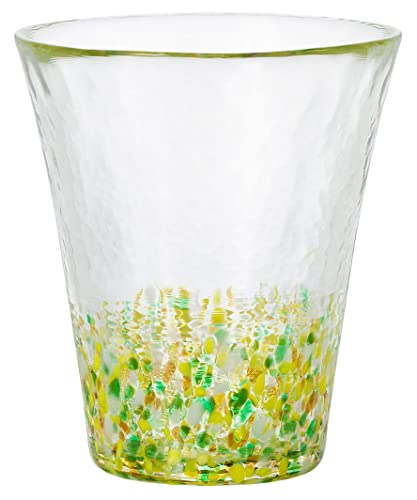
Having broken the ceramics-only rule once, it’s worth breaking twice more, because Japan’s glass traditions play by the same rules as its kilns: regional craft names, gift boxes, and everyday prices. The first is Tsugaru vidro from Aomori — handblown colored glass whose speckled patterns are drawn from the prefecture’s landscapes, sold in seasonal “colors of Japan” palettes where no two glasses read quite alike.
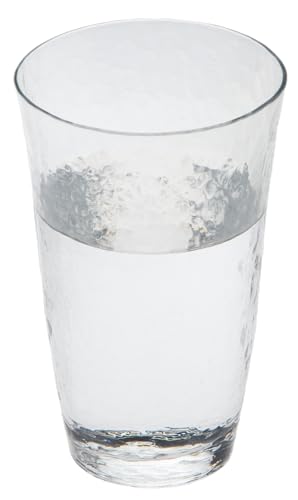
The second is for the beer drinker on your list: Toyo Sasaki’s “Takasegawa” thin tumbler, the kind of ultra-thin-rimmed glass Japanese izakaya use to make an ordinary lager taste draft-poured. It even carries a Good Design Award — for a glass that costs about the same as the beer you’ll pour into it.
The Cookware Crossover: Tamagoyaki Pans and Yukihira Saucepans
Once you’re buying for the kitchen, two pieces of Japanese metal cookware belong in the same suitcase as your ceramics. The first is the tamagoyaki pan — the small rectangular egg pan whose shape exists for exactly one dish, the rolled Japanese omelet. The geometry is the tool: straight sides let you fold the egg in neat layers a round pan can’t produce. Typical sets run ¥2,000–¥3,000, and it doubles as a compact one-egg breakfast pan.
The second is the yukihira nabe, the hammered, spouted saucepan you’ll see in every Japanese home kitchen and most restaurant prep lines. The dimpled surface, pour spouts on both sides, and light single handle make it the everything-pan for dashi, blanching, noodles, and miso soup. Made-in-Japan versions come in quick-heating aluminum (roughly ¥2,000–¥4,000) and induction-friendly stainless steel (roughly ¥3,000–¥5,500) — choose by your stove at home. And if you’re outfitting the kitchen seriously, the natural companion purchase is a blade: our Japanese kitchen knife guide covers how to choose one without overpaying.
How to Judge Quality in Thirty Seconds
You don’t need expertise to avoid the worst and spot the good. A few checks cover most of it:
- Turn it over. The foot ring (kodai) tells the story: a cleanly trimmed, smooth foot that sits flat without rocking signals careful finishing. Rough, sharp, or wobbly feet scratch tables and signal rushed work.
- Hand-painted vs. transfer-printed.Hand-painted decoration shows slight variation in line weight and small asymmetries between repeated motifs; transfer prints are perfectly uniform, often with a faint dot pattern up close. Neither is “wrong” — but hand-painted should cost more, and printed ware priced like hand work is the trap.
- Weight and balance. Good porcelain feels denser than it looks; good rustic stoneware feels balanced, not bottom-heavy. Pick it up as you would to drink or serve.
- Glaze character vs. glaze defects.In rustic wares, pinholes, drips, and kiln variation are the aesthetic. On refined porcelain like Kutani or Arita, look instead for even gloss and crisp pattern edges — smudged overglaze color is a seconds-bin sign.
Gift or Daily Use? Matching the Piece to the Person
The classic mistake is buying decorative pieces for practical people and practical pieces for decorative people. A simple rule sorts it: gifts should be finished experiences (boxed Kutani plates, a yunomi pair, the Fuji tumbler — unwrap, admire, use), while things you buy for yourself should earn shelf space through repetition (the mug you reach for daily, the donabe that becomes your winter routine, the yukihira on the stove every night). Boxed presentation matters more than you’d think for the gift column — Japanese retail packaging does half the gifting work for you, so favor listings that ship in proper gift boxes.
Price-wise, the whole category is forgiving: nearly everything in this guide lands between ¥1,500 and ¥5,500, so a full gift list plus a self-purchase or two rarely clears ¥20,000. Few souvenir categories deliver that much perceived value per yen.
Quick Comparison: Which Piece for Which Person
| Piece | Typical Price | Best For | Packing Difficulty |
|---|---|---|---|
| Kutani tea cup | ¥2,000–¥4,000 | Statement gift; desk or display piece | Low — single boxed cup |
| Kutani small plates (5) | ¥3,000–¥5,000 | Hosts, food-lovers, weddings | Medium — flat but multiple pieces |
| Handmade ceramic mug | ¥1,500–¥2,500 | Everyday self-purchase; safe gift | Low |
| Yunomi pair set | ¥2,000–¥4,000 | Couples — weddings, anniversaries | Low — cups nest in the box |
| Sake cup set (5) | ¥2,000–¥3,500 | The friend who has everything | Low — small and sturdy |
| Donabe clay pot | ¥3,000–¥5,000 | Home cooks; your own kitchen | High — heavy and bulky; consider shipping |
| Mt Fuji glass tumbler | ¥1,500–¥3,000 | Whisky drinkers; conversation-piece gift | Medium — glass, but well boxed |
Packing Fragile Pieces So They Survive the Flight
Most ceramic casualties happen in checked luggage, and most are preventable. The principles: keep original boxes (Japanese ceramic packaging is engineered for exactly this), wrap each piece individually in clothing — socks inside cups, sweaters around boxes — and bury everything in the suitcase’s center, never against the shell. Plates travel vertically on their edges like records, not stacked flat; stacked plates concentrate impact on the bottom one. Hundred-yen shops sell bubble wrap and zip bags if you need more armor, and a strip of tape keeps lidded pieces like the donabe from grinding against themselves in transit.
For one or two truly precious pieces, carry-on is the answer — ceramics pass security without issue. For a heavy haul (say, a donabe plus a full plate set), pricing international shipping from your hotel or the store often beats risking a 23kg suitcase lottery; many larger tableware shops in tourist areas will pack for export professionally.
Pro Tip
Buyer’s Checklist
Frequently Asked Questions
Are Japanese ceramics dishwasher and microwave safe?
It depends on the piece. Plain glazed porcelain and stoneware usually tolerate both, but anything with gold or metallic overglaze — common on Kutani — must stay out of the microwave and is best hand-washed. Unglazed and rustic wares prefer hand-washing too. When a listing specifies care instructions, treat them as binding rather than cautious boilerplate.
Can I use a donabe on an electric or induction stove?
Traditional donabe are designed for gas flames and won’t work on induction, which needs a magnetic base. Some modern versions add induction-compatible plates or inserts — check the listing before buying if your kitchen is induction-only. On radiant electric coils, heat gently and avoid thermal shock.
Is it cheaper to buy ceramics in Japan than ordering online from home?
Almost always, yes. Domestic Japanese prices for regional wares run well below what export retailers and international marketplaces charge for comparable pieces, and the selection is incomparably wider. The main cost of buying in Japan is transport risk — which good packing, hotel delivery, or shipping solves.
How do I tell hand-painted Kutani from a printed imitation?
Look closely at repeated motifs: hand-painted work shows small variations in line weight and spacing between repeats, and brushstrokes have visible direction and slight relief. Transfer prints are perfectly identical from motif to motif and can show a fine dot pattern under close inspection. Price is the other signal — genuinely hand-painted pieces cost more, and a suspiciously cheap “hand-painted” claim usually isn’t.
What’s the best single ceramic gift if I can only carry one box?
For a couple, the yunomi pair set; for a host or food-lover, the five-piece Kutani small plates; for the person with everything, the sake cup set. All three are compact, boxed, and under ¥5,000. If the recipient is a tea person specifically, start with our teaware and matcha sets guide before deciding.
Disclosure
This article contains affiliate links. We may earn a commission when you buy through them, at no extra cost to you. Every pick is an honest recommendation.
Planning to buy from Japan?