

Kawaii Character Plush Guide 2026: Chiikawa, Sanrio, Rilakkuma & Sumikko Gurashi in Japan
Updated July 2026 · 13 min read
Japan Shop Helper Editorial
Tokyo-based · prices & fees verified on real orders
Japan’s character plush shelves are one of the most reliably delightful things a visitor can walk into unprepared. A single character store aisle in Tokyo can hold four or five completely different design universes at once — a round, anxious little creature from a webcomic, a decades-old bear that just wants to nap, a corner-dwelling cast of characters literally named for being shy, and Sanrio’s ever-expanding roster of icons headlined by two of its edgier stars. This guide sorts the four biggest kawaii plush lines worth your money and suitcase space in 2026: Chiikawa, the franchise currently dominating Japanese social media and retail; Sanrio, the genre’s longest-running powerhouse, represented here by Kuromi and My Melody; Rilakkuma, San-X’s enduringly popular comfort bear; and Sumikko Gurashi, the “corner-dwelling creatures” line built around tiny tenori-sized plush. Below: where to actually buy each one in Japan, how to tell genuine merchandise from bootleg product, what the size labels mean, and how to order online if you cannot get to a character store in person.
Heads Up
Why Character Plush Is Japan’s Biggest Kawaii Export
Character goods (kyarakutā gūzu) occupy a category of Japanese retail that has no direct equivalent abroad. Entire multi-floor stores are dedicated to nothing but plush, keychains, stationery, and homeware built around a small number of extremely well-managed intellectual properties. Sanrio has run this playbook since the 1970s; Rilakkuma and Sumikko Gurashi followed with San-X’s quieter, slower-paced aesthetic; and Chiikawa has become the fastest-growing entrant in years, going from a Twitter webcomic to a merchandise phenomenon that now rivals Sanrio’s retail footprint in some Tokyo neighborhoods.
For travelers, the appeal is straightforward: these plush are small, well made, priced reasonably at retail, and instantly recognizable as distinctly Japanese even to recipients who have never heard of the specific character. They also compress well for packing, survive rough handling far better than ceramics or snacks, and scale from a £5-equivalent keychain-sized plush to a genuine display-shelf centerpiece depending on budget.
Chiikawa: The Character Craze You Need to Know About in 2026
If you have not encountered ちいかわ (Chiikawa) yet, here is the short version: it is a manga and merchandise phenomenon created by illustrator Nagano that grew from a webcomic into arguably the single hottest character franchise in Japan right now. The core trio — the round, easily-overwhelmed titular character Chiikawa, the excitable rabbit-eared Usagi, and the calm, capable cat Hachiware — has become so ubiquitous on Japanese merchandise shelves that dedicated Chiikawa stores now sit alongside long-established Sanrio and Pokemon Center locations in Tokyo, Osaka, and Fukuoka.
What sets Chiikawa apart from the older franchises on this list is scarcity. New plush series sell out within hours of release, both in-store and online, and restocks are unpredictable. Convenience-store collaboration campaigns — Chiikawa figures given away with specific snack or drink purchases — add another layer of Japan-exclusive merchandise that almost never reaches overseas resellers at reasonable prices. If you only buy one character line at full retail price during a Japan trip, Chiikawa is the one with the steepest resale markup to avoid paying later.
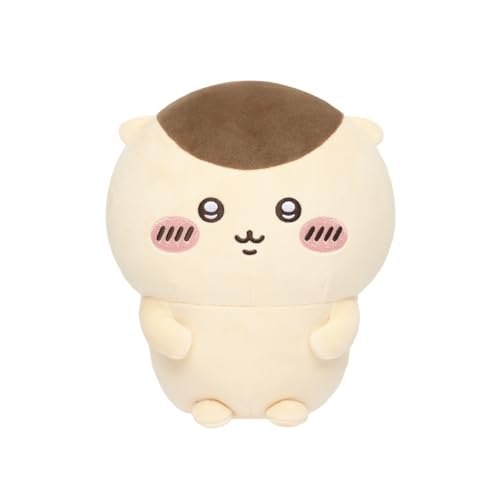

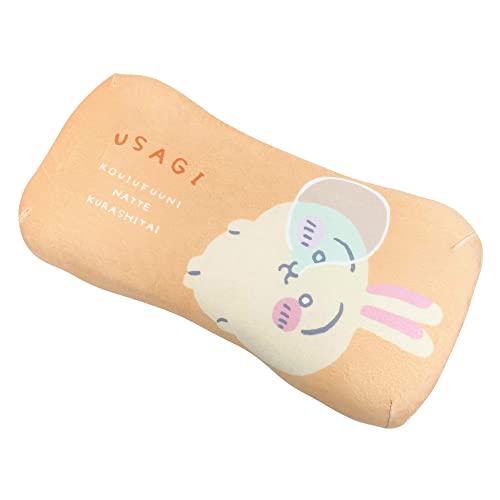
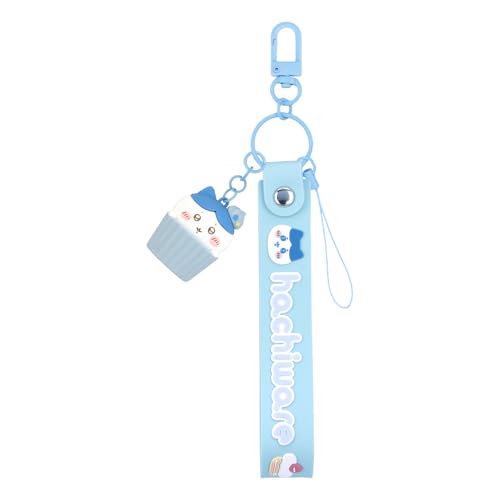
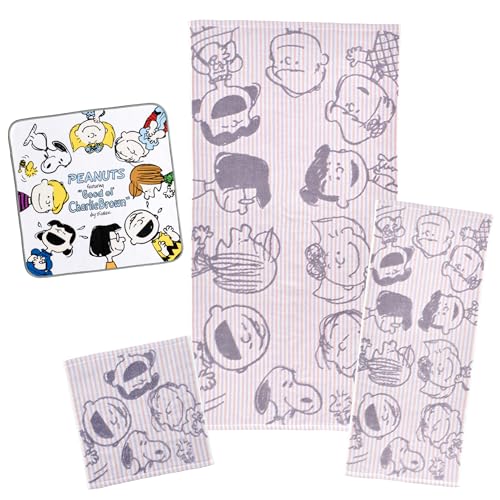
Beyond the plush trio, Chiikawa’s goods range is deep, and the smaller items make ideal low-cost gifts or the add-ons that get you to the tax-free threshold. A momonga (flying squirrel) plush rounds out the cast, while keychains, towels, and stickers are the everyday, pack-flat pieces fans collect by the handful.


Pro Tip
Sanrio: Kuromi & My Melody, the Enduring Rivalry
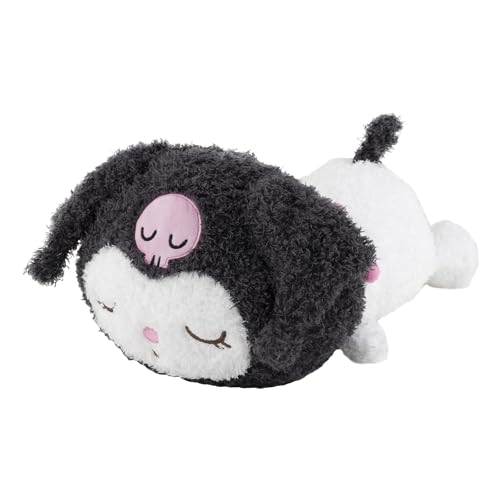
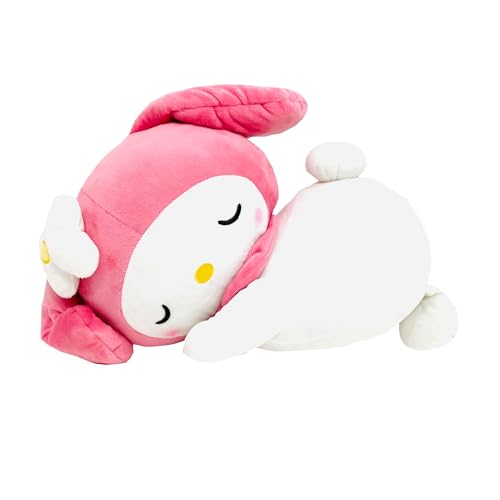
Sanrio remains the deepest and best-organized character goods operation in Japan, and no two characters currently drive more plush sales than Kuromi and My Melody — a deliberately paired rivalry that Sanrio has marketed for years as sweet-versus-mischievous opposites. My Melody is the soft pink rabbit-eared original, all gentleness and cottage-core charm; Kuromi is her self-styled rival, a punk-leaning black rabbit-devil hybrid with a skull motif that has made her one of Sanrio’s biggest crossover hits with teenagers and adult collectors alike.
Both characters get constant limited-edition treatments — seasonal outfits, brand collaborations, regional exclusive colorways sold only at specific Sanrio stores — which means the standard plush below is really the entry point into a much larger, ongoing release calendar. Kiddy Land and the flagship Sanrio stores in Harajuku and Ikebukuro (Sanrio Gift Gate) are the most reliable places to see the current rotation in person.
Rilakkuma: San-X’s Comfort Bear That Never Goes Out of Style
Rilakkuma (literally “relax bear”) has been a San-X mainstay since 2003 and remains one of the most consistently popular plush lines in Japan precisely because it never chases trends. The character’s entire premise is a brown bear in a zip-up costume who lives in an apartment and does very little besides lounge — a deliberate antidote to the more frenetic energy of newer franchises like Chiikawa. That low-key appeal has aged extremely well, and Rilakkuma remains a top seller at Loft, Village Vanguard, and dedicated San-X character shops across Japan.
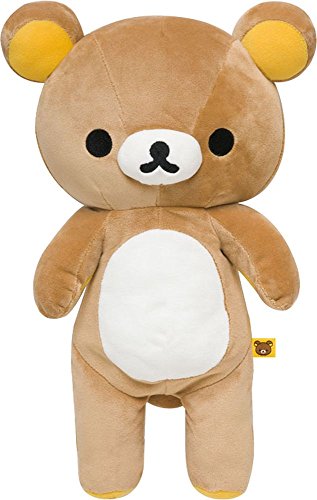
Rilakkuma’s appeal travels especially well as a gift for people with no prior knowledge of Japanese character culture — the design communicates “relaxed bear” instantly, with none of the deeper franchise lore Chiikawa or Sanrio characters sometimes require to appreciate fully.
Sumikko Gurashi: The Corner-Dwelling Cast Built for Tiny Plush
Sumikko Gurashi — roughly “living in the corner” — is San-X’s other major franchise, built around a cast of shy, self-deprecating characters (a put-upon polar bear called Shirokuma, a shy dinosaur called Tokage hiding his true identity, a leftover pork cutlet edge called Tonkatsu, among others) who all quite literally prefer sitting in corners. The franchise leans into small-scale, huggable merchandise more than any other line in this guide, which makes the tenori (palm-sized) plush format its signature product.

Plush Sizing Explained: S, M, and Tenori
Japanese character plush is sold in fairly standardized size tiers, and understanding them before you buy prevents the common disappointment of ordering online and receiving something much smaller than expected. Tenori(literally “fits in a palm”) plush run roughly 10–13cm and are designed to sit in one hand — Sumikko Gurashi built its entire brand identity around this size. S (small) plush, the size used by most standard Chiikawa releases, run about 13–18cm — big enough to stand upright on a shelf but still bag-friendly. M (medium) plush, like the Rilakkuma pick above, typically run 25–30cm and read as genuine display pieces rather than accessories. Above M, sizes escalate to L and the oversized “big” plush that some franchises release as premium, higher-priced items.
Product listings on Amazon Japan and official character stores generally state the size in centimeters directly in the title or description — always check this figure rather than relying on the product photo alone, since photography rarely conveys true scale.
Where to Buy Character Plush in Japan
Kiddy Landis the essential stop for Sanrio, Rilakkuma, and Sumikko Gurashi — the Harajuku flagship in particular carries floor after floor of current and seasonal releases across all three franchises, plus exclusive colorways not sold elsewhere. Dedicated character stores are the right call for the two franchises with their own retail chains: the official Chiikawa shops in Harajuku, Shinsaibashi (Osaka), and Fukuoka, and the Sanrio Gift Gate flagship stores in Harajuku and Ikebukuro. Loft, Tokyu Hands, and Village Vanguard stock all four franchises in their character goods sections and are the best backup if a dedicated store has sold through a specific release.
Konbini kuji(convenience-store lottery draws) are worth watching specifically for Chiikawa and Sanrio tie-in campaigns. These are paid lottery draws — usually ¥600–¥800 per draw — where every ticket wins a prize, ranging from small keychains up through a rare grand-prize plush. Lawson and FamilyMart run the most frequent character-goods kuji campaigns, and the plush from these draws are often exclusive to the campaign and never sold through normal retail channels.
For anyone shopping from outside Japan, or wanting bulky multi-plush hauls delivered without carrying them between cities, Amazon Japan remains the most straightforward option — officially licensed plush ship reliably and the retail price is almost always lower than international resale. For a broader look at how character goods compare to Japan’s other collectible categories, see our blind box toys in Japan guide.
Official vs Bootleg: How to Spot Fake Character Plush
Counterfeit character plush is a real and persistent problem in Japan, particularly around tourist-heavy shopping streets and on overseas marketplaces. Genuine merchandise from all four franchises in this guide carries a small fabric or printed authenticity tagstitched into a seam — for Sanrio and San-X products this is a standardized manufacturer tag listing the company name and a product code; for Chiikawa, official releases carry a printed tag referencing the licensing company managing the franchise’s merchandise. A plush with no tag at all, a tag with blurry or misspelled printing, or stitching that looks noticeably rougher than the sample photos is very likely unofficial product.
Heads Up
The safest purchasing channels are the ones named above: official character stores, Kiddy Land, major department stores, and Amazon Japan listings sold or fulfilled through recognized retailers rather than unverified third-party sellers. If you are buying as a gift, a genuine authenticity tag also matters for the recipient’s own peace of mind — it is often the detail that confirms the item is the real thing rather than a convincing copy.
Pro Tip
How to Order Character Plush Online from Outside Japan
If you cannot get to a character store in person, Amazon Japan is the most reliable route for the plush featured in this guide, particularly for the standardized Sanrio, Rilakkuma, and Sumikko Gurashi releases that stay in stock for extended periods. Chiikawa is the one exception worth flagging: because official releases sell out quickly and restock unpredictably, availability on Amazon Japan fluctuates far more than for the other three franchises, and popular characters can disappear from listings for weeks at a time.
For items not available through direct international shipping, a forwarding service lets you buy from any Japanese retailer — including official character-store online shops — and have the parcel consolidated and forwarded to your address. This is particularly useful for konbini kuji plush and store-exclusive colorways that never appear on Amazon at all. Plush pack well for this kind of shipping: they are light, compress without damage, and survive consolidation into a single parcel with other souvenirs far better than fragile items do.
Quick Comparison: The Core Plush Picks
| Product | Franchise | Price Range | Best For |
|---|---|---|---|
| Chiikawa Small Plush | Chiikawa | ¥1,800–¥2,500 | The current craze; safest first buy |
| Chiikawa Hachiware Plush | Chiikawa | ¥1,800–¥2,500 | Completing the Chiikawa trio |
| Chiikawa Usagi Plush | Chiikawa | ¥1,800–¥2,500 | Completing the Chiikawa trio |
| Rilakkuma Plush M | San-X (Rilakkuma) | ¥2,200–¥3,200 | A genuine shelf centerpiece; universal gift |
| Sumikko Gurashi Tenori Set (3-piece) | San-X (Sumikko Gurashi) | ¥2,000–¥3,000 | Best per-unit value; splits into gifts |
| Sanrio Kuromi Plush | Sanrio | ¥2,000–¥3,500 | Fans of the edgier Sanrio aesthetic |
| Sanrio My Melody Plush | Sanrio | ¥2,000–¥3,500 | Classic soft Sanrio pick; pairs with Kuromi |
Kawaii Plush Shopping Checklist
Frequently Asked Questions
Can I bring character plush through customs?
Yes. Officially licensed plush toys are ordinary consumer goods and clear customs in most countries without issue. The one thing worth declaring honestly is total value if you have bought a large haul, since import duty thresholds vary by country — check your destination’s personal-import allowance if you are buying in bulk.
Why is Chiikawa merchandise so hard to find in stock?
Chiikawa is currently the fastest-growing character franchise in Japan, and production runs have consistently lagged demand since 2022. New releases at official stores and on Amazon Japan can sell out within hours, and restocks are announced with little notice on the franchise’s social media. Buying a character you want as soon as you see it in stock is the standard advice from experienced collectors.
What is the difference between Rilakkuma and Sumikko Gurashi?
Both are San-X franchises with a similarly gentle, low-key aesthetic, but Rilakkuma centers on a single bear character living a leisurely apartment life, while Sumikko Gurashi is an ensemble cast of shy characters built specifically around small, tenori-sized plush. If you want one large shelf piece, choose Rilakkuma; if you want a set of tiny huggable characters, choose Sumikko Gurashi.
How do I know if a Sanrio or Chiikawa plush is genuine?
Check for the stitched or printed manufacturer authenticity tag, usually found in a seam or on a small paper hang-tag. Genuine tags have crisp printing and correct spelling; bootleg versions often have blurry printing, missing tags entirely, or stitching noticeably rougher than official product photos show. Buying from official character stores, Kiddy Land, or recognized Amazon Japan listings avoids the issue altogether.
Are konbini kuji plush the same as official retail plush?
Konbini kuji (convenience-store lottery) plush are officially licensed but are usually exclusive to that specific campaign — they are not sold through normal retail channels afterward. This makes them collectible in their own right, but also means you cannot simply reorder one later if you miss the campaign window.
Is it cheaper to buy character plush in Japan or order it online afterward?
Buying in Japan at retail is almost always the cheapest option, especially for Chiikawa, where international resale markups after a sellout can run several times the original price. For the more consistently stocked Sanrio, Rilakkuma, and Sumikko Gurashi lines, ordering through Amazon Japan afterward is a reasonable second option and still typically cheaper than resale platforms abroad.
For more on Japan’s wider gift and souvenir landscape, see our best souvenirs from Japan guide, and for a lighter, cheaper category of Japan-exclusive gifts, our konbini snack guide pairs well with a character-plush haul for a well-rounded gift bag.
Disclosure
This article contains affiliate links. We may earn a commission when you buy through them, at no extra cost to you. Every pick is an honest recommendation.
Planning to buy from Japan?