

The Ultimate Guide to Japanese Convenience Store Snacks (And How to Get Them Overseas)
Updated April 2026 · 10 min read
Japan Shop Helper Editorial
Tokyo-based · prices & fees verified on real orders
TikTok turned Japanese convenience stores into tourist attractions. And honestly? They deserve it.
A ¥150 onigiri from 7-Eleven Japan is better than most restaurant meals I’ve had in other countries. A ¥130 egg sandwich from Lawson has no business being that good. The ¥200 melon pan from FamilyMart? Criminal how cheap it is.
But here’s the thing — you don’t have to fly to Japan to try most of these. The packaged snacks, the KitKats, the Pocky, the rice crackers — all orderable online. Let me walk you through what’s worth buying.
The Big 3: 7-Eleven vs FamilyMart vs Lawson
Japan has about 56,000 convenience stores. That’s roughly one for every 2,200 people. They’re everywhere and they each have a personality.
7-Eleven Japan— Best rice items. Their onigiri are peak. The “Kin no Series” (gold label) premium line is legitimately restaurant-quality food sold at a convenience store for ¥200-400. Also: best coffee. Their ¥110 drip coffee machine beats Starbucks and I will die on this hill.
FamilyMart— Two words: Famichiki. It’s a fried chicken thigh in a paper sleeve for ¥220. People on r/JapanTravel talk about this chicken more than they talk about actual sightseeing. FamilyMart also has the best dessert collaborations with patisseries.
Lawson— The dessert king. Their “Uchi Cafe” line is absurd. The premium roll cake (¥150) and basque cheesecake (¥255) have a cult following. Natural Lawson (the green logo version) stocks healthier options if that’s your thing.


Snacks you can actually order
The fresh stuff — onigiri, sandwiches, Famichiki — sadly can’t be shipped. But the packaged snacks? Those are the same products you’d find in any konbini, and they’re all over Amazon Japan.
Here are the ones worth your money.
KitKat flavors ranked
Japan has released over 300 limited-edition KitKat flavors since 2000. Three hundred. Strawberry cheesecake. Purple sweet potato. Sake. Wasabi. Yes, wasabi.
Spoiler: most of them are mid. Here’s what’s actually good:
- Matcha— The classic. Uses real Uji matcha. Bitter-sweet balance is perfect. This is the one to start with.
- Strawberry— The white chocolate + strawberry combo works. Sweet but not sickly.
- Dark chocolate (Otona no Amasa)— “Adult sweetness.” Less sugar, more cocoa. Genuinely excellent.
- Rum Raisin— Seasonal winter flavor. Tastes like a fancy dessert. If you can find it, grab it.
Skip the sake one. It tastes like someone poured Smirnoff on a KitKat. The wasabi is a fun gag gift but you won’t eat more than one.


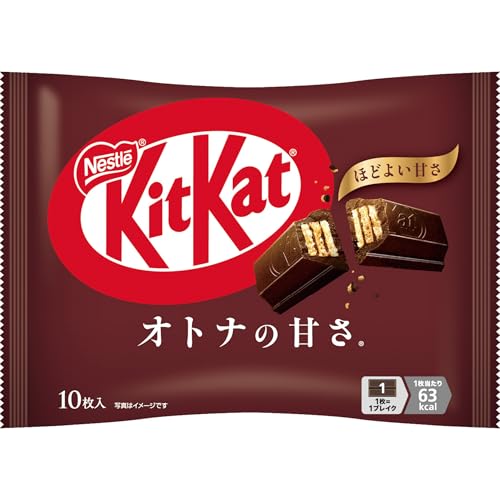
One more for the tea people: matcha isn’t the only leaf Nestlé works with. There’s a Kyoto-limited hojicha collab that actually made it onto Amazon.

KitKats get the headlines, but the konbini chocolate shelf runs deeper than that. Two more staples worth adding to the cart:


Pocky, but make it fancy
Regular Pocky is fine. You can get it at any Asian grocery store. But Japan has a whole other tier.
Giant Pockyfrom the Osaka Glico store is 30cm long and comes in a decorative box. It’s the souvenir everyone buys at Kansai Airport.
Regional flavors are where it gets interesting. Yubari melon Pocky from Hokkaido. Shinshu grape Pocky from Nagano. Uji matcha Pocky from Kyoto. Each prefecture has its own and they sell them in all the tourist shops.
For online ordering, variety packs are your best bet. You get 4-6 flavors in one box and shipping makes more sense per stick.

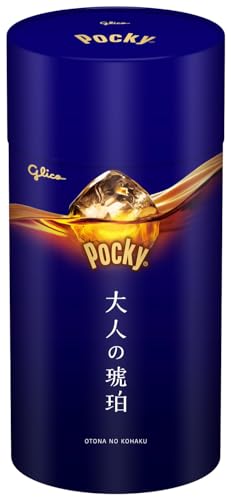
And if you want the actual fancy tier — the one Glico markets to adults, not kids — there’s this:
The salty aisle: Calbee’s kingdom
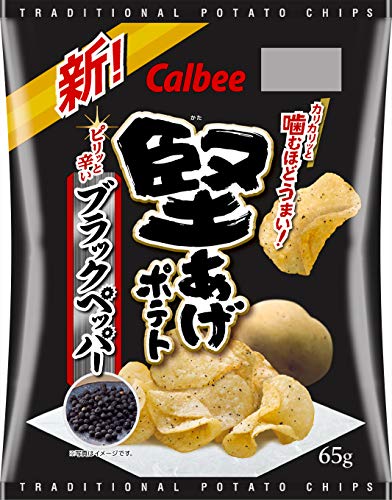
Sweet stuff dominates the souvenir conversation, but ask anyone who actually lives here what they grab at the konbini after work and the answer is usually potato-based. Calbee owns this aisle.
And then there’s Jagariko — the crunchy potato sticks in a cup that every Japanese schoolkid, office worker, and road-tripper has eaten a thousand of.

Rice crackers & senbei — the underrated souvenir
Everyone goes for KitKats and Pocky. Understandable. But the real heads know: senbei is where it’s at.
Japanese rice crackers are nothing like those sad cardboard circles you get at Western health food stores. We’re talking soy sauce-glazed, nori- wrapped, sesame-crusted crunch bombs.
Befco’s Bakauke is the gateway senbei. Kameda’s Kaki no Tane is the spicy mix that goes with beer. Sanko’s Yuki no Yado (snow-roofed house) is the sweet one that melts on your tongue.
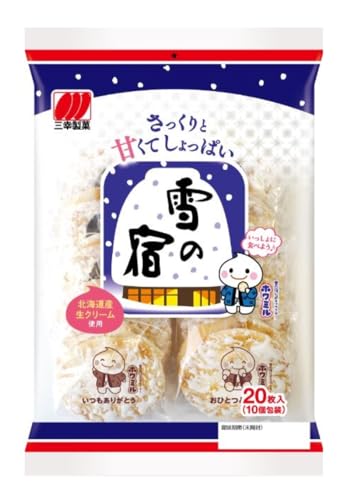
They also survive international shipping way better than chocolate. No melting risk. No fragile packaging. Just sturdy little crackers that taste exactly the same when they arrive three weeks later.

Matcha everything
Matcha KitKat. Matcha Pocky. Matcha cookies. Matcha ice cream. Japan puts matcha in everything and honestly most of it is great.
But if you want actual matcha — the powder you whisk into hot water — quality varies wildly. The ¥300 stuff at konbini is cooking grade. Fine for lattes, terrible for drinking straight.
For proper ceremonial grade, expect ¥2,000-3,500 for 30-40g from a Kyoto producer. Marukyu Koyamaen and Ippodo are the gold standard. Sounds expensive, but 30g makes about 20 cups. That’s under ¥175 per serving. Cheaper than your Starbucks matcha latte and infinitely better.

Itoen is Japan's leading green tea brand. These tea bags let you enjoy authentic Japanese green tea anywhere in the world — just add hot water. At ¥10 per bag, it's the most affordable way to bring home a taste of Japan.
One more drink worth smuggling into your cart: remember that ¥110 drip coffee machine at 7-Eleven I said I’d die on a hill for? The at-home version of that habit is the drip bag — and it’s a sleeper souvenir.

How to get a snack box shipped overseas
A few ways to do this, ranked by effort:
Easiest: Amazon Japan.Most snack multi-packs ship internationally. Create an account, switch the language to English in settings, search in Japanese or English. Shipping is ¥500-2,000 for snacks. Orders over ¥2,000 sometimes qualify for free shipping to select countries.
Medium effort: Forwarding service. Use Tenso or Buyeefor items that don’t ship internationally. You can combine orders from multiple stores into one shipment. Good for building a custom box. Forwarding fee is typically ¥1,500-3,000 plus actual shipping.
Most fun: Subscription box.Services like Bokksu (∼$50/month) send curated boxes of Japanese snacks. The markup is significant — you’re paying maybe 2x retail — but you get variety and zero effort. Good entry point. Once you know what you like, switch to ordering direct.
Real talk: the per-item savings of ordering direct from Amazon Japan vs. a subscription box are 40-60%. If you know what you want, just buy it yourself.
Pro Tip
Heads Up
Best value: what to order first
If you’re doing your first Amazon Japan snack order, here’s what I’d put in the cart:
- Matcha KitKat variety bag (¥2,500) — the safe bet everyone loves
- Pocky variety pack (¥2,000) — covers multiple flavors at once
- Rice cracker assortment (¥1,000) — the sleeper hit of the box
- Matcha powder (¥2,500) — if you drink matcha at all, this is life-changing
- Green tea bags (¥400) — because why not, they weigh nothing
Total: about ¥8,400 (~$58). With international shipping that’s maybe ¥10,000 (~$70) all in. A Bokksu box with similar items would run you $50+ and have half the quantity.
Pro move: split it with a friend. The matcha KitKat bag alone has enough to share. Shipping costs stay the same whether you order for one person or two.
Frequently Asked Questions
Can you order Japanese convenience store snacks online?
The fresh items like onigiri, sandwiches, and Famichiki sadly can’t be shipped. But the packaged snacks — the KitKats, Pocky, and rice crackers — are the same products you’d find in any konbini, and they’re all over Amazon Japan. Those are the ones worth your money.
Which Japanese KitKat flavor is the best?
Matcha is the classic and the one to start with, since it uses real Uji matcha and its bitter-sweet balance is perfect. Strawberry ranks second for its white chocolate and strawberry combo that stays sweet but not sickly. Skip the sake one — it tastes like someone poured Smirnoff on a KitKat.
How much does ceremonial grade matcha cost and is it worth it?
For proper ceremonial grade, expect ¥2,000-3,500 for 30-40g from a Kyoto producer, with Marukyu Koyamaen and Ippodo as the gold standard. It sounds expensive, but 30g makes about 20 cups, which works out to under ¥175 per serving. That’s cheaper than a Starbucks matcha latte and infinitely better.
Which Japanese snacks survive international shipping best?
Rice crackers and senbei survive international shipping way better than chocolate, with no melting risk and no fragile packaging. They’re just sturdy little crackers that taste exactly the same when they arrive three weeks later. Chocolate items like KitKats carry a melting risk that senbei simply don’t.
Is a Japanese snack subscription box worth it versus ordering direct?
Subscription services like Bokksu (∼$50/month) send curated boxes with zero effort, but the markup is significant — you’re paying maybe 2x retail. Ordering direct from Amazon Japan saves roughly 40-60% per item compared with a subscription box. A box is a good entry point, but once you know what you like, switch to ordering direct.
Disclosure
This article contains affiliate links. We may earn a commission when you buy through them, at no extra cost to you. Every pick is an honest recommendation.
Get Japanese snacks delivered