

Japanese Toys & Games 2026: The Best Souvenirs to Bring Home for Kids
Updated July 2026 · 11 min read
Japan Shop Helper Editorial
Tokyo-based · prices & fees verified on real orders
Toys are one of the easiest wins on a Japan souvenir list — light, universally loved, and often impossible to find abroad or sold there at double the price. And Japan’s toy tradition runs deep, from the hand-painted playing cards a young Nintendo made in 1889 to the capsule machines on every street corner today. This guide covers the toys worth carrying home for the kids (and nostalgic adults) on your list: the traditional games that teach a bit of culture, the iconic modern toys Japan does better than anyone, and the characters that need no translation. Most cost well under ¥3,000.
Heads Up
Where to Buy Toys in Japan
The big toy floors are the easiest one-stop option: Yodobashi and Bic Camera both have huge toy sections, and dedicated shops like Yamashiroya (opposite Ueno Station) and Kiddy Land(Harajuku) pack several floors. Don Quijotecovers the cheap-and-cheerful end late into the night, konbini and arcade corners have the gachapon (capsule) machines, and flagship shops — Nintendo Tokyo, the Pokemon Centers, and character stores — carry the exclusives. For anything heavy or that you’d rather not carry, Amazon Japan delivers most of the below to your hotel.
Iconic Japanese Toys
Start with the toy nearly every Japanese child grows up with: Plarail, Takara Tomy’s motorized train system, running since 1959. A Shinkansen starter set — a battery-powered bullet train plus a loop of the distinctive blue track — is the gift that maps perfectly onto a trip where the child probably rode (or watched) a real Shinkansen. The track is compatible across decades of sets, so it grows over time.

The pocket-money companion to Plarail is Tomica— Takara Tomy’s diecast cars, palm-sized and beautifully made, with Japan-exclusive models (local police cars, JR buses, Shinkansen-livery vehicles) you simply can’t buy abroad. At a few hundred yen each they’re the ideal small gift, stocking filler, or “one for each cousin” buy.

For pure Japan novelty, a home gashapon (capsule toy) machineis hard to beat. Japan’s streets are lined with these coin-operated capsule dispensers, and a working miniature for the home — you load it with coins and capsules and crank the dial — turns the experience into a toy in itself. It’s a genuinely different souvenir that captures something no snack or keychain can.

Traditional Games & Crafts
For a gift with a bit of culture in it, start with hanafuda— the beautiful hand-illustrated “flower cards” used in traditional Japanese games. The detail worth knowing: Nintendo began in 1889 as a hanafuda maker, and still produces the most respected decks, so a Nintendo hanafuda set is both a genuine traditional game and a piece of gaming history. The card art alone makes it a keeper.

Origami paperis the lightest, cheapest cultural gift there is — a pack of authentic Japanese kami in traditional patterns (chiyogami prints, washi textures, solid colors) is a fraction of the price it fetches in Western craft shops and folds far better than printer-weight substitutes. It’s the ideal keep-a-kid-busy gift and packs completely flat.

A Japanese-patterns coloring bookextends the same idea for a slightly older child — traditional motifs, seasonal scenes, and character designs to color in, a quiet activity for the flight home that leaves them with something distinctly Japanese to keep.

Characters & Cute Practical Gifts
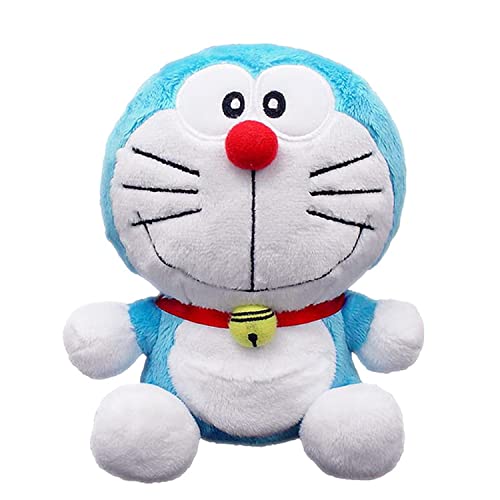
No Japanese toy list is complete without the characters, and two clear the language barrier with any child. Doraemon— the robot cat from the future — is a multigenerational icon across Asia, and a soft plush of him is instantly recognizable and endlessly huggable. It’s the safe, beloved choice for a younger child.
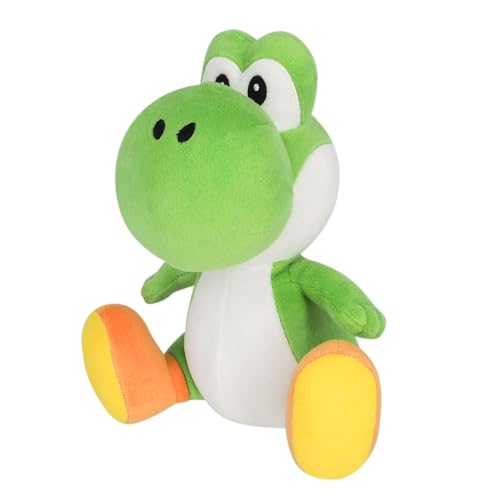
For the gaming-family child, a Super Marioplush — Yoshi, in this case — from the official ALL STAR COLLECTION is the pick. Nintendo’s licensed plush line is famous for its quality and accuracy, and Yoshi’s a friendlier, less obvious choice than another Mario. It bridges kids and nostalgic adult gamers neatly.
Finish with something small, cute, and quietly cultural: a kids’ chopstick training set. The clip-on rings and finger guides help a young child learn to hold chopsticks, it comes in a travel case, and it turns a souvenir into a small daily habit rather than a shelf ornament — a thoughtful, useful gift under ¥1,500.

More Characters & Collectibles for Kids
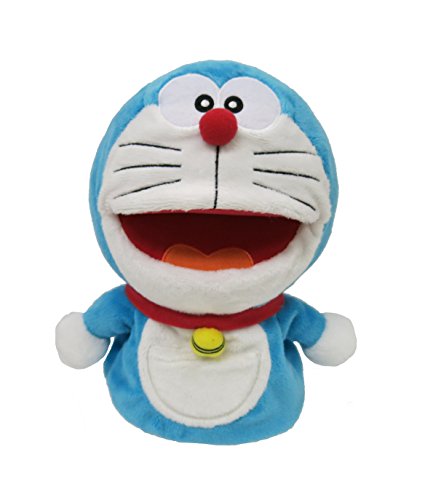
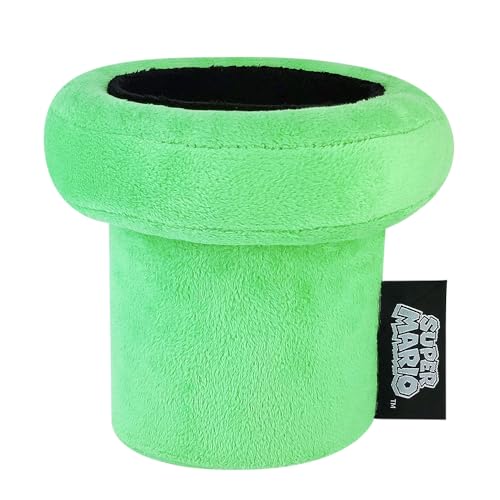
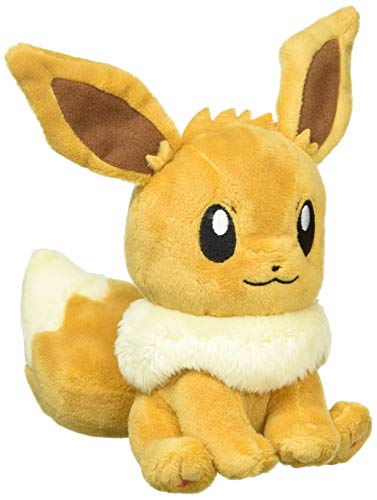
A few more character picks round out the gift list. A Doraemon hand puppetmakes the robot cat interactive for a toddler; a Super Mario pipe stand is a desk piece for a gaming-family kid; the Pokémon fit Eeveeplush is a top seller for any Pokémon fan; and a Japan-limited Tomica gift box is the multi-car set for a serious little collector.

Pro Tip
Quick Comparison: Toys by Age & Type
| Toy | Type | Price | Best Age |
|---|---|---|---|
| Plarail Shinkansen set | Motorized train | ¥3,000–¥5,000 | 3–8 |
| Tomica diecast car | Collectible car | ¥500–¥1,500 | 3+ |
| Home gashapon machine | Novelty | ¥2,500–¥3,500 | 5+ |
| Nintendo hanafuda | Traditional cards | ¥1,000–¥2,000 | 8+ / adults |
| Origami paper (200) | Craft | ¥500–¥1,000 | 5+ |
| Patterns coloring book | Craft / activity | ¥800–¥1,500 | 4+ |
| Doraemon plush | Character | ¥1,800–¥2,500 | All ages |
| Yoshi plush (ALL STAR) | Character | ¥1,000–¥1,500 | All ages |
| Kids’ chopstick trainer | Practical | ¥800–¥1,500 | 2–6 |
Kids’ Toy Souvenir Checklist
Frequently Asked Questions
Are Japanese toys cheaper to buy in Japan than abroad?
Usually much cheaper, and often the only place to get Japan-exclusive models at all. Tomica and Plarail carry local-exclusive editions never sold overseas, and importers abroad add heavy markups on the ones they do stock. Buying in Japan or via Amazon Japan gets you home-market pricing, plus tax-free shopping over ¥5,000.
Where’s the best toy shopping in Tokyo?
Yamashiroya opposite Ueno Station and Kiddy Land in Harajuku are the classic multi-floor toy shops; Yodobashi and Bic Camera have huge sections; Don Quijote covers the budget end late at night; and flagship stores — Nintendo Tokyo in Shibuya, the Pokemon Centers — carry exclusives. Akihabara skews toward collector and anime figures rather than kids’ toys.
Do Japanese toys work with foreign electrical standards?
The toys here that need power — the Plarail train — run on standard AA batteries, which are universal, so there’s no voltage issue. Instructions may be in Japanese, but toys like train sets, cars, and capsule machines are intuitive enough that it rarely matters; assembly is visual.
What’s a good Japanese toy for a teenager or an adult?
A Nintendo hanafuda deck is the sweet spot — a real, learnable traditional game with beautiful card art and genuine gaming history behind it. For a collector, the official character plush and figures skew older too. If they like design or history, hanafuda lands better than a plush.
Can I bring toys through customs without issues?
Yes — toys are ordinary consumer goods with no import restrictions for personal use, and nothing here contains the lithium batteries that airlines require in carry-on. Declare them if your total purchases exceed your home country’s duty-free allowance, but otherwise they pack freely in checked or cabin luggage.
Traveling with children rather than shopping for them? Our Japan with kids guide covers on-the-ground family shopping, and for the collectible side see our blind box & capsule toys guide and kawaii character plush guide.
Disclosure
This article contains affiliate links. We may earn a commission when you buy through them, at no extra cost to you. Every pick is an honest recommendation.
Planning to buy from Japan?