

Japan with Kids: What Nobody Tells You (But Should)
Updated April 2026 · 12 min read
Japan Shop Helper Editorial
Tokyo-based · prices & fees verified on real orders
Japan is one of the best countries in the world for family travel. It’s clean, safe, and every train runs on time. But there are things that will catch you off guard if you’re traveling with small humans.
Traveling Japan with a toddler can be incredible one moment and overwhelming the next. This is the guide our editorial team pulled together from parent forums, reader reports, and on-the-ground research — the practical rundown we wish every family had before they landed.
The stroller problem is real
Japan loves stairs. Old train stations, shrine entrances, restaurant basements, subway transfers — stairs everywhere. Some stations have elevators, but they’re often hidden at the far end of the platform, and there’s usually one per station serving three floors.
Hot take: if your kid is under 3, bring a lightweight baby carrier instead of a stroller. Or bring both and leave the stroller at the hotel on temple days.
At major stations like Shinjuku or Umeda, the elevator hunt can add 15 minutes to every transfer. With a carrier, you just walk—and your sanity is worth more than the convenience of a stroller basket.
Pro Tip
Kids eat free (sort of)
Under 6? Free on all trains and buses. Ages 6–11 ride for half price. That alone saves you a fortune in a country where you take trains constantly — and the adults can cut their own fares with our JR Pass alternatives guide.
Restaurants are trickier. Most family chains (Gusto, Saizeriya, Coco Ichibanya) have kids’ menus with small plates for ¥300–500. Sushi conveyor belts like Sushiro and Kura Sushi are goldmines — kids pick their own plates (¥120 each), and Kura Sushi has a gachapon game every 5 plates that will keep them entertained for an hour.
Ramen shops? Depends on the kid. Some places offer half-size kids’ ramen. Others don’t have high chairs and the counter seats are too high. Scout it first.
Heads Up
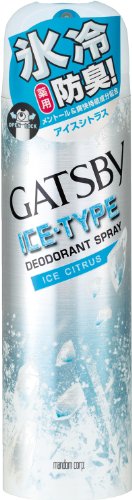
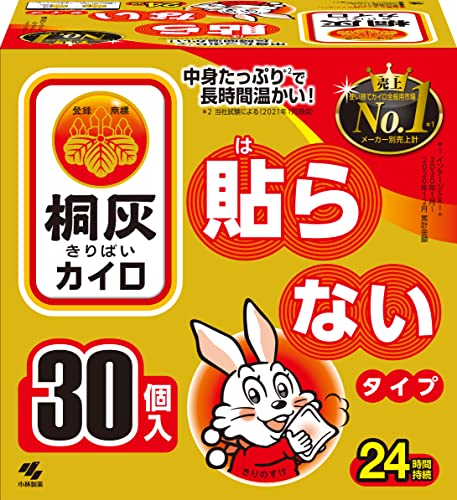
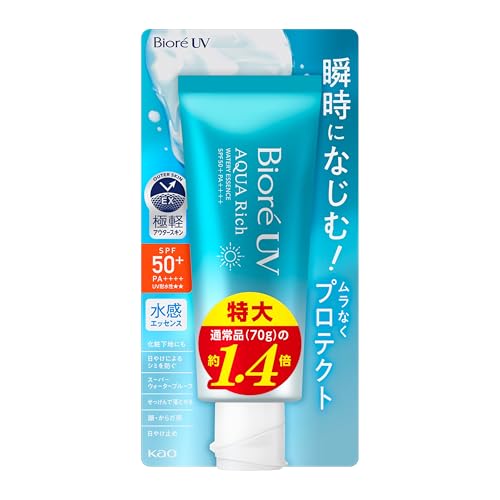
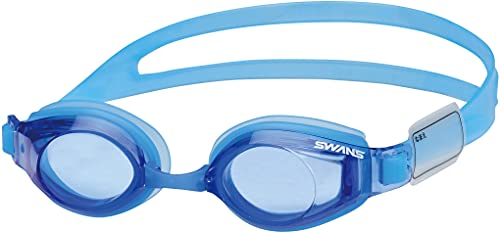
Order this stuff before you go
You can buy most things in Japan. But having these ready in your bag from day one saves you a sweaty first-day drugstore hunt with jet-lagged kids.


Theme parks ranked for families

teamLab Borderless / Planets (Tokyo)— Toddlers love it. No lines for most installations, dark immersive rooms with colors everywhere, and it’s all indoors (hello, rainy day backup). Planets has a wading section — bring a change of clothes. Tickets: about ¥3,800 adults, ¥1,500 kids.
Tokyo DisneySea— All ages. The theming is insane, the food is better than any Disney park worldwide, and there are enough gentle rides for small kids. Mermaid Lagoon is basically an indoor toddler playground. Skip Disneyland unless your kid specifically wants to meet Mickey — DisneySea is the better park.
Universal Studios Japan (Osaka)— Best for kids 4+. The Nintendo World zone requires a timed entry ticket that sells out by 11am most days. Grab it first thing or book through Klook’s Express Pass bundle. The Minion and Sesame Street areas are great for smaller kids.
Kidzania (Tokyo/Osaka)— Underrated pick. Kids role-play real jobs (firefighter, sushi chef, dentist) and earn pretend money. It’s in Japanese, but kids figure it out fast. About ¥4,000 for ages 3–15. Parents just chill.
Pro Tip
The secret weapon: Japanese convenience stores
Forget everything you know about gas station food. Japanese konbini (7-Eleven, Lawson, FamilyMart) are a lifeline for parents.
Picky eater? Onigiri rice balls come in dozens of flavors, and most kids will at least eat the plain salt (shio) or salmon (sake) ones. ¥120 each. Egg sandwiches are ¥200 and taste way better than they have any right to.
Need baby food? Lawson and 7-Eleven near residential areas carry pouches from Kewpie and Wakodo. Usually ¥200–400. Not a huge selection, but enough to get through a day. For a bigger range, hit a Nishimatsuya or Akachan Honpo — they’re basically Japanese Babies R Us.
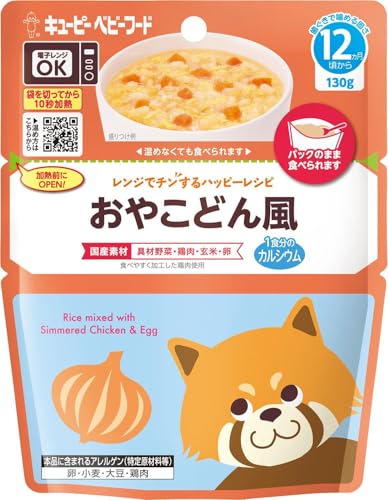

Emergency diaper run at midnight? Konbini. Wet wipes? Konbini. Fever patches for a sick kid? Konbini. They’re open 24/7 and never more than a 5-minute walk away in any city.
Pro Tip
Pack light, buy there
Japan has the best drugstores on earth. Don’t pack a month of baby wipes or 6 tubes of sunscreen. Here’s what’s cheaper and better quality in Japan:
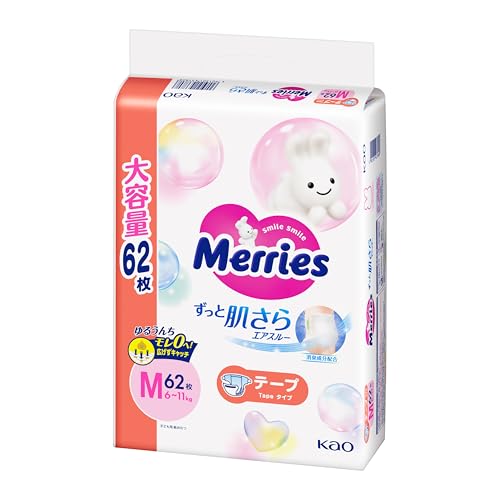
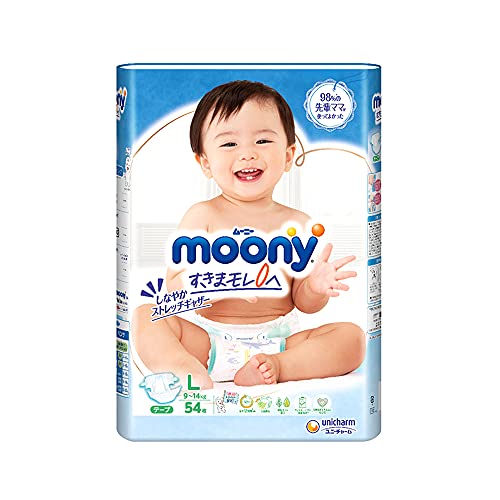
- Diapers:Merries and Moony are softer than anything back home. About ¥1,200 for a pack of 50+ at any drugstore or Don Quijote.
- Baby wipes:¥200 for 80 sheets. They’re thick and don’t fall apart. Look for the ones with the green lid at any Matsumoto Kiyoshi.
- Sunscreen:Already covered this but it bears repeating — Japanese sunscreen is leagues ahead. ¥800 for Biore UV at any drugstore.
- Kids’ medicine:Bufferin Luna for kids, fever patches (called “Hiepita”), and electrolyte drinks (Pocari Sweat) are everywhere. But bring any prescription meds from home — Japan’s pharmacies won’t fill foreign prescriptions.

Heads Up
Rainy day backup plans
It will rain. June is the rainy season but honestly, any month can hit you with a surprise downpour. Have these in your back pocket:
- Pokemon Center (multiple locations)— Free to browse, and every kid (and let’s be honest, every adult) loses their mind. The Tokyo DX in Nihonbashi is the flagship. Budget ¥3,000–5,000 because your kid will beg for a plushie.
- Ghibli Museum (Mitaka, Tokyo)— Tickets sell out a month in advance. Not kidding. Book on the 10th of the prior month at 10am JST through the Lawson ticket site. The short films shown here are exclusive to the museum.
- Game arcades— Round1, Taito Station, and Sega arcades have entire floors of claw machines, purikura (photo booths), and rhythm games. Kids under 16 can’t stay past 6pm without a parent, and not past 10pm at all.
- Depachika (department store basement)— Not technically a kid activity, but the free samples alone are a meal. Takashimaya and Isetan basement floors are food wonderlands. Kids love the displays.
- Indoor playgrounds— Look for “Kid-o-Kid” by BorneLund or “Aneby Trimpark” in shopping malls. Usually ¥600–1,500 for the first hour. Toddler heaven.
Pro Tip
A few more things
- Coin laundry:Called “coin randori.” They’re everywhere and cost about ¥300 to wash, ¥100 to dry. Do laundry every 3 days and pack half the clothes.
- Taxis from stations:When the kids are melting down at 5pm, just take a cab. Base fare is ¥500–600 and most rides within a neighborhood are under ¥1,500. Way cheaper than a tantrum.
- Hotel choice matters: Pick hotels near a major station with a konbini on the ground floor or next door. Toyoko Inn and Dormy Inn are solid budget picks with family rooms.
- Bring a small towel:Most Japanese restrooms don’t have paper towels or hand dryers. Locals carry a small hand towel. Grab one at Daiso for ¥110.
Disclosure
This article contains affiliate links. We may earn a commission when you buy through them, at no extra cost to you. Every pick is an honest recommendation.
Prepare before you arrive