

Beat Japan’s Weather 2026: Summer Heat, Rain & Winter Cold Gear to Buy There
Updated July 2026 · 11 min read
Japan Shop Helper Editorial
Tokyo-based · prices & fees verified on real orders
Japan’s weather is more extreme than most visitors expect. Tokyo summers routinely hit 35°C with 80% humidity; the June–July rainy season (tsuyu) can soak a full day of sightseeing; and winters, while dry, run cold enough that a poorly packed traveler spends the trip miserable. The good news is that Japan is arguably the world’s best country at engineering small comfort gadgets to deal with all of it — and most cost under ¥3,000 and are sold on every corner. This guide covers what to buy on arrival to survive the season, where to find it, and the one packing rule that trips people up on the flight home.
Heads Up
Where to Buy Weather Gear in Japan
Seasonal comfort goods are everywhere the moment the weather turns. Don Quijotestocks the widest cheap range and stays open late; LOFT and Handscarry the design-led versions on their seasonal floors (tax-free over ¥5,000); drugstores like Matsumoto Kiyoshi and Welcia put cooling and warming goods by the door in season; and konbini and ¥100 shopscover the disposable basics — ponchos, cooling wipes, hand warmers — when you get caught out. Japan merchandises to the calendar, so summer gear appears in May and disappears by September; if you see the exact thing you want, buy it, because the shelf will be Christmas goods a month later.
Surviving the Summer Heat
Japanese summer is a humidity problem as much as a temperature one, and the local arsenal is built for exactly that. The single most useful buy is a portable fan— rechargeable, handheld or neck-hung, and genuinely powerful. They’re a national summer accessory: you’ll see office workers, students, and grandparents all carrying one, and after an hour on a Kyoto temple path in August you’ll understand why.

A step up in technology is the thermoelectric neck cooler— a horseshoe-shaped device that rests on your shoulders and presses a metal Peltier plate against the back of your neck, actively chilling the blood flow rather than just moving air. It’s a distinctly Japanese gadget, and on the hottest days it does something a fan can’t.
At the top of the category sits the gadget that invented it: Sony’s REON POCKET, now in its fifth generation. It’s the closest thing to personal air conditioning Japan sells, and a genuinely Japan-first product category — you won’t find it on shelves back home.

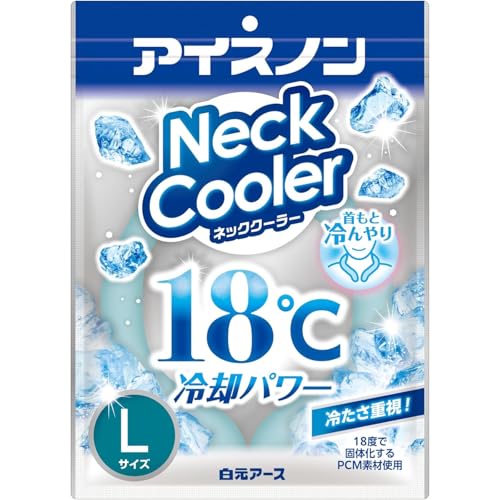
For a no-battery option, a cooling towel is the cheap classic: wet it, wring it, snap it, and evaporative cooling keeps it cold around your neck for an hour. A multipack is the smart buy for a family or a group, and it weighs nothing in a day bag.

Japanese sun culture treats shade as the first line of defense, which is why a UV-blocking parasolis a mainstream unisex accessory here, not a fashion statement. A dedicated UV parasol has a dense coating rated to block nearly all UV and drops the temperature under it noticeably — many double as rain umbrellas (a “ken-you” or all-weather model), which makes one the most efficient single thing to carry in changeable weather.

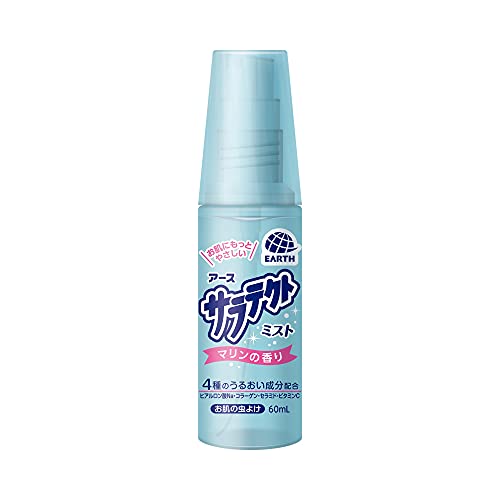
Finish the summer kit with mosquito repellent. Japanese summers are muggy, and evenings near parks, temples, or water bring mosquitoes; a compact spray or a clip-on is a ¥500 afterthought that saves an itchy night, and the local formulations are effective and easy to find at any drugstore or konbini.
A few smaller buys round out the kit, each aimed at a specific misery of the Japanese summer. A hands-free neck fan frees your hands on a crowded train or a long temple walk; cooling body sheets reset you after a sweaty subway ride; UV arm coversextend a parasol’s shade to the part of you that actually burns; and salt tablets are the quiet essential nobody packs until the first afternoon of real heatstroke weather.


The Rainy Season and Sudden Showers
Between the June–July tsuyu and typhoon-season downpours, rain is a near-certainty on a longer trip. Convenience stores sell clear plastic umbrellas everywhere for about ¥700, but a proper folding umbrellais worth owning — and the sakura color-change models, whose printed blossoms deepen from pale to vivid pink when wet, are a genuinely charming souvenir that happens to be fully functional.

For hands-free rain, or for theme parks and hiking where an umbrella is impractical, keep a disposable ponchoor two in your bag. A multipack costs almost nothing, packs down to the size of a phone, and is the difference between continuing your day and retreating to a café when a downpour arrives without warning.

Staying Warm in a Japanese Winter
Japanese winters are dry and sunny but genuinely cold, and the local approach is smart layering plus small heat sources rather than one bulky coat. The modern version of the classic disposable kairo hand warmer is a rechargeable pocket warmer— a palm-sized metal unit that heats instantly, holds a set temperature for hours, and doubles as a phone power bank, replacing the throwaway packets entirely.

The highest comfort-per-yen winter buy, though, is good thermal socks. Japanese and merino-wool socks are a different category from ordinary cotton ones — warm, moisture-wicking, and cushioned for the long days of walking a Japan trip demands. Cold feet end a winter sightseeing day faster than almost anything else, and a three-pack is cheap insurance against it.

Bridge the shoulder seasons with a cotton-linen scarf. Light enough for a cool spring or autumn evening and warm enough to take the edge off early winter, a good scarf is the layer that adjusts to Japan’s wide daily temperature swings — and the Japanese-made textile versions are a tasteful accessory in their own right rather than pure utility.

Pro Tip
Quick Comparison: Weather Gear by Season
| Item | Season | Price | Battery? |
|---|---|---|---|
| Portable fan | Summer | ¥1,500–¥2,500 | Yes — carry-on only |
| Thermoelectric neck cooler | Summer | ¥2,000–¥3,500 | Yes — carry-on only |
| Cooling towel (4-pack) | Summer | ¥1,000–¥1,500 | No |
| UV folding parasol | Summer / all-weather | ¥2,000–¥3,000 | No |
| Mosquito repellent | Summer | ¥400–¥700 | No |
| Sakura color-change umbrella | Rainy season | ¥2,000–¥3,000 | No |
| Disposable ponchos (5-pack) | Rainy season | ¥500–¥1,000 | No |
| Rechargeable hand warmer | Winter | ¥1,500–¥3,000 | Yes — carry-on only |
| Merino thermal socks (3-pack) | Winter | ¥1,000–¥1,800 | No |
| Cotton-linen scarf | Spring / autumn | ¥1,500–¥2,500 | No |
Weather-Gear Shopping Checklist
Frequently Asked Questions
Can I bring a portable fan or hand warmer on the plane home?
Yes, but they must go in your carry-on, not checked luggage. Portable fans, neck coolers, and rechargeable hand warmers contain lithium-ion batteries, which airlines require to be in the cabin for safety. Buy them freely in Japan and simply keep them in your cabin bag for the flight; there’s no issue carrying them through security.
When is Japan’s rainy season, and do I really need rain gear?
The main rainy season (tsuyu) runs roughly early June to mid-July across most of Honshu, and typhoon season brings heavy rain from August into October. On any trip longer than a few days in that window, rain is likely — a folding umbrella plus a couple of disposable ponchos is cheap, packs small, and saves a day of sightseeing.
Is a thermoelectric neck cooler actually better than a fan?
They do different jobs. A fan moves air and helps sweat evaporate; a neck cooler presses a chilled metal plate against your neck for direct cooling that works even in still, humid air where a fan struggles. In peak August humidity the cooler does something a fan can’t, but it’s heavier and pricier — many people carry both, or start with the cheaper fan.
Where’s the cheapest place to buy this gear in Japan?
Don Quijote for the widest cheap selection and late hours, konbini and ¥100 shops for disposable basics (ponchos, cooling wipes, hand warmers), and drugstores for seasonal cooling and warming goods. LOFT and Hands cost a little more but carry the better-designed versions and offer tax-free over ¥5,000.
Will I actually find summer gear if I visit in winter (or vice versa)?
Not easily — Japanese stores merchandise tightly to the season, so fans and parasols fill shelves from May and vanish by September, replaced by hand warmers and thermal wear. If you need out-of-season gear, Amazon Japan carries most of it year-round; in stores, buy what you see while it’s there.
Packing for a specific trip? Our onsen packing list and pool & beach gear guide cover the water-and-bathing side, and our Japan sunscreen buying guide handles sun protection in depth.
Disclosure
This article contains affiliate links. We may earn a commission when you buy through them, at no extra cost to you. Every pick is an honest recommendation.
Planning to buy from Japan?