

Japan Onsen Packing List: Everything First-Timers Need to Bring
Updated June 2026 · 13 min read
A first onsen visit catches many travelers off guard: you arrive with nothing but the clothes on your back and a vague sense of optimism, then face a ¥300 rented towel, no moisturizer for a post-soak face, and a phone at risk in a jeans pocket in the changing room. This packing list is built to head off every one of those mistakes.
If you’re wondering what to bring to a Japanese onsen, the short answer: a small modesty towel, a waterproof bag for your valuables, post-soak skincare, and a few cheap items you can grab at any Japanese drugstore or 100-yen shop before you even reach the bath. Below is the full onsen essentials list, organized by category, with exact prices and store names so you can stop guessing and start soaking.
Why an Onsen Requires Its Own Packing List
An onsen isn’t a swimming pool. You enter naked, wash thoroughly at a station before stepping into the communal bath, and then soak. Most onsen provide body soap and shampoo, but not always conditioner, face wash, skincare, or a decent towel. Ryokan onsen typically supply more; public day-use onsen (sento-style) supply less.
The mineral-rich water—sulfur, sodium bicarbonate, iron, depending on the region—can leave your skin feeling silky or parched. Sulfur springs in Noboribetsu or Kusatsu, for example, tend to dry skin out noticeably. Without moisturizer, you’ll feel tight within 30 minutes. That’s the gap most first-timers don’t expect.
Rental fees at onsen add up fast. A face towel rental runs ¥100–¥300, a bath towel ¥200–¥500, and a razor or toothbrush ¥100–¥200 each. Buying your own basics in advance from a drugstore costs less and gives you better options. A pack of three thin cotton towels at Daiso runs ¥110 total.
The Modesty Towel: Your Most Important Single Item
Japanese bathers carry a small rectangular towel—roughly 35 × 85 cm—into the bathing area. It serves triple duty: washing at the shower station, light coverage while walking between baths, and wringing out to use as a lightweight drying cloth. You fold it and place it on your head or beside the bath while soaking. It never goes into the water.
Any thin cotton towel works. The classic onsen towel (tenugui style) is sold at Daiso and Seria for ¥110, at Don Quijote for ¥150–¥300, and at Matsumoto Kiyoshi for around ¥200. Some onsen gift shops sell location-branded towels for ¥500–¥800—nice as souvenirs, unnecessary as tools.

Pro Tip
Waterproof Bag for Valuables (and Wet Towels After)
Onsen changing rooms have baskets or small lockers, but not all lockers lock. Some require ¥100 coins (returned after use), others have no locks at all. A waterproof pouch keeps your phone and wallet safe in your day bag and later carries your damp towel home without soaking everything else.
Daiso sells zip-top waterproof phone pouches for ¥110. Don Quijote stocks larger dry bags (5L–10L) from ¥500. If you’re already carrying a ziplock bag from packing liquids for the flight, that works too—just double-bag it.

Heads Up
Toiletries: What’s Provided vs. What to Bring Yourself
Amenity availability varies widely. Here’s a general breakdown based on the type of onsen facility:
| Item | Ryokan Onsen | Public Day-Use Onsen | Sento (Bathhouse) |
|---|---|---|---|
| Body Soap | Usually provided | Usually provided | Sometimes (check) |
| Shampoo | Usually provided | Usually provided | Sometimes |
| Conditioner | Often provided | 50/50 | Rarely |
| Face Wash | Sometimes | Rarely | No |
| Moisturizer / Lotion | Sometimes (vanity area) | Rarely | No |
| Razor | Often (in-room amenity) | Vending machine (¥100) | Vending machine |
| Bath Towel | Provided in room | Rental ¥200–¥500 | Rental ¥200–¥300 |
| Small Towel | Provided in room | Rental ¥100–¥300 | Rental ¥100 |
The pattern is simple: ryokan supply most things, day-use onsen supply the basics, and neighborhood sento often assume you’re a regular who brings your own bucket of supplies. If your trip involves day-trip onsen visits between cities, pack a small toiletry kit rather than relying on what’s there.
For travel-size toiletries, Matsumoto Kiyoshi and Welcia drugstores sell mini bottles (40–100 mL) of popular Japanese shampoo and conditioner brands for ¥200–¥400 each. Daiso sells refillable travel bottles for ¥110 per set of three. If you’re curious about which Japanese drugstore products are worth checking out in general, there’s a helpful overview of drugstore skincare essentials on this site.
One washing-station habit worth copying from the locals: Japanese bathers whip their soap into a thick foam with a small awadate net before washing, rather than rubbing a bar directly on skin. It’s the kind of tiny, cheap tool you’ll keep using long after the trip.

Post-Soak Skincare: The Step Most First-Timers Skip
Onsen mineral water opens pores and strips natural oils. Sulfur springs in particular can leave skin feeling tight within minutes of drying off. Japanese bathers typically apply lotion (a hydrating toner, not what Westerners call “lotion”) immediately after patting dry, followed by a light moisturizer.
Hada Labo Gokujyun Hyaluronic Lotion is the default choice—it costs ¥990 for 170 mL at Matsumoto Kiyoshi, compared to $18–$24 for the same bottle overseas. The travel-size 30 mL version is ¥385 and fits in any toiletry pouch. Apply it on damp skin in the changing room, then follow with a light cream or gel moisturizer.
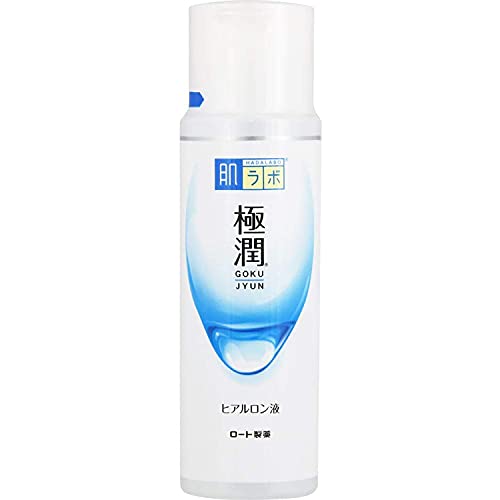
For body moisturizer, Nivea Cream (the blue tin) is ubiquitous in Japan at ¥500–¥600 for a 169g tin. Alternatively, Naturie Hatomugi Skin Conditioning Gel runs ¥900 for 180g and absorbs faster without leaving a greasy film—better for humid summer evenings. Both are stocked at drugstores and Don Quijote.

If you’d rather carry one pump bottle that covers arms, legs, and everything the toner doesn’t reach, a Japanese body milk is the lighter-feeling alternative to a tin of cream.

If you have sensitive skin, sulfur onsen can trigger redness. Consider rinsing with fresh water from the shower after your soak (most locals don’t, as they want the minerals to stay on the skin, but dermatologists generally recommend rinsing for sensitive skin types). Follow with a centella or cica cream available at any drugstore for ¥800–¥1,200.
Hair Ties, Clips, and Why Conditioner Matters
Hair must stay out of the bathwater. If your hair is shoulder length or longer, bring a hair tie or clip. This is etiquette, not optional. Locals typically twist their hair up and secure it with a simple elastic or claw clip before entering the bathing area.
Mineral water can make hair feel brittle, especially sulfur-heavy springs. If conditioner isn’t provided (see the table above), a travel-size conditioner from Matsumoto Kiyoshi costs ¥200–¥400. Tsubaki (by Shiseido) and Ichikami are popular Japanese brands you’ll find on drugstore shelves. Daiso also sells single-use sachet conditioners for ¥110 per pack of three—light enough for multi-day trips.
The simplest fix of all is not getting your hair wet in the first place. On a multi-soak day—evening bath, morning bath, maybe a second onsen in town—a shower cap saves you two full wash-and-dry cycles.

Pro Tip
What to Wear To and From the Onsen
If you’re staying at a ryokan, you’ll find a yukata (cotton robe) in your room. Wear this to and from the onsen with the provided slippers. Left side of the robe goes over right (right-over-left is reserved for dressing the deceased). A tanzen (padded outer robe) may be provided in winter months.
For day-use onsen visits, wear whatever is easy to take off and put back on. Skip complicated outfits with many layers. Slip-on shoes save time at the entrance. Some facilities provide rental yukata for ¥300–¥500, which is a comfortable option if you plan to relax in the rest area afterward.
Pack a change of underwear in your day bag. After soaking, putting clean underwear on a freshly bathed body is a small luxury that makes the whole experience feel more complete. A ziplock bag for the worn pair takes zero space.
The ¥550 Onsen Kit from a 100-Yen Shop
You can build an entire onsen kit from Daiso for ¥550 (five items at ¥110 each), and it covers every gap a facility typically doesn’t fill. Here’s exactly what to grab:
The mesh bag is an underrated pick. It lets you carry your small towel, toiletries, and hair accessories from the locker to the shower station in one hand, and it drains water so nothing sits in a puddle. Many Japanese bathers use one. Daiso has them in several sizes near the laundry section.
If you’re putting together a broader set of travel essentials for Japan, the Don Quijote shopping guide covers how to find discounts and navigate the store layout for items like these.

What Not to Bring Into an Onsen
Knowing what to leave behind is as important as knowing what to pack. A few items will cause problems or are outright banned:
The swimsuit rule catches many first-time visitors off guard. Some mixed-gender (konyoku) onsen in rural areas provide a thin wrap or allow a specific type of cover, but standard single-gender onsen are always nude. If this feels uncomfortable, look for onsen with private baths (kashikiri-buro), which you can reserve for ¥1,000–¥3,000 per 30–60 minute slot.
Heads Up
Where to Buy Onsen Essentials in Japan
You don’t need to pack these items from home. Every item on this list is available within a 10-minute walk from most major train stations in Japan. Here are your four best options:
Daiso / Seria / Can Do (100-Yen Shops)
Best for: towels, mesh bags, hair accessories, waterproof pouches, travel bottles. Everything is ¥110 (tax included). Quality is basic but perfectly functional for a trip. Daiso has 3,600+ stores across Japan, and most shopping malls have at least one 100-yen shop on a lower floor.
Matsumoto Kiyoshi / Welcia / Sundrug (Drugstores)
Best for: skincare (moisturizer, toner, sunscreen), travel-size shampoo and conditioner, razors, sheet masks for post-soak pampering. Prices are competitive and most stores have tax-free counters for purchases over ¥5,000. Matsumoto Kiyoshi stores near tourist areas stock English signage on popular items.
Don Quijote (Donki)
Best for: dry bags, tattoo cover patches, larger towels, snacks for the train ride to the onsen, and anything you forgot at midnight (many locations are open 24 hours). Prices run slightly higher than drugstores for skincare but lower for random travel accessories. The tax-free counter handles purchases over ¥5,000.
Convenience Stores (7-Eleven, Lawson, FamilyMart)
Best for: last-minute pickups when you’re already en route. Single-use face wash, travel toothbrush sets (¥200–¥400), hair ties, and basic moisturizer. Selection is limited but pricing is fair. Many convenience stores near onsen towns also sell small towels for ¥200–¥300.
For a broader look at stocking up on travel-related items, the Japanese sunscreen guide covers another essential that pairs well with onsen trips, since mineral-rich water can make skin more photosensitive.
Complete Onsen Packing Checklist
Print this or screenshot it before your trip. Items marked with an asterisk (*) can be skipped if you’re staying at a ryokan, since they’re usually provided.
Pro Tip
First-Time Onsen Tips Beyond the Packing List
The right gear makes the experience smoother, but a few behavioral notes matter just as much. Japanese onsen culture values quiet enjoyment and cleanliness above all.
Wash before soaking.Every onsen has a row of washing stations with stools, mirrors, showerheads, and soap dispensers. Sit on the stool, wash your entire body thoroughly, and rinse all soap off before entering the bath. This isn’t just etiquette—it keeps the mineral water clean for everyone.
Don’t submerge your towel.Your modesty towel stays above the water at all times. Most bathers fold it and place it on their head or set it on a rock at the bath’s edge.
Stay hydrated. Hot mineral water raises your body temperature quickly. Drink water before and after soaking. Most onsen have a water cooler or vending machine near the changing area. Some ryokan serve chilled barley tea (mugicha) in the lounge area post-bath.
Limit your soak time.15–20 minutes per session is standard for first-timers. Longer soaks increase the risk of dizziness, especially in hotter baths (42–44°C). If there are multiple baths at different temperatures, start with the cooler one and work your way up.
Quiet voices. Onsen are not social hubs in the Western hot-tub sense. Keep conversation to a murmur, or better yet, simply enjoy the silence. This is part of the therapeutic experience.

One honest caveat on the waterproof phone pouches from 100-yen shops: while they work fine for splash protection in a bag, they’re not something to trust submerged in water. The seal can weaken after a few uses. For actual waterproofing (kayaking, beach days), spend ¥1,500–¥2,000 at an electronics store on a rated case. For onsen purposes, though, you only need the pouch to protect your phone from humidity and accidental drips in the changing room, and the ¥110 version handles that.
Frequently Asked Questions
Do I need to bring my own soap and shampoo to an onsen?
Most onsen (especially ryokan and larger day-use facilities) provide body soap and shampoo at the washing stations. Conditioner, face wash, and skincare are less reliably available. If you’re visiting a neighborhood sento or a small rural onsen, bring your own travel-size toiletries to be safe. A set costs ¥200–¥400 at any drugstore.
Can I wear a swimsuit in a Japanese onsen?
Standard single-gender onsen require full nudity. Swimsuits are not allowed. Some mixed-gender (konyoku) baths in rural areas may provide a thin modesty wrap or specific covering, but these are the exception. If you’re uncomfortable bathing nude around others, look for kashikiri-buro (private bath rentals), which most onsen and ryokan offer for ¥1,000–¥3,000 per session.
What happens if I have tattoos?
Many traditional onsen still prohibit entry for guests with visible tattoos, though this policy is gradually softening, especially in tourist-heavy areas. Your options: use tattoo-concealing patches (sold at Don Quijote for ¥500–¥800), choose a facility with relaxed tattoo policies (some list this on their websites), or book a private bath. The website Tattoo Friendly lists onsen across Japan that welcome tattooed guests.
How much does a day-use onsen visit cost?
Public day-use onsen entry fees range from ¥500 to ¥2,000, with most falling in the ¥700–¥1,200 range. Tokyo neighborhood sento charge around ¥520 (set by the prefecture). Premium resort-style facilities with multiple bath types, saunas, and rest areas can cost ¥2,000–¥3,000 but often include towel rental and amenities in the price.
Should I shower after soaking in the onsen?
Traditionally, Japanese bathers skip the rinse after soaking so the beneficial minerals stay on the skin. However, if you have sensitive skin or the onsen has strong sulfur content, rinsing lightly with fresh water can prevent irritation. Always apply moisturizer promptly after drying off either way.
Can I buy onsen supplies at the onsen itself?
Larger onsen facilities have small shops or vending machines selling towels (¥200–¥500), disposable razors (¥100), toothbrush sets (¥100–¥200), and sometimes basic skincare. Prices are marginally higher than drugstores but not unreasonable. For day-trip visitors, buying at the onsen is convenient but not the most cost-effective approach if you’re visiting multiple locations.
Disclosure
This article contains affiliate links. We may earn a commission when you buy through them, at no extra cost to you. Every pick is an honest recommendation.
Prepare before you arrive