

Best Japanese Moisturizers 2026: Hada Labo vs Curel vs Everything Else
Updated January 2026 · 14 min read
Japan Shop Helper Editorial
Tokyo-based · prices & fees verified on real orders
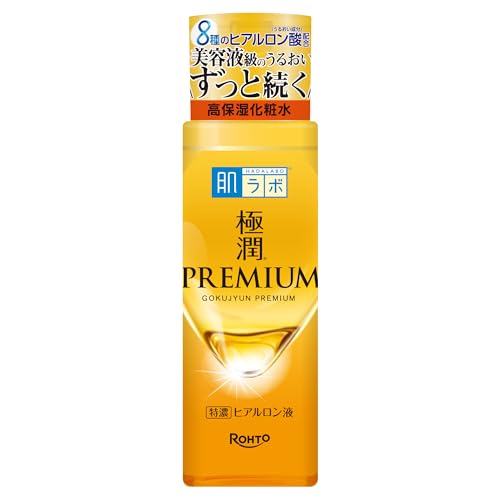
The Hada Labo 400ml pump is ¥990 at any Matsumoto Kiyoshi. It’s $24 on Amazon. That’s the whole argument for buying moisturizer in Japan. Across the many products on the Matsumoto Kiyoshi wall, the Gokujyun Premium Lotion is the one we keep coming back to. Curel’s Intensive Moisture Cream is our pick for anyone with dry or sensitive skin — no caveats, no “depends on your skin type.” Just buy it.
Below are the eight moisturizers we recommend, ranked, with Japan prices, skin-type guidance, and the overseas markup so you know what you’re saving.
The Thing That Makes Japanese Moisturizers Worth Buying
Western skincare tends to use one thick cream to do everything. Japanese skincare philosophy splits moisture delivery across multiple lightweight layers: a hydrating toner (called “lotion” in Japan — confusing, yes), an emulsion or serum, and sometimes a final cream. Each layer is thinner and absorbs faster than a single heavy moisturizer.
This explains why so many “moisturizers” on Japanese shelves feel watery. They’re designed to be one piece of a 3–5 step routine, not a standalone product. When tourists buy a Hada Labo “lotion” expecting a thick cream, they’re often confused. It’s a hydrating toner. You can absolutely use it alone if you have oily skin, but most people layer something on top. (No, you don’t need the 7-HA formula. But it’s hard to resist.)
The practical upshot for visitors: you don’t need to buy one product. Buy 2–3, spend a total of ¥2,500 (about $17), and you’ll have a complete routine that outperforms a $60 department-store cream. Japanese drugstore formulations routinely score higher in independent hydration-retention tests than Western luxury equivalents at 5x the price.
Pro Tip
Quick Comparison: Top 8 Japanese Moisturizers Ranked
Here’s the full lineup with Japan retail prices, key ingredients, and the skin type each product suits best. Prices reflect typical drugstore tags in 2025–2026 and may vary slightly by chain.
| Product | Japan Price | Texture | Star Ingredient | Best For |
|---|---|---|---|---|
| Hada Labo Gokujyun Premium Lotion | ~¥990 | Thick toner | 7 types of hyaluronic acid | All skin types, humid climates |
| Curel Intensive Moisture Cream | ~¥1,600 | Rich cream | Pseudo-ceramides | Dry/sensitive skin |
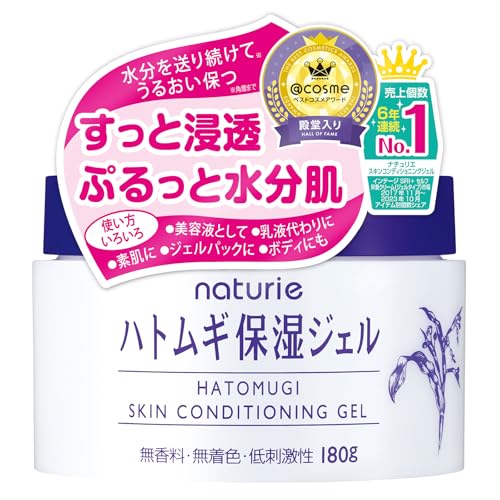
| Naturie Hatomugi Skin Conditioning Gel | ~¥900 | Lightweight gel | Hatomugi (Job’s tears) extract | Oily skin, summer use |
| Matsuyama Hadauru Moisturizing Cream | ~¥1,800 | Medium cream | Soy ceramides | Dry skin, minimal ingredients |
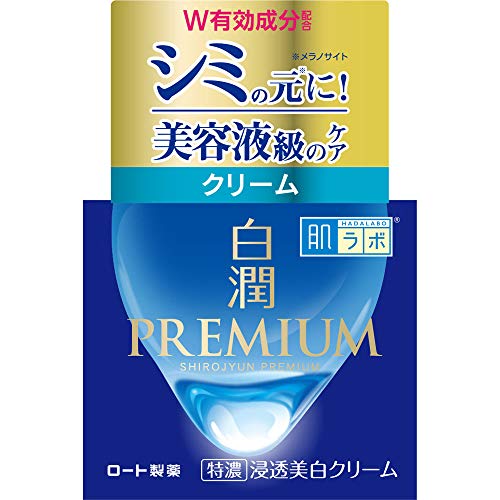
| Hada Labo Shirojyun Premium Cream | ~¥1,400 | Light cream | Tranexamic acid + HA | Brightening, post-sun care |
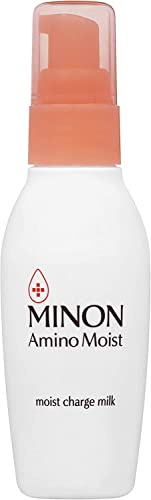
| Minon Amino Moist Charge Milk | ~¥1,800 | Emulsion/milk | 9 amino acids | Reactive/allergy-prone skin |
| Mebika Moisture Lotion | ~¥700 | Watery toner | Ceramides + HA | Budget pick, all skin types |
| Ceracolla Perfect Gel | ~¥900 | All-in-one gel | Ceramides + collagen + HA | Travelers wanting one product |
Now let’s look at each of these in detail, starting with the undisputed bestseller.
#1 Hada Labo Gokujyun Premium Lotion — The One Everyone Buys
Rohto’s Hada Labo Gokujyun line sells over 60 million bottles across its variants, making it the most purchased hydrating product in Japanese drugstore history. The 2023 reformulation of the Premium Lotion upped the ante to 7 types of hyaluronic acid in varying molecular weights — from high-molecular HA that sits on the skin surface to nano-HA that penetrates deeper layers.
At roughly ¥990 for 170ml, the cost-per-use is absurd. A bottle lasts most people 2–3 months with twice-daily use. Compare this to imported pricing of $18–$25 and the savings alone justify filling your suitcase.
How to Use It (Because Most Tourists Get This Wrong)
Hyaluronic acid draws moisture from its surroundings. In humid Tokyo summers (70–85% humidity), it pulls water from the air into your skin — perfect. In dry climates or airplane cabins (10–20% humidity), it can actually pull moisture out of your skin if you don’t seal it. The fix: always apply to damp skin, and follow with a cream or oil if you live somewhere dry.
Japanese women typically pat 2–3 thin layers of this onto their face, waiting a few seconds between each. This “lotion masking” technique delivers noticeably more hydration than slapping on one thick layer. You’ll feel the difference by day 3. It’s tempting to skip the multi-layer step when you’re starting out, but it’s the step that makes the difference.
#2 Curel Intensive Moisture Cream — Best Japanese Moisturizer for Dry Skin
If your skin gets flaky, tight, or red — especially during travel when water chemistry changes and airplane air strips your barrier — Curel is what Japanese dermatologists consistently recommend. Kao’s Curel line uses synthetic ceramides (pseudo-ceramides) that mimic the ceramides naturally found in your skin barrier. Clinical studies by Kao show improved barrier function within 3 weeks of daily use.
The Intensive Moisture Cream (40g, roughly ¥1,600) is the hero product. It’s fragrance-free, alcohol-free, and allergy-tested. The texture is dense but not greasy — it sinks in within a minute and leaves a protective matte finish that works well under sunscreen.

One detail tourists miss: Curel’s “Moisture Lotion” comes in three variants — I (Light), II (Normal/Enrich), and III (Very Rich). Most Western visitors should grab II or III. The numbering isn’t always obvious on the packaging, but look for the Roman numerals on the front label.
Pro Tip
#3 Naturie Hatomugi Skin Conditioning Gel — Best Budget Pick for Oily Skin
At roughly ¥900 for a 180g tub, the Naturie Hatomugi gel costs less per gram than a bottle of water in a Tokyo vending machine. This massive jar lasts 3–4 months and works brilliantly in humid conditions. The star ingredient is hatomugi (Job’s tears) extract, a grain used in traditional East Asian medicine that has mild anti-inflammatory properties.
The texture is a nearly weightless water-gel that vanishes on contact. For oily skin in summer, this alone is enough. For combination or normal skin, layer it over the Hada Labo lotion. It won’t be enough moisture if your skin runs dry, but that’s not what it’s for.
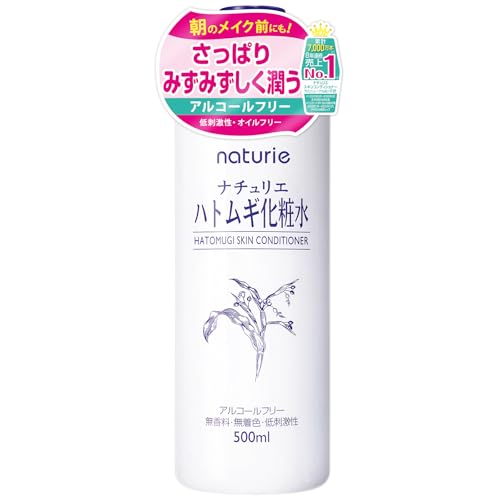
Fun insider fact: the matching Hatomugi Skin Conditioner (a 500ml bottle of watery toner for around ¥500) is one of the most popular products in Japan for DIY sheet masking. People soak compressed cotton tablets in it and leave them on for 5 minutes. It’s a ¥500 facial.
#4–#5: Matsuyama Hadauru & Minon Amino Moist — The Insider Picks
Matsuyama Hadauru Moisturizing Cream
Matsuyama is a smaller brand that rarely makes English-language recommendation lists, but it’s a cult favorite on Japanese skincare forums like @cosme. Their Hadauru line uses soy-derived ceramides in a short, clean ingredient list (typically under 20 ingredients, compared to 30+ for many competitors). The Moisturizing Cream (¥1,800 for 50g) has a pleasant rice-like scent and a medium-weight texture that works year-round.
You’ll find Matsuyama at larger drugstore chains like Ainz & Tulpe or Tokyu Hands, but not always at smaller pharmacies. It’s worth seeking out if you prefer minimal formulations.
Minon Amino Moist Charge Milk
Minon, made by Daiichi Sankyo Healthcare (a pharmaceutical company), is formulated with 9 types of amino acids. Amino acids are the building blocks of your skin’s natural moisturizing factor (NMF), so this emulsion works differently from HA-based or ceramide-based products — it essentially gives your skin the raw materials to hydrate itself.
The Charge Milk (¥1,800 for 100g) is an emulsion with the consistency of runny yogurt. It’s particularly good for people whose skin reacts to multiple products. Minon conducts patch testing with dermatitis patients, and the line is marketed specifically for “stinging-sensitive” skin types.
Best Budget Japanese Drugstore Moisturizers Under ¥1,000
Japan pharmacy skincare doesn’t have to cost much at all. If you want to spend under ¥1,000 (roughly $7) and still get a genuinely effective product, these three won’t let you down.
Mebika Moisture Lotion (~¥700 / 500ml)
A massive 500ml bottle of ceramide-and-HA toner for roughly ¥700. That’s ¥1.4 per ml. The formulation isn’t as sophisticated as Hada Labo’s multi-weight HA approach, but for the price, it’s extraordinary. Use it for the multi-layer patting technique mentioned above, or soak cotton pads for a DIY sheet mask.
Ceracolla Perfect Gel (~¥900 / 90g)
Meishoku’s Ceracolla gel is an all-in-one (toner, serum, cream combined) that contains ceramides, collagen, and hyaluronic acid. For travelers who don’t want a multi-step routine, this single jar handles everything. The gel texture sits between Naturie’s water-gel and Curel’s dense cream — medium-weight, no fragrance, no mess.
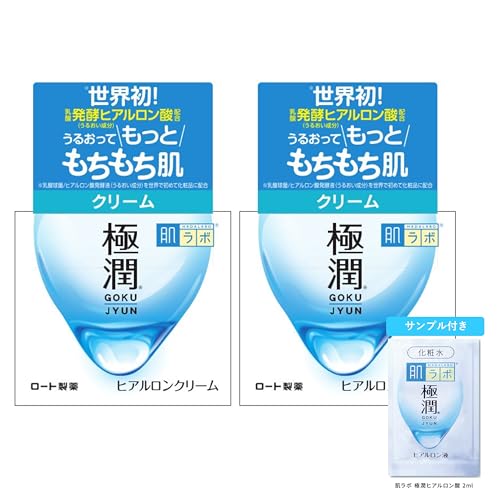
Hada Labo Gokujyun Cream (~¥850 / 50g)
If you love the Gokujyun lotion but want a traditional cream texture to seal everything in, the Gokujyun Cream delivers the same multi-weight HA in a light, bouncy cream format. It’s not as occlusive as Curel, making it a better choice for normal-to-slightly-dry skin in moderate climates.
Lotion, Gel, Milk, or Cream: Which Format Suits Your Skin?
This is where most tourists get confused, because Japanese product naming doesn’t match Western conventions. Here’s a simple decision framework:
Climate matters as much as skin type. If you’re visiting Japan in July–August (30–35°C, 75%+ humidity), even dry skin types may find a lotion + gel sufficient. If you’re there in January–February (5–10°C, 40–50% humidity), even oily skin types might want a cream layer. Adjust your purchase accordingly.
For a deeper understanding of how Japanese skincare layering works alongside sun protection, check out our guide on Japanese sunscreens— many of the moisturizers above pair directly with Japanese SPF products for a complete routine.
Where to Buy Japanese Moisturizers: Drugstores, Pharmacies, and Tax-Free Shopping
Every product in this article is available at major Japanese drugstore chains. The big three are Matsumoto Kiyoshi (yellow signage, largest chain with 1,700+ stores), Sundrug, and Tsuruha Drug. All three offer tax-free shopping for tourists who spend ¥5,000 or more in consumables at a single store. Bring your passport.
Ainz & Tulpe and @cosme Tokyo (the physical stores of the famous review site) stock a curated selection and tend to carry harder-to-find brands like Matsuyama. The @cosme store in Harajuku is worth a visit — they display current “best of” rankings on shelf tags, which helps when you can’t read Japanese.
Pricing is remarkably consistent across chains. You might save ¥50–100 at one versus another, but it’s not worth going out of your way. The tax-free threshold is the real savings lever: plan to batch your purchases at one store to clear ¥5,000 and save the 10% consumption tax.
Heads Up
If you’re also looking to stock up on other Japanese drugstore beauty finds, plan at least 30–45 minutes for a single store visit. The selection is vast and the aisles are densely packed.
Japan vs Overseas Pricing: How Much You’ll Actually Save
The price gap on Japanese skincare isn’t a myth. Import markups, shipping costs, and middleman margins add 50–150% to the Japan retail price. Here’s what the numbers look like:
| Product | Japan Price | US Amazon Price | Savings |
|---|---|---|---|
| Hada Labo Premium Lotion | ¥990 (~$7) | $18–$25 | ~60–70% |
| Curel Intensive Moisture Cream | ¥1,600 (~$11) | $25–$35 | ~55–70% |
| Naturie Hatomugi Gel | ¥900 (~$6) | $12–$18 | ~50–65% |
| Minon Charge Milk | ¥1,800 (~$12) | $22–$30 | ~45–60% |
| Ceracolla Perfect Gel | ¥900 (~$6) | $14–$20 | ~55–70% |
If you buy 5–6 products for a full skincare routine in Japan, you’ll spend around ¥5,000–¥7,000 total ($35–$48). That same haul purchased overseas runs $90–$140. The savings fund a nice izakaya dinner.
How to Read Japanese Moisturizer Labels (Without Knowing Japanese)
Google Translate’s camera mode works well on Japanese packaging. Point your phone at the label and you’ll get a rough translation in 2 seconds. But here are the key terms you’ll see repeatedly:
化粧水 (keshōsui) = Lotion/toner. 乳液 (nyūeki) = Emulsion/milk. クリーム (kurīmu) = Cream. ジェル (jeru) = Gel. 美容液 (biyōeki) = Serum/essence. 保湿 (hoshitsu) = Moisturizing. しっとり (shittori) = Rich/moist type. さっぱり (sappari) = Light/refreshing type.
When a product comes in “shittori” and “sappari” variants, pick shittori if your skin is dry-to-normal and sappari if it’s oily. This distinction appears on Hada Labo, Curel, and dozens of other lines. The kanji are often printed right on the front of the bottle.
For more tips on shopping smart at Japanese pharmacies, including how to find specific products and communicate with staff, see our Japan pharmacy shopping tips.
Sample Routines: What to Actually Buy Together
Rather than buying randomly, here are three suggested routines with total costs.
The ¥2,000 Routine (Oily/Normal Skin, Summer)
Hada Labo Gokujyun Premium Lotion (¥990) + Naturie Hatomugi Gel (¥900) = ¥1,890 total. Pat 2–3 layers of the lotion onto damp skin, wait 30 seconds, then apply a thin layer of the gel. Done in under 2 minutes. This combination delivers hydration without any heaviness.
The ¥2,600 Routine (Dry/Sensitive Skin, Winter)
Curel Moisture Lotion II (¥1,000) + Curel Intensive Moisture Cream (¥1,600) = ¥2,600 total. The lotion preps and hydrates; the cream seals and repairs. Sticking to one brand line reduces the risk of ingredient conflicts, which matters for reactive skin.
The ¥900 Minimalist Routine (Any Skin Type)
Ceracolla Perfect Gel (¥900) and nothing else. It handles toner, serum, and cream duties in one step. Not as effective as a layered routine, but honest about what it is — an 80% solution for people who don’t want to think about skincare.
Pro Tip
Frequently Asked Questions
What is the best moisturizer to buy in Japan for first-time visitors?
Start with Hada Labo Gokujyun Premium Lotion. It’s available in virtually every drugstore, costs under ¥1,000, and works for all skin types. If you need more moisture, add the Ceracolla Perfect Gel on top. This two-product combo costs about ¥1,900 and covers most people’s needs.
Are Japanese moisturizers safe for sensitive or eczema-prone skin?
Many Japanese moisturizers are specifically formulated for sensitive skin. Curel and Minon are the two brands most commonly recommended by Japanese dermatologists for eczema and dermatitis patients. Both lines are fragrance-free, alcohol-free, and patch-tested on sensitive skin. That said, everyone’s triggers are different — check the ingredient list against your known allergens.
Can I bring Japanese moisturizers in my carry-on luggage?
Yes, as long as each container is 100ml or less and fits in your 1-liter clear bag. The Hada Labo Premium Lotion is 170ml, so it needs to go in checked luggage (or buy the 30ml travel size). The Curel cream at 40g fits carry-on rules. Planning ahead saves frustration at security.
What’s the difference between Hada Labo Gokujyun and Shirojyun?
Gokujyun (“extremely moist”) focuses purely on hydration with multiple types of hyaluronic acid. Shirojyun (“white”) adds tranexamic acid, a brightening ingredient that helps fade post-inflammatory hyperpigmentation and sun spots. Choose Gokujyun for hydration, Shirojyun if you also want to address uneven skin tone.
How many moisturizers can I buy duty-free in Japan?
There’s no item limit. Consumables (skincare, food, drinks) qualify for tax-free status when you spend ¥5,000 or more at a single store in one transaction. The upper limit is ¥500,000 per store per day. Realistically, most tourists buy ¥10,000–¥20,000 worth of skincare — well within the limits. Just bring your passport with your tourist visa stamp.
Do Japanese drugstores have English-speaking staff?
In tourist-heavy areas like Shibuya, Shinjuku, Ginza, and Dotonbori, many drugstore staff speak basic English or Mandarin. Some stores have multilingual signage and staff wearing “English OK” badges. In smaller cities or residential neighborhoods, you’ll likely need Google Translate. Having the product name in Japanese on your phone speeds things up considerably.
Disclosure
This article contains affiliate links. We may earn a commission when you buy through them, at no extra cost to you. Every pick is an honest recommendation.
Shop Japanese beauty products