

Best Japanese Face Wash 2026: Hada Labo vs Biore vs SK-II — Fully Ranked
Updated June 2026 · 14 min read
Japan Shop Helper Editorial
Tokyo-based · prices & fees verified on real orders
Japanese face washes don’t feel like Western face washes. The first time many travelers use one, they assume something is wrong — then realize they’d simply never used a pH-balanced cleanser before. No tightness, no residue. Skin that still feels like skin twenty minutes later. The Hada Labo Gokujyun Foaming Wash turns up in a lot of Airbnb bathrooms, and it’s the kind of first impression that sends people out to buy three more.
Japanese face cleansers dominate @cosme (Japan’s biggest beauty review platform, with over 20 million registered users) for a reason: most are formulated at a mildly acidic pH of 5.0–5.5, matching skin’s natural barrier. Western drugstore face washes often land closer to pH 9–10, which strips moisture and leaves that tight, squeaky feeling. That single formulation philosophy explains why so many tourists have that “aha” moment in Japan.
Why Japanese Face Cleansers Actually Feel Different (It’s the pH)
Walk into any drugstore in Shibuya or Shinsaibashi and you’ll notice face washes here come in pump-foam bottles, tubes, and oil bottles — three formats that barely exist in most Western drugstores. The foam format dominates: brands whip the cleanser into a cloud-like mousse before it reaches your skin, which reduces the mechanical friction of rubbing a bar of soap across your face.
Japanese formulators also lean heavily on hyaluronic acid, amino acid surfactants, and fermented ingredients instead of sodium lauryl sulfate (SLS). Hada Labo’s Gokujyun Foaming Wash, for example, lists potassium cocoyl glutamate as its primary surfactant — an amino acid-derived cleaner that’s roughly 40% gentler on skin than SLS in independent dermatological patch tests.
Here’s the insider detail that matters for shoppers: drug-store face washes in Japan (¥400–900, roughly $2.70–$6) often outperform imported premium cleansers costing ¥3,000+ in the same store’s “import beauty” section. Japanese consumers are ruthless reviewers — a product that scores below 4.5 on @cosme basically vanishes from shelves within a season.
The 4 Types of Japanese Face Wash You’ll See on Shelves
1. Foam Cleansers (泡洗顔)
The most popular category by sales volume. They come as pump bottles that dispense pre-whipped foam or as tubes you lather with a foaming net. Best for normal-to-oily skin. If you only buy one face wash in Japan, it’ll likely be a foam cleanser.
2. Gel Cleansers (ジェル洗顔)
Low-friction, often fragrance-free, and formulated for sensitive or dry skin. They don’t foam much. Curel and Minon dominate this space. Gel cleansers typically cost ¥800–1,200.
3. Cleansing Oils (クレンジングオイル)
Designed as the first step of a double-cleanse routine: massage into dry skin to dissolve sunscreen and makeup, then rinse. You follow it with a foam or gel cleanser. DHC, Fancl, and Kose dominate here. These are the #1 beauty souvenir for foreign tourists — the small 70 ml DHC bottle is TSA-friendly and fits in a coat pocket.
4. Micellar Water (拭き取りクレンジング)
Cotton-pad-based removal. Bifesta and Chifure lead this category. Useful for travel days when you don’t have time for a full sink routine, but Japanese skincare enthusiasts consider them a supplement, not a replacement.
Pro Tip
Top 10 Best Japanese Face Washes, Ranked for 2026
This ranking weighs four criteria: cleaning performance (sebum removal without over-drying), skin-type versatility, travel-friendliness (packaging that survives a checked bag), and price-to-value ratio. This guide lists the typical Japan drugstore price alongside the overseas Amazon price so you can see the markup and decide what’s worth buying in bulk.
| Rank | Product | Type | Japan Price | Amazon US Price | Best For |
|---|---|---|---|---|---|
| 1 | Hada Labo Gokujyun Foaming Wash | Foam (pump) | ¥700–900 | $18–22 | All skin types |
| 2 | DHC Deep Cleansing Oil | Oil | ¥1,500–2,400 | $15–28 | Makeup removal, souvenirs |
| 3 | Biore Facial Foam (Moisture) | Foam (tube) | ¥400–500 | $12–15 | Oily/combo skin |
| 4 | Curel Foaming Face Wash | Foam (pump) | ¥1,100–1,300 | $16–20 | Dry/sensitive skin |
| 5 | Senka Perfect Whip | Foam (tube) | ¥500–700 | $10–14 | Budget pick, normal skin |
| 6 | Fancl Mild Cleansing Oil | Oil | ¥1,700–1,900 | $22–30 | Sensitive skin, preservative-free |
| 7 | Kose Softymo Deep Cleansing Oil | Oil | ¥600–800 | $12–16 | Heavy makeup, budget oil |
| 8 | Muji Sensitive Skin Cleansing Oil | Oil | ¥750–950 | $16–20 | Minimalist, fragrance-free |
| 9 | SK-II Facial Treatment Gentle Cleanser | Foam (tube) | ¥7,000–8,500 | $75–95 | Premium/mature-skin care |
| 10 | Rohto Mentholatum Acnes Face Wash | Foam (tube) | ¥400–600 | $10–14 | Acne-prone, teens |
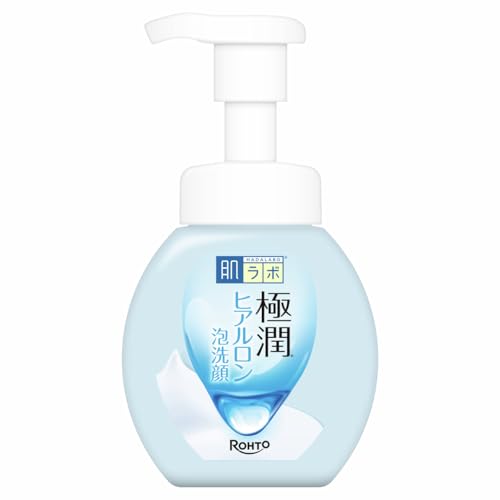
#1: Hada Labo Gokujyun Foaming Wash — The Default Choice
This is the face wash sitting in roughly 1 in 3 Japanese bathrooms, according to Intage retail data. The pump dispenses a dense, marshmallow-like foam that contains four types of hyaluronic acid. You press the pump twice, spread the foam for about 20 seconds, rinse, and your skin feels clean without any dryness. The formula’s pH hovers around 5.5.
At ¥700–900 in any Matsumoto Kiyoshi, Sundrug, or Don Quijote across Japan, this is almost certainly the product you tried in that Airbnb. On Amazon US, the same bottle sells for $18–22 — a roughly 300% markup. If you’re visiting Japan, buy three or four. They weigh 160 g each, and the pump bottles are reliably leak-resistant in checked luggage. Worth saying plainly: a higher price doesn’t mean a better cleanser. The Hada Labo pump at ¥780 outperforms cleansers at four times the price by every objective measure that matters for a face wash.
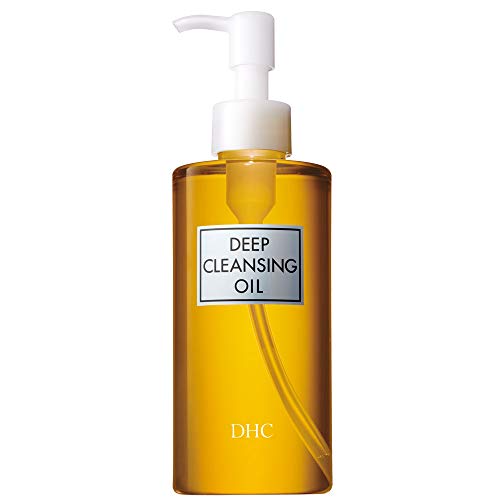
#2: DHC Deep Cleansing Oil — The Tourist Souvenir King
DHC has sold over 100 million bottles of this olive-oil-based cleanser since its launch. It’s the single most-purchased beauty item among foreign tourists at Narita and Haneda airport duty-free shops. The 70 ml travel size (¥900) fits under TSA’s 100 ml liquid limit and dissolves waterproof mascara in about 15 seconds of gentle massaging.
Use it as step one of a double-cleanse: massage 2–3 pumps into dry skin for 30–60 seconds, add a splash of water to emulsify (it turns milky white), then rinse. Follow with a foam cleanser like the Hada Labo above. Your skin will feel notably softer the very first time you do this. If you wear sunscreen daily in Japan — and you should, given UV index 8+ in summer — an oil cleanser is the only way to fully remove it.
If you’re also shopping for sunscreen to pair with your new cleansing routine, check out our guide to the best Japanese sunscreens for tourists— many of the same drugstores carry both.
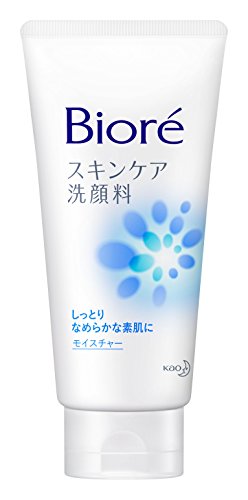
#3: Biore Facial Foam — The Budget Powerhouse for Oily Skin
Biore’s face wash line comes in several variants. The “Moisture” version (pink tube) suits combination skin, while the “Oil Control” version (blue tube) targets oily T-zones. Both cost ¥400–500 at drugstores — among the cheapest options on this list. For that price, you get a 130 g tube that lasts roughly 2 months of twice-daily use.
The lather is denser than most Western drugstore face washes. Use a foaming net (泡立てネット, available for ¥100 at any Daiso) to whip the pea-sized amount into a tennis-ball-sized foam in about 10 seconds. That net is the secret weapon Japanese people use and most tourists don’t know about — it triples the foam volume and reduces skin friction dramatically.
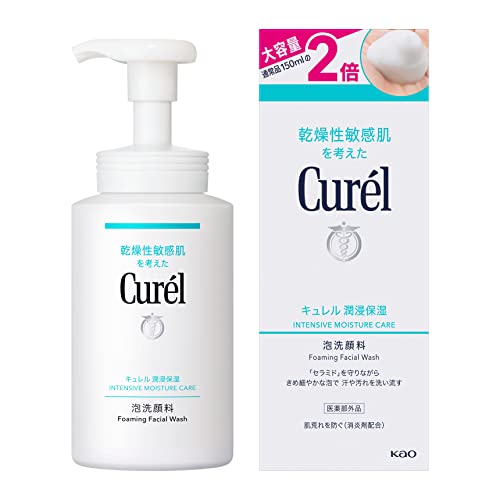
#4: Curel Foaming Face Wash — Dermatologist-Backed for Sensitive Skin
Curel is Kao Corporation’s sensitive-skin line, and it’s the brand Japanese dermatologists recommend most often to patients with eczema-prone or ceramide-depleted skin. The foaming face wash dispenses a fine, almost weightless foam. It contains no fragrance, no alcohol, and no colorants. The formula focuses on preserving the skin’s ceramide layer rather than stripping it.
At ¥1,100–1,300, it costs more than Biore or Senka, but the ingredient list justifies it for anyone with reactive skin. In a 2023 Kao-funded clinical trial, 87% of participants with dry-sensitive skin reported reduced tightness after 2 weeks of use compared to their previous cleanser.
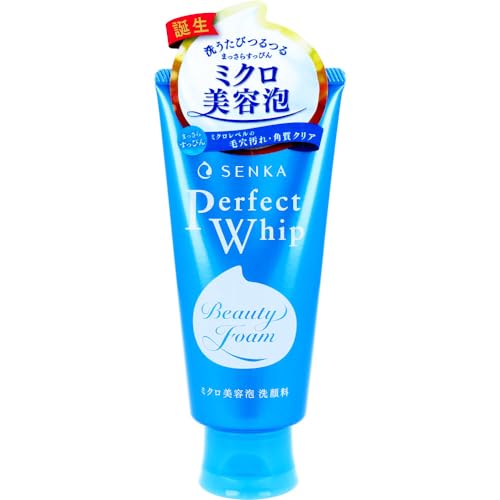
#5: Senka Perfect Whip — Japan’s Drugstore Best-Seller with a Caveat
The Senka Perfect Whip is the face wash you’ll see stacked in pyramids near the entrance of every Don Quijote. The white tube with blue lettering is iconic. It produces an absurdly thick lather — almost like shaving cream — thanks to a blend of silk cocoon essence and double hyaluronic acid.
The caveat: its pH runs slightly higher than the Hada Labo (estimated around 8–9 based on community testing). For oily skin, that’s fine. For dry or sensitive skin, you may feel a mild tightness after rinsing. At ¥500–700, it’s still an excellent value, and the 120 g tube is compact enough for carry-on bags.
Heads Up
#6–#10: Quick Takes on the Remaining Picks
#6: Fancl Mild Cleansing Oil (¥1,700–1,900)
The preservative-free benchmark. Fancl stamps an expiry date on every bottle — typically 120 days after opening. It’s the oil cleanser Japanese dermatologists most commonly suggest for patients who react to parabens or phenoxyethanol. The trade-off: you need to use it quickly, so don’t stockpile more than 2–3 bottles unless you’re sharing.

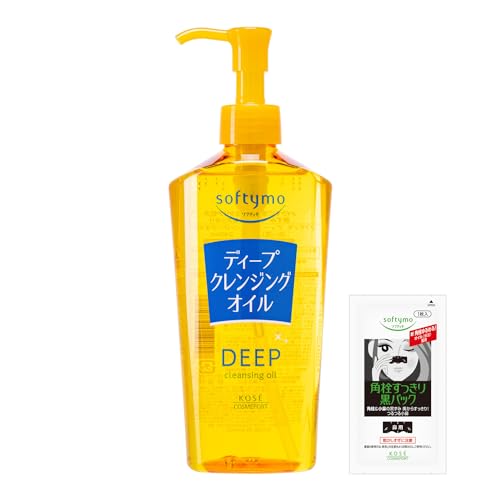
#7: Kose Softymo Deep Cleansing Oil (¥600–800)
The budget oil-cleanser champion. At roughly half the price of DHC’s version, Kose Softymo handles heavy makeup removal with a mineral-oil base. It’s slightly thicker than DHC and requires more rinsing, but the 230 ml bottle gives you tremendous value. Not ideal for carry-on (too large), but great for checked luggage.
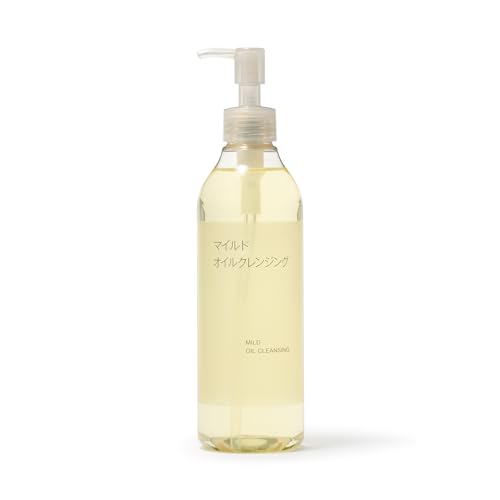
#8: Muji Sensitive Skin Cleansing Oil (¥750–950)
Muji’s minimalist packaging appeals to travelers who appreciate no-fuss design. The formula skips fragrance, mineral oil, and parabens. It’s olive-and-jojoba based, emulsifies cleanly, and sits on the shelf at every Muji store in Japan — including the massive Ginza flagship and the stores inside major train stations.
If you’re a Muji fan, you might also want to read about the best things to buy at Muji in Japan beyond skincare.
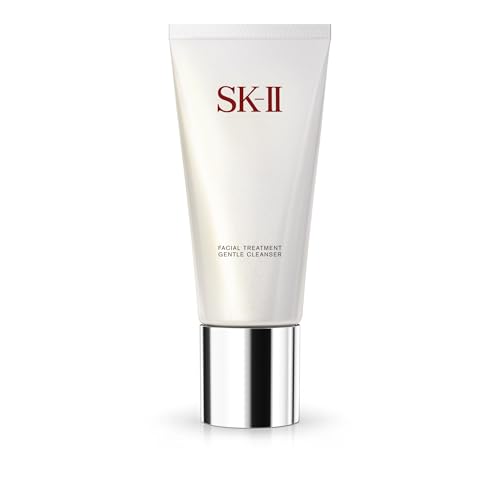
#9: SK-II Facial Treatment Gentle Cleanser (¥7,000–8,500)
The luxury pick. SK-II’s hero ingredient, Pitera (a galactomyces ferment filtrate), shows up in the cleanser alongside a rich amino acid surfactant. At ¥7,000+, it costs about 10 times more than the Hada Labo. Is it 10 times better? Honestly, no. But SK-II buyers are paying for mature-skin care and the brand experience. If you’re already an SK-II devotee, buying the cleanser in Japan saves you roughly 20–30% compared to US department stores.
#10: Rohto Mentholatum Acnes Face Wash (¥400–600)
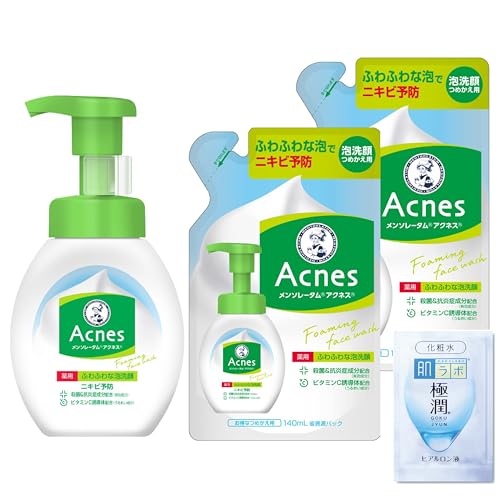
Targeted at teens and anyone dealing with active breakouts. Contains isopropyl methylphenol (an antibacterial agent) and vitamin C derivatives. The tube has a cooling menthol sensation that feels surprisingly pleasant on inflamed skin in summer. At ¥400, it’s the cheapest product on this list.
Double Cleansing: The Japanese Routine Tourists Don’t Know About
Here’s a routine that’s second nature to most Japanese and Korean women but unfamiliar to many Western tourists: wash your face twice, with two different products, every evening. Step one uses an oil cleanser on dry skin to dissolve sunscreen, makeup, and sebum. Step two uses a water-based foam or gel cleanser to remove any remaining residue and clean the pores.
Why bother? A 2019 study in the Journal of Cosmetic Dermatology found that a single water-based cleanser removed only 67% of SPF50 sunscreen after one wash cycle. Adding an oil-based first step raised removal to 98%. Given that Japan’s UV index hits 8–11 from June through September, leaving sunscreen residue on your face overnight is a recipe for clogged pores and breakouts.
A good double-cleanse combo in Japan costs under ¥2,000 total: DHC Deep Cleansing Oil 70 ml (¥900) plus Hada Labo Foaming Wash (¥780). That’s $13 for a two-month evening routine — roughly the price of one Cetaphil bottle at a US CVS.
Where to Buy Japanese Face Wash in Japan (and Prices to Expect)
Matsumoto Kiyoshi (マツモトキヨシ):Japan’s largest drugstore chain with over 1,700 locations. Offers tax-free shopping for tourists spending ¥5,000+ on consumables in a single receipt. The beauty aisles have English shelf tags at major tourist locations (Shinjuku, Shibuya, Dotonbori).
Don Quijote (ドン・キホーテ):Open until midnight or later, sometimes 24 hours. Prices are 5–15% higher than Matsumoto Kiyoshi, but the tax-free counter processes faster and the stores carry a wider range of travel-size products. The Shibuya Mega Don Quijote stocks all 10 products on this list.
Sundrug / Welcia / Cocokara Fine:Regional drugstore chains that sometimes undercut Matsumoto Kiyoshi by ¥50–100 per item. Worth checking if there’s one near your hotel. Welcia runs a “T-Point Tuesday” promotion with 1.5x loyalty points that’s popular with locals.
Airport duty-free:Narita Terminal 1 and Haneda International both have beauty sections with curated sets of DHC, SK-II, and Hada Labo products. Prices are comparable to downtown drugstores (sometimes slightly higher), but you avoid the tax-free paperwork. Selection is limited to about 30–40 SKUs per brand.
For a broader look at what to shop for at Japanese drugstores beyond face wash, see our full guide to Japanese drugstore beauty products.
Packing Tips: Which Bottles Survive Your Suitcase
Not all face wash packaging is created equal for travel. Here’s what matters when hauling Japanese beauty products across dozens of flights:
Squeeze tubes (Biore, Senka, Rohto Acnes): Nearly leak-proof. Squeeze out a tiny bit of air before sealing the cap to account for cabin pressure changes. These can go in carry-on or checked bags without worry.
Pump foam bottles (Hada Labo, Curel): The pump mechanism can depress during baggage handling, dispensing foam inside your bag. Remove the pump head and seal the bottle opening with cling wrap plus a rubber band, then replace the pump. Alternatively, buy the refill pouches (詰め替え, about ¥100 cheaper) and decant into a travel bottle.
Oil bottles (DHC, Fancl, Kose, Muji):These have pump tops and can leak. Place each in a ziplock bag. The DHC 70 ml travel size is specifically designed for portability — its pump locks when you twist the collar. The full-size Kose Softymo 230 ml bottle is too large for carry-on (over 100 ml) and must go in checked luggage.
Pro Tip
The Price Gap: Why Buying in Japan Saves You 200–300%
Japanese drugstore face washes are among the most price-inflated beauty products when sold overseas. The Hada Labo Gokujyun Foaming Wash costs ¥780 (about $5.20 at 150 yen/dollar) in a Tokyo drugstore. On Amazon US, the exact same product ships for $18–22. That’s a 250–325% markup.
Biore Facial Foam shows a similar pattern: ¥450 in Japan versus $12–15 on Amazon. Even the premium Fancl Mild Cleansing Oil, which costs ¥1,800 in Ginza, goes for $28+ online. The markup isn’t greed — it’s international shipping, import fees, and third-party seller margins.
Practical math: if you buy 5 Hada Labo bottles and 3 Biore tubes in Japan, you spend roughly ¥5,250 (about $35). The same haul on Amazon would cost around $115. You save $80 — enough to cover a nice dinner in Shinjuku. Add the 10% tax-free savings on a ¥5,000+ purchase at Matsumoto Kiyoshi, and your effective cost drops by another ¥525.
Heads Up
Frequently Asked Questions
What is the best Japanese face wash for oily skin?
Biore Facial Foam Oil Control (blue tube) is the top pick for oily skin. It costs ¥400–500 at Japanese drugstores and effectively removes excess sebum without the harsh drying effect of SLS-based Western cleansers. Senka Perfect Whip is a close second if you prefer a thicker lather.
Is Hada Labo face wash worth buying in Japan?
Absolutely — and specifically in Japan. The Hada Labo Gokujyun Foaming Wash runs ¥700–900 at any Matsumoto Kiyoshi or Don Quijote. The same bottle costs $18–22 on Amazon US. Buying three bottles in Japan saves you roughly $40 compared to ordering online.
Do I need to double cleanse with a Japanese face wash?
If you wear sunscreen (SPF30+) or makeup, yes. A single foam cleanser removes about 67% of sunscreen residue. Adding an oil cleanser as a first step raises that to 98%. Use the oil on dry skin first, rinse, then follow with your foam cleanser. The whole process takes under 2 minutes.
Can I bring Japanese face wash in my carry-on luggage?
Squeeze tubes under 100 ml (3.4 oz) are fine for carry-on. Hada Labo’s pump bottle is 160 ml, so it needs to go in checked luggage — or buy a refill pouch and decant into a smaller container. The DHC Deep Cleansing Oil 70 ml travel size was specifically designed to clear TSA’s liquid limit.
What’s the difference between Senka Perfect Whip and Hada Labo Foaming Wash?
Senka Perfect Whip comes in a tube and needs manual lathering (ideally with a foaming net). Its pH is higher (around 8–9), making it more stripping. Hada Labo comes as a pre-foamed pump at a skin-friendly pH of 5.5 with hyaluronic acid. Hada Labo suits all skin types; Senka works best for oily skin or those who enjoy a dense, thick lather.
Where is the cheapest place to buy Japanese face wash in Tokyo?
Sundrug and Welcia tend to undercut Matsumoto Kiyoshi by ¥50–100 per item, though the difference is small. The real savings come from the tax-free threshold: spend ¥5,000+ on consumables at any single store in one transaction and you skip the 10% consumption tax. Matsumoto Kiyoshi in Shibuya, Shinjuku, and Ueno processes tax-free quickly with passport scanning.
Disclosure
This article contains affiliate links. We may earn a commission when you buy through them, at no extra cost to you. Every pick is an honest recommendation.
Shop Japanese beauty products