

Japan Drugstore Shopping List — 20 Things Worth Buying at Matsumoto Kiyoshi
Updated April 2026 · 12 min read
Japan Shop Helper Editorial
Tokyo-based · prices & fees verified on real orders
Japanese drugstores are not like drugstores anywhere else. They’re closer to Sephora crossed with a pharmacy crossed with a dollar store — except the products actually work.
The big three chains you’ll encounter: Matsumoto Kiyoshi (the yellow-and-black giant, 3,400+ stores nationwide), Sundrug (slightly cheaper on average, great private-label range), and Don Quijote (the chaotic 24-hour discount warehouse that stocks everything from skincare to camping gear at 3am).
You can spend ¥5,000 and walk out with a haul that would cost three times that at a Western equivalent. This list covers the things that are genuinely worth the bag space — plus a few things tourists waste money on that you can skip.
All prices are approximate in-store. Don’t forget Japan’s 10% consumption tax on most items, though many drugstores post tax-inclusive prices already.
Which store should you visit?
| Store | Price Level | Tourist-Friendly | English Labels | Where to Find |
|---|---|---|---|---|
| Matsumoto Kiyoshi | ★★★ Medium | ★★★★★ | Many products | Every major city & station |
| Sundrug | ★★ Low–Medium | ★★★★☆ | Some | Nationwide |
| Don Quijote | ★★ Low | ★★★★☆ | Few | 24hr, tourist districts |
| Welcia | ★ Cheapest | ★★★☆☆ | Rare | Suburban areas |
| Kokumin | ★★★ Medium | ★★★☆☆ | Some | Osaka / Kansai |
Tourist-friendliness reflects English signage, staff familiarity with foreign visitors, and tax-free counter availability.
What’s worth buying — price guide by category
| Category | Price Range | Top Brands | Notes |
|---|---|---|---|
| Sunscreen | ¥800–2,500 | Bioré UV, Anessa, Shiseido | Best purchase in Japan |
| Skincare (toner / serum) | ¥700–1,500 | Hada Labo, Melano CC, Naturie | Far cheaper than home |
| Sheet Masks | ¥50–200 each | LuLuLun, Kosé Clear Turn | Buy in box packs of 30+ |
| Lip Care | ¥500–900 | DHC Lip Cream | Buy 2–3, great gifts |
| Hair Care | ¥700–1,200 | Moist Diane, LUX Japan | JP formula differs from global |
| Makeup | ¥700–1,500 | Canmake, OPERA, Heroine Make | Drugstore quality is high |
Prices are approximate in-store at Matsumoto Kiyoshi / Sundrug. Tax-inclusive prices shown at most stores.
Skincare: cleansers & toners
Japanese skincare is built around a simple principle: remove everything, then restore moisture. The cleansing step in particular is taken seriously in a way that Western drugstores haven’t caught up to. See the full 7-step J-Beauty routine if you want the order to layer everything below.
Senka Perfect Whipis the cleanser you’ll see recommended everywhere, and the hype is justified. It’s a foaming cleanser that produces a dense, pillowy lather from a tiny pump. Leaves skin clean without that tight, stripped feeling. About ¥700 for 120g.
SENKA Perfect Whip is Japan's most iconic facial cleanser — the rich, creamy foam has been a bathroom staple across Asia for years. The silk cocoon essence leaves skin clean but never stripped. You've probably seen this in every Japanese drugstore.
For toners, Hada Labo Gokujyun Lotionis the benchmark. “Lotion” in Japanese skincare means toner — a lightweight, water-based hydrating step, not the astringent stuff. Hada Labo’s formula is five types of hyaluronic acid layered for deep hydration. Around ¥900 for 170ml, or grab the pump bottle version for ¥1,500.
Hada Labo Gokujyun is the most famous J-beauty lotion in the world. Five types of hyaluronic acid deliver intense hydration that plumps skin visibly. If you buy ONE Japanese skincare product, this should be it. Beauty editors worldwide agree.
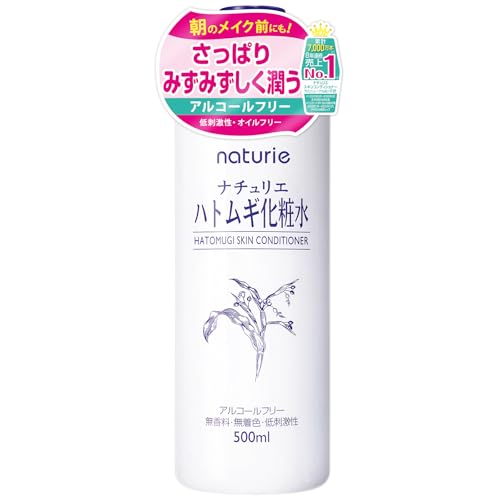
If you want one multitasking product, Naturie Hatomugi Skin Conditionerdoubles as a toner and body lotion. It’s a cult favorite for a reason: lightweight, hydrating hatomugi (job’s tears) extract in a massive 500ml bottle for around ¥600 in-store. Outstanding value — and the same 500ml lotion is linked below if you’d rather order it on Amazon Japan.
While you’re in the vitamin C aisle, pick up Melano CC Essence. It’s a vitamin C serum in a dropper bottle that targets dark spots and uneven tone. ¥1,000 range. It doesn’t have the prestige of a department store brand but the formulation is solid and the price-to-efficacy ratio is hard to beat.
Japan's #1 vitamin C serum at a fraction of Western prices. Targets dark spots, acne scars, and uneven skin tone. The tube design keeps the vitamin C stable and potent. A skincare cult classic that tourists stock up on — buy multiple, you'll want backups.
Sunscreen — this is the main event
Japan makes the best sunscreen in the world. This is not hyperbole. The country’s cosmetic industry has been innovating on UV filters and lightweight textures for decades while most Western markets were still stuck with the same heavy, greasy formulas from the 1990s.
The key difference is Japan uses UV filters not available in the US — including Uvinul A Plus and Tinosorb S — which allow both strong broad-spectrum protection and textures so light they feel like water. SPF 50+ PA++++ is standard on the shelf. A drugstore sunscreen here outperforms a luxury brand product back home.
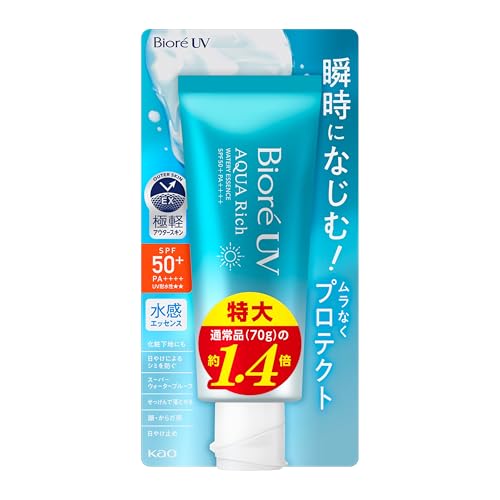
Bioré UV Aqua Rich Watery Essenceis the one that converted an entire generation of skincare enthusiasts. It’s SPF 50+ PA++++, applies like a serum, and has zero white cast. Around ¥1,200 for 70g. Buy two.
Anessa Perfect UV Sunscreenfrom Shiseido’s sub-brand is the one for outdoor and active use. The gold bottle with SPF 50+ PA++++ is water-resistant, sweat-resistant, and doesn’t pill under makeup. Costs a bit more at ¥2,000–2,500 but it’s the serious option if you’re spending time at the beach or hiking.
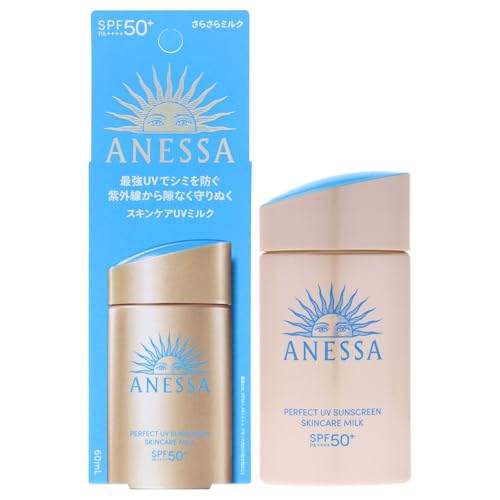
For a premium pick that leans more cosmetic, Shiseido Anessa Perfect UV Skin Care Milkand the main Shiseido sunscreen line sit at the ¥2,500–3,500 range and offer a more elegant skin-care-meets-sunscreen finish. Worth it if your skin is on the drier side.
Japanese sunscreen technology is the best in the world, and Shiseido Anessa is the gold standard. Unlike heavy Western sunscreens, this feels lightweight and invisible on skin while providing maximum SPF50+ protection. Walking around all day in Japanese summer without this is asking for a painful sunburn.
Pro Tip
Want a deeper comparison of every Japanese sunscreen worth buying? Read the full Japan Sunscreen Buying Guide →

Face masks
Sheet masks are where Japan genuinely pioneered a format the world copied. The sheet fit is better, the essence quality is higher, and the price is absurdly reasonable.
LuLuLunmasks come in boxes of 32 or 36 for around ¥1,500. That’s under ¥50 per mask. They’re formulated for daily use — gentler essence, less drip, designed for consistent use rather than a once-a-week treatment. The pink box (moisturizing) is the best starting point.
After a long day of walking 20,000+ steps around Japanese cities, your skin needs serious hydration. LuLuLun is Japan's #1 selling sheet mask — affordable, high-quality, and available everywhere. A box of 36 means you have one for every night of your trip.
Kosé Clear Turn Essence Maskis the step-up option. Individual masks for ¥150–200 each, denser essence, slightly more luxurious feel. They have targeted variants for brightening, pore care, and mature-skin care. Worth grabbing a few of the individual packets to try different formulas.
A 50-sheet box of vitamin C-enriched face masks at a price that would barely buy you 5 sheets overseas. KOSE Clear Turn is a Japanese drugstore staple for brightening and hydrating skin. One mask every night of your trip will transform your skin.
Regional flavors are a thing with masks too — Kyoto has green tea and sake variants, Hokkaido has milk extract versions, Okinawa has shikuwasa citrus options. These sell well as gifts because they’re flat, light, and clearly Japanese.
One more thing from the mask aisle that isn’t skincare at all: MegRhythm steam eye masks. These disposable masks self-warm to around 40°C and hold it for about 20 minutes — the closest thing to a hot towel over your eyes that fits in a seat pocket. They’re a jet-lag and long-flight favorite, and single boxes run just a few hundred yen in-store.

Lip care
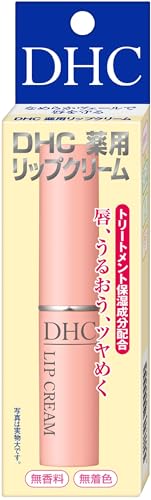
DHC Lip Cream is one of those products that gets recommended so often it almost feels like a cliché — except it keeps being recommended because it works. It’s a clear balm made with olive oil and vitamin E that repairs and protects. About ¥700 for the 1.5g tube.
For tinted options, the Shiseido Integrate and Cand ydoll brands sit next to DHC in most drugstores. They’re more seasonal and limited-run, so browse the display when you’re in-store.
Makeup: mascara, liner & blush
Japanese makeup is built around a different beauty standard — emphasis on clean skin, natural brows, and eye definition rather than contouring or heavy coverage. The formulations reflect this.
Heroine Make Long & Curl Mascarais the drugstore mascara that beauty editors keep reaching for. Tubing formula (wraps individual lashes rather than coating them), which means it doesn’t smudge and comes off cleanly with warm water — no cotton pad needed. About ¥1,200.
Japan's best-selling waterproof mascara — and for good reason. It survives Japanese summer humidity, crying at weddings, and even onsen steam. The curved brush is designed specifically for Asian lash angles. Getting this in Japan costs half the import price.
OPERA Sheer Matte Lipstickis the lip tint that started its own category. The “Lip Tint N” version in particular has a thin, lip-stain quality that stays for hours. The shades lean natural — mauves, corals, and MLBB tones. Around ¥1,500.
OPERA's Lip Tint is a cult favorite in Japan — the sheer, buildable color gives a natural 'just-bitten' look that's perfect for everyday wear. The oil-based formula keeps lips moisturized all day. A must-buy from Japanese drugstores.
Canmake Cream Cheekis a pressed cream blush that’s been a bestseller for years. It applies easily with fingertips, blends without looking streaky, and stays put. ¥700 range and the shade range is genuinely flattering across skin tones.
CANMAKE is Japan's beloved budget cosmetics brand, and this cream blush is their bestseller. Beautiful, natural-looking color that lasts all day. At under ¥700, it's the ultimate Japanese beauty bargain.
Pro Tip
Hair care
Japanese hair care is dominated by a few brands you can actually find abroad (Pantene, Lux), but the local formulations are different — typically lighter silicones, more focus on shine and frizz control, and less sulfate-heavy.
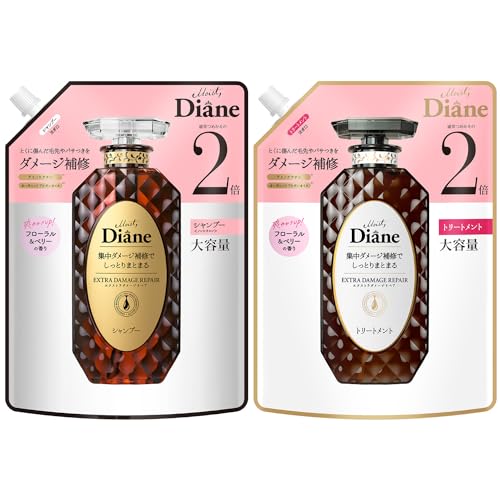
Moist Diane Perfect Beauty Extra and LUX Super Rich Shineare the ones that come up consistently in travel forums. Both are under ¥1,000 for the standard bottles in-store, and both are considerably more pleasant to use than the global versions. On Amazon Japan they typically sell in refill or multi-bottle formats — LUX as a 560g refill pouch, Diane as a shampoo-and-treatment two-bottle set — so the linked prices differ from the single-bottle shelf price.
For treatment, look for hair masks in single-use sachetsnear the checkout at any Matsumoto Kiyoshi. Brands like Moist Diane and Schwarzkopf Japan have ¥200–400 single-use packets. These are excellent for the journey home when your hair needs a reset after two weeks of trying every product in every hotel bathroom.
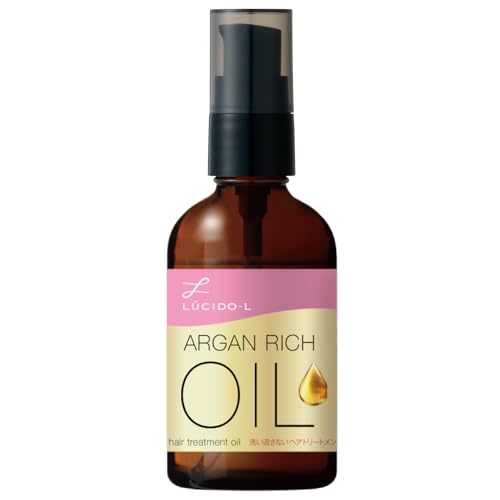
If you have coarser or curlier hair, Lucido-L Argan Rich Oilis the local pick for frizz control. A few drops on damp hair before drying, and the results are noticeably smoother.
Heads Up
Nail tools
This is where Japan punches above its weight in a category most people don’t think about. Japanese nail tools — clippers, files, and cuticle pushers — are made to a standard that’s simply higher than most Western equivalents.
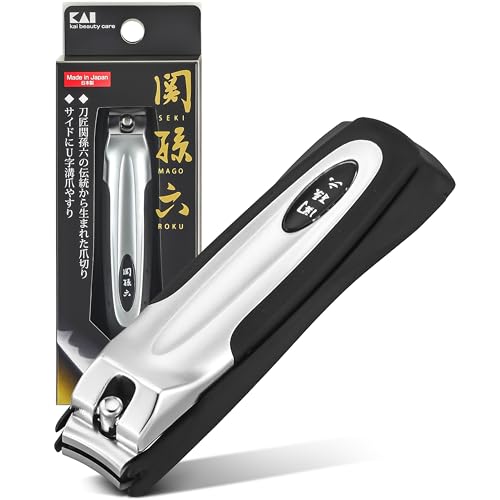
Kai Corporation nail clippersare the benchmark. Kai has been making blades in Japan since 1908 and their nail clippers have the cleanest cut of any tool in the drugstore aisle. No crushing or tearing, just clean edges. Around ¥800–1,500 depending on size and style. They last for years.
Glass nail files (sold under several brand names for ¥500–800) are the other nail item worth grabbing. Unlike metal or cardboard files, glass files don’t fray the nail edge, can be washed clean, and last indefinitely if you don’t drop them.
What not to buy at a drugstore
The reputation of Japanese drugstores sometimes leads tourists to spend money on things that aren’t actually good deals. A few to skip:
Toothbrushes.Japanese toothbrushes (small head, soft bristles) are fine but not meaningfully better than what you can get anywhere. They’re not worth valuable bag space. The electric toothbrush accessories are also a bad buy — Japan uses a different voltage and many of them won’t work with a travel adapter.
Vitamins and supplements.Japanese supplement brands like Fancl are well-regarded, but they’re expensive at drugstores — ¥2,000–4,000 for a month’s supply of basic vitamins. You can find the same formulations cheaper on Amazon Japan with delivery to your hotel. The in-store price is not a deal.
OTC medications.Japanese OTC cold medicine and pain relief have different formulations than Western equivalents. Some travelers buy Loxonin (an NSAID not sold OTC in the US) or Eve (ibuprofen), which are fine products, but unless you specifically need these, buying drugstore meds in a foreign country when you can’t easily read the label is unnecessary risk. Fill your medicine kit before you leave home.

How to find what you’re looking for
Japanese drugstores are not organized for tourists. Signs are in Japanese. Staff usually don’t speak English. Shelves can look overwhelming, especially in a large Matsumoto Kiyoshi with three floors.
The single most useful tool: Google Lens.Open Google Maps on your phone, tap the camera icon, and point it at any Japanese text. It translates in real time through the viewfinder. This works on shelf labels, product packaging, price tags, section signs — everything. You don’t need a translation app; the Google Maps camera handles it.
For finding specific products: screenshot the product name or brand from this list before you go. Showing your phone screen to a staff member works reliably. Japanese retail workers are accustomed to phone-based communication with tourists and will read the image or walk you to the product without hesitation.
Store layout generally follows: skincare and sunscreen on the main floor near the entrance; hair care in the middle; makeup near the checkout counters; nail tools in a small side section. Oral care, supplements, and medications are usually toward the back or on upper floors.
Tax-free shopping is available at most major drugstores for purchases over ¥5,000. Bring your passport. The process takes 5–10 minutes at the tax-free counter and saves you 10% immediately.
Pro Tip
Frequently Asked Questions
Which Japanese drugstore chain should tourists visit?
Matsumoto Kiyoshi is the most tourist-friendly chain, with English on many products and locations in every major city and station. Sundrug tends to be slightly cheaper with a strong private-label range, while Don Quijote is the chaotic 24-hour discount warehouse found in tourist districts. Welcia is the cheapest of the big chains but has rare English labeling and sits mostly in suburban areas.
Is the sunscreen sold in Japan really that different from what I can buy at home?
Yes, meaningfully so. Japan uses UV filters not available in the US, including Uvinul A Plus and Tinosorb S, which allow strong broad-spectrum protection with textures so light they feel like water, and SPF 50+ PA++++ is standard on the shelf. Bioré UV Aqua Rich Watery Essence runs around ¥1,200 for 70g, while the water-resistant Anessa Perfect UV costs ¥2,000–2,500.
How much should I budget for drugstore shopping?
Budget roughly ¥5,000–8,000 for a solid skincare and sunscreen haul: two sunscreens, a cleanser, a toner, DHC lip cream, and a box of sheet masks. If you’re adding makeup items, add another ¥3,000–5,000. Go in with a list, because it’s easy to overspend when everything looks useful and nothing costs much individually.
What should I avoid buying at a Japanese drugstore?
Skip toothbrushes and electric toothbrush accessories, since the toothbrushes aren’t meaningfully better and the accessories often won’t work with Japan’s different voltage. Vitamins and supplements like Fancl run ¥2,000–4,000 for a month’s supply in-store and are cheaper on Amazon Japan. OTC medications are also better handled by filling your medicine kit before you leave home, since the labels are hard to read.
How do I find products and read labels if I don’t speak Japanese?
Open Google Maps on your phone, tap the camera icon, and point it at any Japanese text to translate shelf labels and packaging in real time. You can also screenshot a product name from this list and show it to staff, who are used to phone-based communication with tourists. Tax-free shopping is available at most major drugstores on purchases over ¥5,000 with your passport, saving you 10% immediately.
Disclosure
This article contains affiliate links. We may earn a commission when you buy through them, at no extra cost to you. Every pick is an honest recommendation.
Shop Japanese beauty products