

Tokyo Antenna Shops Guide 2026: Buy Every Region’s Omiyage Without Leaving the City
Updated July 2026 · 11 min read
Japan Shop Helper Editorial
Tokyo-based · prices & fees verified on real orders
Here’s the shopping hack most visitors never learn: you don’t need to travel to Hokkaido, Okinawa, or Hiroshima to buy their famous sweets and specialties. Almost every Japanese prefecture runs an official antenna shop(アンテナショップ) in central Tokyo — a storefront selling that region’s food, sweets, sake, and crafts, staffed by people who know the products. String a few together on one afternoon and you can taste and shop the whole country. This guide maps where they cluster, what each is known for, and the one edible to buy at each.
Pro Tip
Yurakucho: The Densest Cluster
The Tokyo Kotsu Kaikanbuilding by Yurakucho Station is antenna-shop central, housing several prefectures under one roof — Hokkaido, Toyama, Osaka, Kochi and more — with additional shops scattered in the surrounding blocks toward Ginza. It’s the single most efficient stop if you only have time for one.
The star is Hokkaido’s Dosanko Plaza, reliably one of Tokyo’s busiest antenna shops. Hokkaido’s dairy makes it Japan’s sweets powerhouse, and the obvious buy is Shiroi Koibito— Ishiya’s white-chocolate langue de chat cookies, the definitive Hokkaido souvenir and a genuine crowd-pleaser.
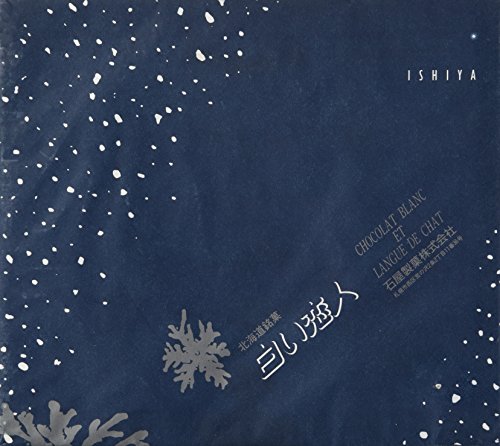
For a step up in the same shop, look for Rokkatei’s Marusei Butter Sandwich— the rum-raisin butter-cream biscuit that Japanese travelers rate as the connoisseur’s Hokkaido pick over the more famous cookies.

Also in the Yurakucho cluster is Toyama’s shop, where the buy is the prefecture’s prized white shrimp in cracker form — the savory antidote to a sweets-heavy haul.

Ginza: Okinawa, Hiroshima, Nagano & More
A short walk toward Ginza brings several of the best individual shops. Washita Ginzais Okinawa’s outpost, packed with island foods, awamori, and the tropical products that feel a world away from the mainland. The signature sweet is the beniimo tart, made from Okinawa’s vivid purple sweet potato.

Hiroshima’s TAUis one of Ginza’s largest antenna shops, spanning several floors of food, sake, Carp baseball goods, and a restaurant. The must-buy is momiji manju— the maple-leaf-shaped cakes that are Hiroshima’s signature sweet, here in an assortment of fillings.

Nearby, Ginza NAGANOrepresents the Japanese Alps, with the region’s apples, wine, soba, and sweets. The refined pick is Raicho no Sato, the cream-filled wafer named for the alpine ptarmigan.

Nihonbashi & the Rest of Japan
The Nihonbashiarea hosts another cluster — Mie, Nara, Shimane, Fukushima, Niigata and others — skewing toward the traditional and the craft-forward. From Niigata, Japan’s rice country, the buy is the original kaki no tane: the crescent-shaped rice crackers that are the nation’s favorite savory snack, from the maker that invented them.

For the Tohoku regions, look for Iwate’s Kamome no Tamago — the “seagull egg” confections of sweet white bean, castella, and white chocolate that have been a northern classic since 1933.

The Kansai and western shops cover Kyoto and Kyushu. For Kyoto without a single perishable item, a shelf-stable Uji matcha sweets box is the elegant choice; and from Nagasaki, the timeless castella honey sponge cake.


How to Shop the Antenna Shops
A few practical notes. These are working retail shops, not tourist attractions, so prices are normal domestic retail — no markup, but no discount either, and tax-free service is hit-or-miss at the smaller shops, so ask before assuming. Most cluster within a 15-minute walk in the Yurakucho–Ginza corridor, making a self-guided crawl easy. And because they sell far more than sweets — regional sake, produce, condiments, ceramics, and prepared foods — they’re also the best place to find unusual pantry gifts you won’t see in a department store.
Heads Up
Quick Reference: Shops by Area
| Region / Shop | Tokyo Area | Signature Buy |
|---|---|---|
| Hokkaido (Dosanko Plaza) | Yurakucho | Shiroi Koibito / Marusei butter sand |
| Toyama | Yurakucho | Shiro Ebi Beaver crackers |
| Okinawa (Washita Ginza) | Ginza | Beniimo tart |
| Hiroshima (TAU) | Ginza | Momiji manju |
| Nagano (Ginza NAGANO) | Ginza | Raicho no Sato |
| Niigata | Nihonbashi | Naniwa-ya kaki no tane |
| Iwate / Tohoku | Nihonbashi / Ginza | Kamome no Tamago |
| Kyoto | Various | Uji matcha sweets box |
| Nagasaki / Kyushu | Various | Castella |
Antenna Shop Crawl Checklist
Frequently Asked Questions
What exactly is an antenna shop?
A prefectural antenna shop is an official storefront a Japanese region runs in Tokyo to sell and promote its food, sweets, sake, and crafts. The name comes from the idea of the shop acting as an “antenna” for the region’s products in the capital. Most prefectures have one, and they’re a locals’ secret for buying regional specialties without traveling.
Where are most of the antenna shops located?
The densest concentration is the Yurakucho–Ginza corridor, anchored by the Tokyo Kotsu Kaikan building next to Yurakucho Station, which houses several prefectures at once. More cluster around Ginza (Okinawa, Hiroshima, Nagano) and Nihonbashi (Mie, Nara, Shimane, Niigata). You can walk between most of them in under 20 minutes.
Are antenna shops cheaper than department stores?
Prices are normal domestic retail — no premium, but no bargain either. The value is selection and authenticity: you get the actual regional products at the price locals pay, often including items a Tokyo department store wouldn’t stock. For gift-wrapping and prestige brands, a depachika still wins; for regional range, the antenna shops do.
Can I get everything at an antenna shop, or should I order online too?
The shops are ideal for browsing, tasting, and buying on the spot, but stock rotates and popular items sell out. For anything you want to guarantee — or to avoid carrying heavy boxes between cities — Amazon Japan lists the shelf-stable versions of most of these sweets for hotel delivery. Many travelers do both: browse the shops, then order the essentials online.
Do antenna shops sell more than sweets?
Much more — regional sake and shochu, local produce and condiments, ceramics and crafts, frozen and prepared foods, and often a small food counter with that region’s soft-serve, ramen, or tasting menu. They’re one of the best places in Tokyo to find unusual pantry and craft gifts, not just boxed sweets.
For the sweets themselves in depth, see our regional omiyage guide and its hidden-gem sequel; for the big-store alternative, our department store shopping guide covers depachika food halls.
Disclosure
This article contains affiliate links. We may earn a commission when you buy through them, at no extra cost to you. Every pick is an honest recommendation.
Planning to buy from Japan?