

Japanese Stationery Brands Worth Buying — Pens, Notebooks, and Erasers That Are Actually Better
Updated April 2026 · 12 min read
Japan Shop Helper Editorial
Tokyo-based · prices & fees verified on real orders
Japanese stationery isn’t hype. The pens write better, the notebooks feel better, and the erasers actually erase. These aren’t marginal differences — they’re the kind you notice on the first line you write.
This is a country that has dedicated multi-story stationery stores. Itoya in Ginza is twelve floors of paper and pens. Loft and Tokyu Hands devote entire sections to mechanical pencils, washi tape, and notebook accessories that don’t exist anywhere else. The attention to craft that Japan applies to food and electronics it also applies to a ¥150 gel pen.
If you’re visiting Japan or ordering online, this is what’s worth your money — and what to skip.
Gel ink pens: the three brands everyone buys
Japanese gel pens are what converted a generation of people who swore they didn’t care about pens. The ink flows smoothly at widths most Western manufacturers don’t even offer. The 0.38mm nib — finer than almost anything sold outside Japan — is the default, not a specialty option.
Uni-ball Signo (Mitsubishi Pencil)— The reference point. The 0.38mm Signo RT1 is what people mean when they say Japanese gel pens are different. Dark, consistent line. Almost no bleed-through on standard paper. The retractable version has a clip that actually holds its shape.
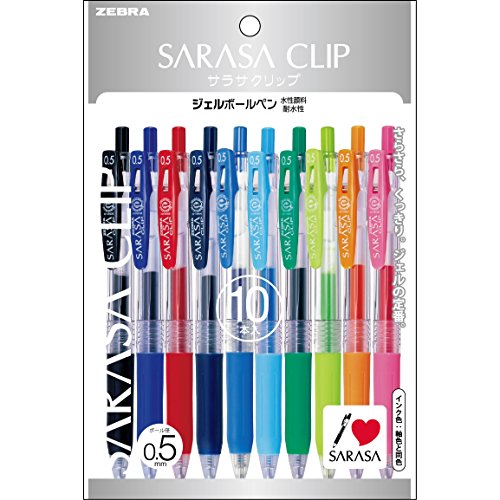
Zebra Sarasa Clip— The one with the better clip mechanism and the brighter colors. If you take notes in multiple colors, the Sarasa lineup has 80+ options. The “Grand” version has a metal barrel if you want something that doesn’t feel disposable.
Pilot Juice— Slightly wetter than the Signo, which some people prefer for longer writing sessions. The 0.38mm black is most popular but the colored inks are exceptional — deep, saturated, and consistent. The Juice Up upgrade has higher density ink and holds up even longer.



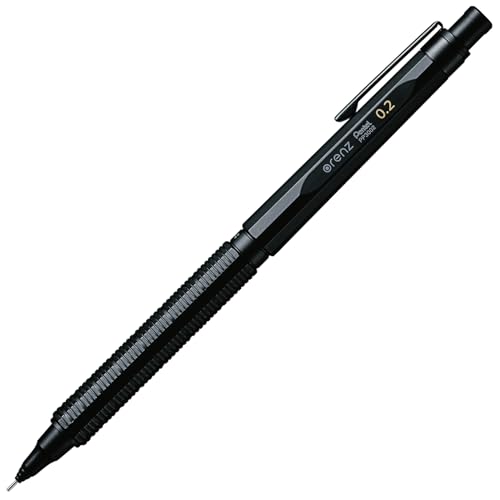
Gel pens get the attention, but Japanese mechanical pencils are just as far ahead — and one model in particular has a genuine cult following.
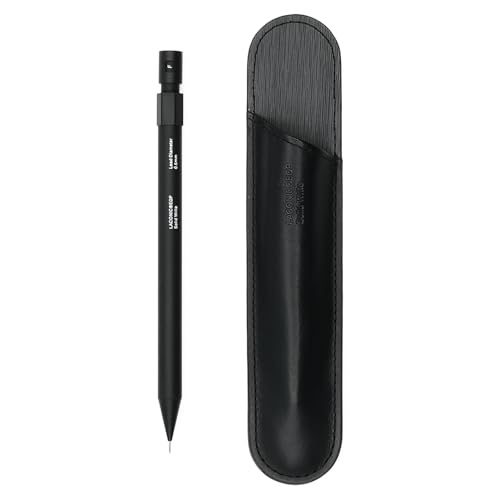
At the design end of the mechanical pencil spectrum sits Laconic, a small Tokyo stationery brand you’ll find at Itoya and Loft rather than in any Western catalog.
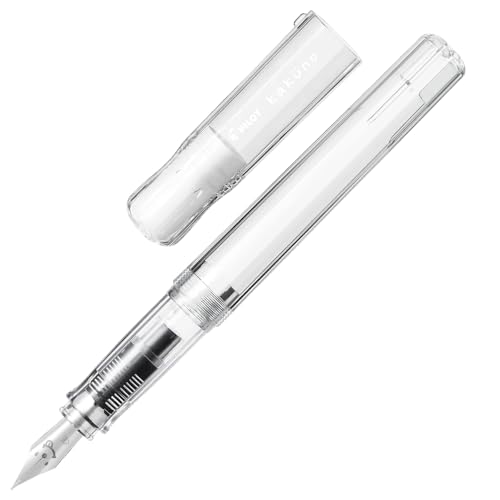
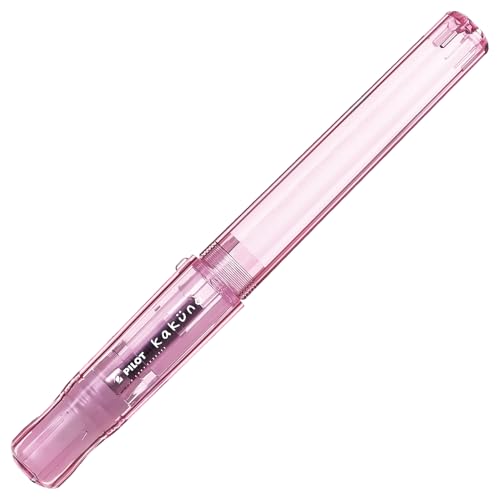
Fountain pens for beginners: start with the Pilot Kakuno
Most people who think they don’t like fountain pens have only tried cheap European ones or expensive vintage ones with difficult feeds. Japanese fountain pens from Pilot are a different experience: fine nibs, smooth flow, no skipping.
The Pilot Kakuno is the textbook beginner’s fountain pen. It was designed for children learning to write in Japan, which means the grip is ergonomically perfect and the nib is forgiving. The smiley face engraved on the nib tells you when you’re holding it correctly. At ¥1,000, it’s cheaper than a single Starbucks drink abroad.
It uses standard Pilot cartridges, which are widely available, or you can use a converter for bottled ink. If you want to try fountain pens without committing to a ¥15,000 Pilot Custom 74, the Kakuno is the right call.
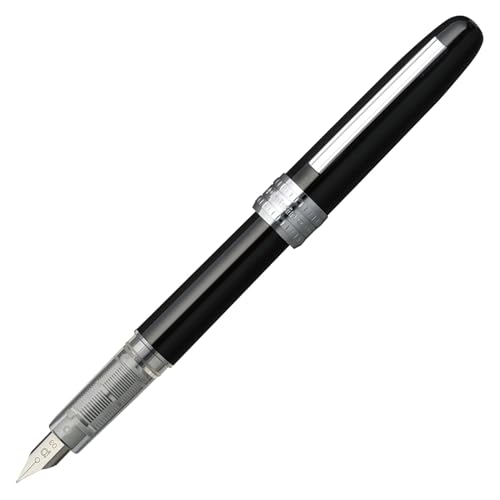
If you want one step up from the Kakuno without leaving budget territory, Platinum’s answer is the Plaisir — an aluminum-bodied pen with one genuinely clever trick.
Erasable pens: the Pilot FriXion
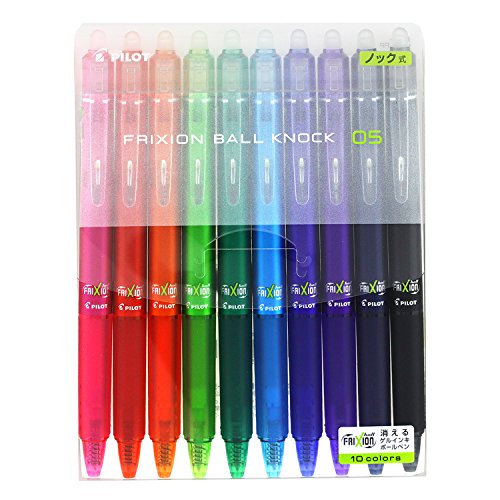
The FriXion is the pen everyone buys on their first trip to a Japanese stationery store. The ink disappears with heat from friction. You write, you erase, the page stays clean. No smudge, no gray residue, no torn paper.
Western versions of the FriXion exist, but the Japanese lineup is wider: 0.38mm, 0.5mm, 0.7mm. Colors include muted tones — olive green, steel blue, brick red — that the international range doesn’t carry. The FriXion Ball Slim 0.38mm is the version stationery people specifically hunt for at Loft.
One real caveat: the ink is heat-sensitive, so writing disappears if left in a hot car or direct sunlight. And it reappears if you freeze the paper. Not ideal for contracts. Perfect for everything else.
Pro Tip
Notebooks: Kokuyo, Midori, and MUJI
Japanese notebooks are defined by the paper quality. The default paper in a Japanese stationery store handles gel ink, fountain pen ink, and even brush markers without bleed-through. This is not standard — most Western notebooks fail this test.
Kokuyo Campus— The ubiquitous Japanese student notebook. Dotted rule version is particularly popular with bullet journalers. The paper is cream-white and takes ink exceptionally well. A B5 Campus notebook costs about ¥180.
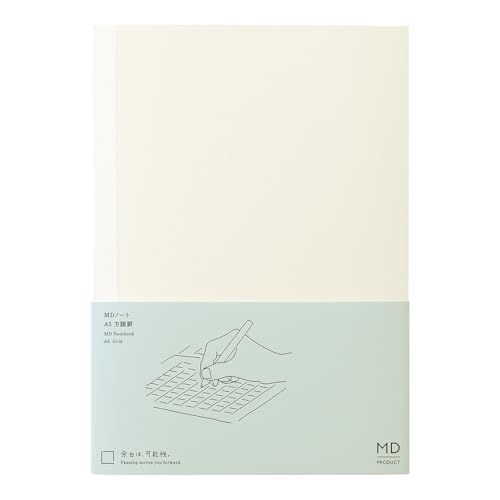
Midori MD Notebook— Cream paper, MD cotton blend, thread-sewn binding that opens flat. Midori notebooks are the ones stationery enthusiasts display on Instagram. They’re genuinely that good. The A5 grid version is the most versatile.
MUJI— Understated, consistent, and cheaper than Midori. MUJI notebooks use recycled paper with a slightly warm tone. Good with ballpoint and pencil, acceptable with gel ink. Buy them at MUJI directly — the tourist markup at airport shops is real.
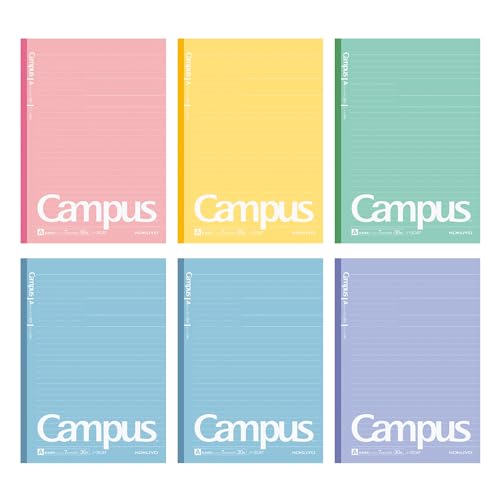

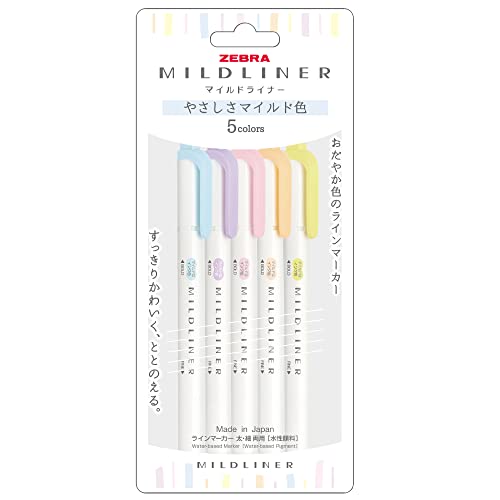
And if you’re picking up a dotted Campus for bullet journaling, add the highlighters behind the whole studygram aesthetic.
Erasers: Japan makes the best in the world, and it’s not close
This is the category where the quality gap is most obvious. A ¥200 Japanese eraser outperforms a $5 European one. The two main reasons: polymer formulation that lifts graphite rather than smearing it, and precision design that allows for clean erasing in tight spaces.
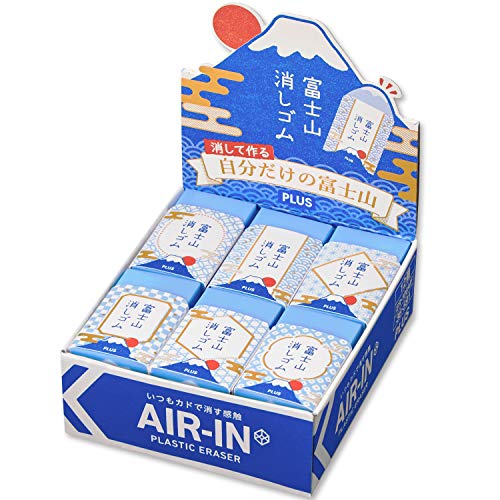
Plus Air-In— The eraser most Japanese stationery people recommend first. The foam-air structure reduces friction, so paper doesn’t pill or curl. Leaves almost no debris. Erases completely in one pass where most Western erasers need three.
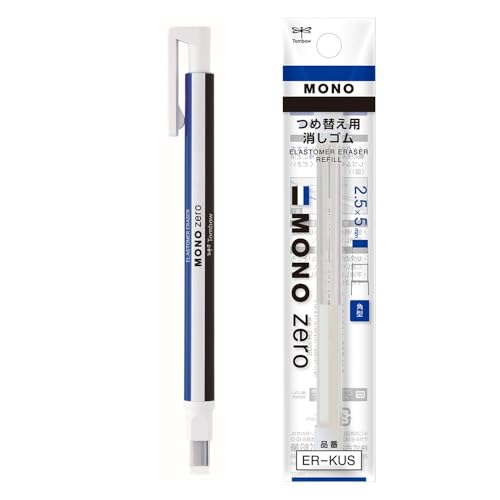
Mono Zeroby Tombow — A mechanical eraser with a 2.3mm tip for precision erasing. Used by architects, illustrators, and students who need to erase one digit without touching the numbers around it. Available in round and rectangular tip. The rectangular one is generally more useful.
Sakura Coupy colored pencils: the sleeper pick
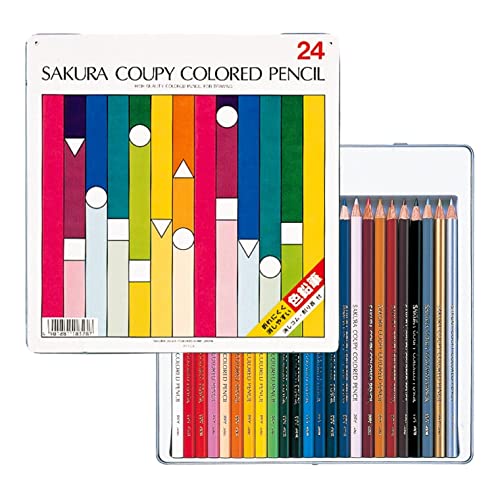
Coupy Pencils are technically colored pencils, but the lead is made entirely from pigment — there’s no wood casing, no wax filler. The entire pencil is the color. This means they don’t need sharpening (just peel the paper sleeve), the color is vibrant without pressing hard, and they clean off hands without staining.
They’ve been a staple in Japanese elementary schools since 1973. Artists use them for layering and blending in ways normal colored pencils don’t allow. The 24-color set covers everything from pastels to saturated primaries with no duplicates.
The 24-color set retails for about ¥900 in Japan. In the US the same set is $20+. This is one of those items where buying from Japan directly saves you real money.
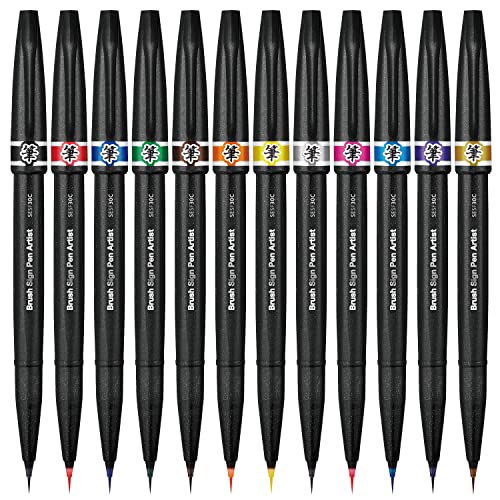
In the same art-supply lane, Pentel’s brush pens are the standard entry point into Japanese brush lettering.
Where to buy in Japan
Loft— The most practical option. Every major city has one. Stationery section is large, well-organized, and carries the full lineup from all major brands. Staff can help you find specific items. The FriXion 0.38mm color range lives here.
Tokyu Hands— Similar to Loft but with deeper craft supplies and a better washi tape selection. If you want specialty inks, refills for niche pen models, or paper by the sheet, Tokyu Hands will have it when Loft doesn’t. The Tokyo Shibuya and Shinjuku locations are the best stocked.
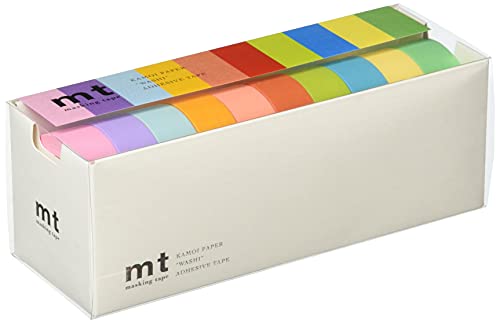
Speaking of washi tape — if you only buy one thing from that section, make it the brand that invented the category.
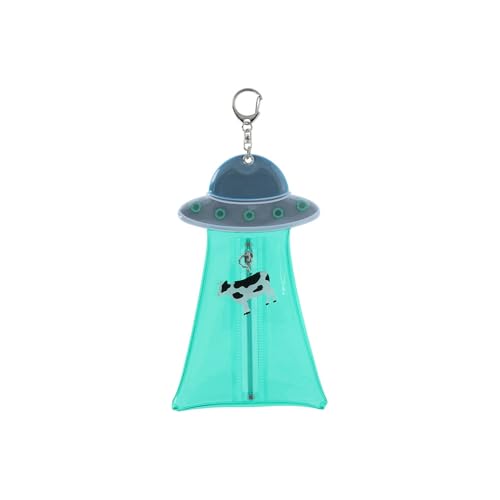
The other Loft-register impulse buy worth giving in to is the flat pen pouch everyone films for social media — and then keeps using long after the novelty wears off.
Itoya, Ginza— The destination for serious stationery people. Twelve floors. Fountain pens on multiple floors, papers sourced from mills across Japan, custom printing services. You could spend three hours and not see everything. Ground floor is accessible and has the most popular items.
Amazon Japan— For everything else, or if you’re not visiting Japan. Prices are close to retail, selection covers almost the full range of mainstream brands, and international shipping is available on most stationery items. The multi-packs are significantly cheaper per unit than buying individual items.
Pro Tip
What to skip
Tourist shops near Sensoji, Fushimi Inari, and around Akihabara sell “Japanese stationery sets” at 2–3x normal retail. The products are real, but the packaging is tourist-grade: inflated prices, weaker selection, and sizes not sold at regular stores (which is how they justify the markup).
“Premium gift sets” of gel pens at airports are the main trap. A set of 10 FriXion pens for ¥3,500 at Narita is the same pens you can buy at Loft for ¥220 each — ¥2,200 total. You’re paying ¥1,300 for a box and a ribbon.
Calligraphy sets marketed to tourists — the ones with a nice box and a sample ink stick — are generally low-quality brushes with cheap ink. If you want real calligraphy supplies, ask at Loft or a dedicated bunchougu (stationery) shop. The tourist version isn’t what Japanese calligraphers use.
Heads Up
How much to budget
Stationery is one of the best value categories in Japan. A solid haul costs very little:
Single Uni-ball Signo 0.38mm: ¥150–180
FriXion Ball single pen: ¥220
FriXion Slim 5-color set: ¥1,100
Pilot Kakuno fountain pen: ¥1,100 (including cartridge)
Kokuyo Campus notebook B5: ¥180–200
Midori MD A5 notebook: ¥1,200
Plus Air-In eraser (pack of 3): ¥400
Sakura Coupy 24-color: ¥900
For a full starter set — a few pens, one notebook, erasers — budget ¥3,000–5,000 (~$20–33). That’s less than a meal at most tourist restaurants in Tokyo and will be used every day for months.
If you’re buying for gifts, a curated Loft bag with four pens, two notebooks, and a Coupy pencil set runs about ¥6,000 (~$40) and looks like you spent twice that.
Common questions
Are Japanese pens sold in Japan different from the same brand sold overseas?
Often, yes. The Japanese domestic lineup is usually broader: finer nib sizes, more color options, and model variants that aren’t exported. The 0.38mm nib size is standard in Japan but only available selectively in the international range. Same goes for seasonal and muted ink colors.
Can I refill FriXion pens with generic ink?
No — FriXion uses a proprietary thermochromic ink that isn’t compatible with standard refills. You can buy official FriXion refill cartridges from Pilot directly or at Loft and Tokyu Hands. The Japanese refills include the slim 0.38mm size not available internationally.
What is the best Japanese stationery brand overall?
For everyday writing: Pilot. Their gel, fountain pen, and erasable ink products set the benchmark. For notebooks: Kokuyo for price-to-quality, Midori for premium paper. For erasers: Tombow or Plus. These aren’t subjective calls — they’re consistent across r/fountainpens, r/pencils, and dedicated stationery review communities.
Is it worth ordering from Amazon Japan vs buying at a local Japanese import shop?
Usually yes, unless you need something immediately. Amazon Japan prices are typically 30–60% lower than import store prices for the same products. The key cost is international shipping — ¥800–2,000 depending on weight. Orders over ¥3,500 in stationery make shipping worthwhile.
Frequently Asked Questions
What is the finest gel pen nib size available in Japan?
The 0.38mm nib is the default in Japan — finer than almost anything sold outside the country, where it is only a specialty option. Brands like Uni-ball Signo, Zebra Sarasa, and Pilot Juice all offer it, and the 0.38mm Uni-ball Signo RT1 is the benchmark reference point for what people mean when they say Japanese gel pens are different.
What is the best Japanese fountain pen for beginners?
The Pilot Kakuno is the textbook beginner’s fountain pen — it was designed for children learning to write in Japan, so the grip is ergonomically perfect and the nib is forgiving. It costs about ¥1,000, uses standard Pilot cartridges, and has a smiley face engraved on the nib that tells you when you’re holding it correctly.
Do Pilot FriXion erasable pens have any downsides?
Yes — the ink is heat-sensitive, so writing disappears if left in a hot car or direct sunlight, and it reappears if you freeze the paper. That makes FriXion a poor choice for contracts, but perfect for everyday note-taking where you write, erase, and the page stays clean with no smudge or gray residue.
Which Japanese eraser do stationery enthusiasts recommend most?
The Plus Air-In is the eraser most Japanese stationery people recommend first, thanks to a foam-air structure that reduces friction so paper doesn’t pill or curl. It leaves almost no debris and erases completely in one pass, where most Western erasers need three.
Is it cheaper to buy from Amazon Japan than a local import shop?
Usually yes, unless you need something immediately. Amazon Japan prices are typically 30–60% lower than import store prices for the same products, with the main cost being international shipping of ¥800–2,000 depending on weight. Orders over ¥3,500 in stationery make that shipping worthwhile.
Disclosure
This article contains affiliate links. We may earn a commission when you buy through them, at no extra cost to you. Every pick is an honest recommendation.
Find unique Japanese items