

Furoshiki vs Tenugui: Which Japanese Cloth Should You Buy? (2026 Guide)
Updated February 2026 · 12 min read
Japan Shop Helper Editorial
Tokyo-based · prices & fees verified on real orders
A furoshiki is a hemmed square cloth built to wrap and carry objects; a tenugui is a thinner, longer rectangle with cut (unhemmed) ends, used as a towel, headband, or flat decoration. If you want reusable gift wrap or a bag substitute, buy the furoshiki. If you want something to hang on a wall, dry your hands, or tie around a water bottle, buy the tenugui. Both fold to nothing, weigh a few grams, and cost far less at a Japanese shop than what an overseas seller charges for the same design.
These two cloths solve the biggest souvenir problem tourists actually have: luggage weight. They flat-pack into a passport pocket, survive being crammed under everything else, and each one doubles as gift wrap for the other souvenirs you bought. Below is how to tell them apart on the shelf, which one fits your use, and five picks worth carrying home.
Furoshiki and Tenugui: The Difference You Can See on the Shelf
Pick both up and the difference is obvious in seconds. The furoshiki is a square — common sizes run roughly 50cm, 70cm, and 90cm per side — and all four edges are folded and stitched into a clean hem. That hem matters: it lets the cloth take the strain of a knot holding a wine bottle or a lunch box without fraying.
The tenugui is a long rectangle, usually about 33–35cm wide and roughly 90cm long. Its two long sides come with a factory selvedge, but the two short ends are cut raw, not hemmed. First-time buyers sometimes think this is a defect and try to return it. It isn’t. The raw edge is intentional — it dries fast and, over months of washing, sheds a few loose threads and then stops. Trim the stragglers with scissors and leave it.
Weight is the other giveaway. A furoshiki in cotton or rayon has a bit of body so knots hold; a tenugui is a thin, loosely woven cotton that you can nearly read a menu through. That thinness is why tenugui makes a good travel towel — it dries between museum stops instead of staying damp in your bag. For a shopping-day loadout that pairs textiles with the rest of the classics, our Japan shopping guide for tourists walks through where each item type is cheapest.
Why Textiles Beat Most Souvenirs on the Flight Home
Weight and fragility kill most souvenir plans. Ceramics chip, sake bottles are heavy and leak, and snacks get crushed. A furoshiki weighs somewhere around 40–120 grams depending on size, folds flat, and cannot break. You can buy ten of them and not notice the difference in your bag.
They also double up in a way most souvenirs can’t. Buy a stack of small tenugui and each one becomes the wrapping for a heavier gift — wrap a bottle of yuzu ponzu in a furoshiki and you’ve given two presents at once, the wrap and the contents. That’s the core idea behind Japanese gift-giving with cloth: the wrapper is meant to be kept.
On price, the gap is real. A well-made cotton tenugui from a specialty maker typically runs around ¥1,000–1,800 in Japan, and a mid-size furoshiki around ¥1,500–3,500 at a select shop such as Nakagawa Masashichi. The identical patterns resold on overseas Amazon commonly land at roughly 2–3× that, once you count shipping. The enemy here is overseas markup on niche Japanese textiles — the pieces are so light that sellers pad the price knowing you can’t easily comparison-shop.
Five Furoshiki and Tenugui Worth Carrying Home
These five cover the main jobs travelers buy cloth for: gift wrap, a bag substitute, a decorative panel, a travel towel, and a foolproof beginner set. Ranked by how well each earns its place in a carry-on, starting with the most useful all-rounder.
1. Mid-size cotton furoshiki (about 70cm)
The 70cm square is the sweet spot. It’s big enough to wrap a wine bottle, a shoebox, or a bento set, and small enough to knot into a quick shoulder bag when you overbuy at a market. Cotton holds a knot better than rayon and washes without fuss. This is the one to buy first if you buy only one.
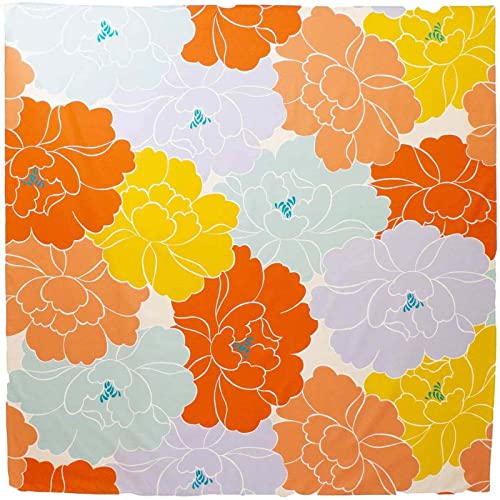
2. Large water-repellent furoshiki (about 90cm)
The 90cm size crosses into functional bag territory. Tie two opposite corners and you have a market tote that holds a surprising amount of weight. Water-repellent versions add a thin coating so a sudden Tokyo shower doesn’t soak whatever’s inside. Handy if you plan to use it as a daily carry rather than one-time wrap.
3. Patterned tenugui for wall display
Tenugui makers like KAMAWANU release seasonal patterns — cherry blossoms in spring, goldfish and fireworks in summer, maple leaves in autumn. Locals know these rotate fast, so a design you like in April may be gone by June. Slot the top edge into a simple wooden tenugui frame or a tension rod and you have rotating seasonal wall art for the price of a coffee and a pastry.
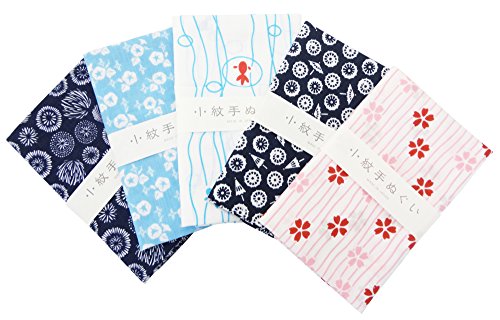
4. Plain tenugui as a travel towel
A solid-color or simple-weave tenugui is the practical choice. Its thin weave dries far faster than a terry towel, so it’s ready again after a temple visit or an onsen soak. It packs smaller than a microfiber travel towel and doesn’t smell after a few damp days. Locals keep one folded in a bag as an all-purpose hand towel, sweat wipe, and picnic mat.
The honest tradeoff: a plain tenugui is the least gift-worthy pick here. If you want something to hand to a friend, its no-frills utility undersells it — the patterned display cloth or a boxed furoshiki set lands better as a present.
5. Boxed furoshiki gift set
Select shops sell furoshiki in a printed gift box, sometimes paired with a little instruction card showing three or four wrapping knots. This is the fail-safe present: the box does the presentation work, and the recipient gets both a usable object and a small lesson in how to use it. Ideal for coworkers or hosts back home who’ve never seen one.

Side-by-Side: Furoshiki and Tenugui Differences That Change Your Choice
| Feature | Furoshiki | Tenugui |
|---|---|---|
| Shape | Square (50/70/90cm) | Rectangle (~35 × 90cm) |
| Edges | All four hemmed | Short ends cut raw |
| Fabric feel | Has body, holds knots | Thin, quick-drying |
| Best for | Gift wrap, bag, carrying | Towel, display, headband |
| Typical Japan price | ~¥1,500–3,500 | ~¥1,000–1,800 |
| Overseas markup | Often 2–3× | Often 2–3× |
Decision rule: if the cloth needs to hold weight or wrap a shape, buy furoshiki. If it needs to lie flat, dry fast, or hang on a wall, buy tenugui. When you can’t decide, a 70cm cotton furoshiki does more jobs than any single tenugui, so it wins the tie.
Choosing the Right Size Without Guessing
Furoshiki sizing follows a simple rule: the finished square should be about three times the width of the object you’re wrapping, so there’s enough cloth left to tie. A 50cm square handles a small box, a paperback, or a jar of jam. A 70cm square wraps a wine bottle or a bento box comfortably. A 90cm square carries groceries or a change of clothes when knotted into a bag.
For a worked example: to wrap a standard 750ml wine bottle, lay a 70cm furoshiki flat as a diamond, stand the bottle in the center, pull two opposite corners up over the neck and tie them, then twist and knot the remaining two corners into a carrying handle. It takes under a minute once you’ve done it twice.
Tenugui sizing barely varies — most sit around 35 × 90cm regardless of maker, so you’re choosing on pattern and weave, not dimensions. The only real variable is fabric weight: a tighter weave feels more towel-like, while a looser one shows the print more vividly and works better on a wall. Hold it to the light in the shop; you’ll see the weave density instantly.
Four Knots That Cover Almost Everything
Most people who own a furoshiki use one knot and stop there, but four techniques handle nearly every object you’ll want to wrap or carry. The base of all of them is the flat square knot — left over right, then right over left — which holds firm but pulls apart easily when you want the cloth back. A granny knot (the accidental version most people tie) jams and stretches the fabric, so learn the square knot first.
The basic wrap (tsutsumi) suits a box or a book: center the item on the diamond-laid cloth, fold the near and far corners over it, then bring the two side corners together and square-knot them on top. It takes about 20 seconds and gives a clean parcel that survives being stacked in a bag. For a flat gift like a chopstick set, this is the go-to.
The bottle wrap and the two-corner bag are the two you’ll use travelling. For a single bottle, stand it centered, tie two opposite corners over the neck, then twist the remaining two into a loop handle. The two-corner bag is even simpler: knot two adjacent corners, then the other two, and the diagonal between the knots becomes an opening — a 5-second tote for a konbini run. The fourth trick is the double-bottle carry, spacing two bottles apart on the cloth and rolling inward so a center knot separates them, which keeps glass from clinking. Once these four are muscle memory, a single 70cm square replaces a gift bag, a wine carrier, and a spare tote, which is why it’s the piece to master before anything fancier.
Cotton, Rayon, and Dye Types: What You’re Actually Paying For
The price gap between a ¥1,000 tenugui and a ¥3,500 furoshiki isn’t only about size. Fabric and dyeing method drive most of it. Plain-weave cotton is the everyday standard: durable, machine-washable, and forgiving. Rayon and silk-blend furoshiki feel more luxurious and drape beautifully for formal gifts, but they slip more in a knot and usually want hand-washing, so they’re better as display or single-use wrap than as a working tote.
Dyeing is where the craft shows. Chusen is the traditional tenugui method, where dye is poured through stacked layers of cloth so the color soaks all the way through — both sides look identical and the print softens attractively with age. Reactive or pigment printing is cheaper and often sharper on one face, with a paler reverse. Flip a tenugui over in the shop: if the back is nearly as vivid as the front, you’re likely holding a chusen piece, which explains a higher price tag and ages far better on a wall.
For furoshiki, look for the difference between screen-printed cotton and woven or yarn-dyed patterns. A yarn-dyed check or stripe carries color on both sides and won’t fade to a ghost on the reverse, which matters if the cloth spends its life as a visible bag. Screen-printed florals are lovely and cheaper, but the underside stays plain. Locals buying for daily use tend to pick chusen or yarn-dyed cotton precisely because reversibility means the cloth still looks finished no matter which way a knot lands. If you’re choosing a gift, a reversible dye is the quiet signal of quality a recipient will notice without knowing why.
Where to Buy and How to Ship Them Home
Nakagawa Masashichi runs shops in major cities and inside department stores, and its cloth section sits alongside handkerchiefs and wrapping goods — a good place to see furoshiki and tenugui side by side. KAMAWANU is the go-to for tenugui specifically, with rotating seasonal prints. Department-store gift floors and select shops like D&DEPARTMENT and MUJI also stock plain, tasteful versions.
Because they’re so light, textiles are the easiest souvenir category to buy in bulk and carry in hand luggage — no need to check a bag. If a design is store-exclusive and you’ve already flown home, a forwarding proxy service can ship it, and the low weight keeps international postage reasonable. For the broader mix of what’s worth hauling back, see our roundup of the best souvenirs to buy in Japan, and if you’re building a gift list, the Japanese gifts guide covers pairings that go well with wrapped cloth.
Pro Tip
Tax-Free Buying, Bundling, and Gifting Etiquette
Textiles count as general goods for Japan’s tax-free shopping, so a single visit to a department store or a large select shop can push your basket over the tax-free minimum quickly when you add a few cloths to other purchases. Bring your passport, buy at a counter marked tax-free, and keep receipts together. Note that Japan’s tax-free rules are changing from November 2026, so confirm the current process at the register rather than assuming last year’s method still applies.
Bundling makes the strongest gift. Wrap a light, non-fragile souvenir — a box of tea, a pack of chopsticks, a small jar of jam — inside a furoshiki, and the cloth becomes both packaging and a second present. A patterned tenugui folded around a bottle and tied at the neck turns a supermarket buy into something that looks deliberate. For a group of coworkers, buy one larger furoshiki and several plain tenugui so the giving scales without the cost.
On etiquette, the traditional expectation is that furoshiki used to carry a gift are handed over and kept by the recipient, rather than reclaimed. If you’re only borrowing the cloth to transport something and want it back, say so lightly when you hand it over — otherwise the polite default is that it stays. Avoid crumpling a gift cloth into a ball; fold it flat or leave it knotted around the item so the presentation reads as considered. These small cues are exactly what makes a cloth-wrapped gift land better than a paper bag, and they cost nothing to get right.
Care, Fading, and the Mistakes First-Timers Make
Both cloths are cotton, so cold-water washing is fine, but hand dyeing means color can bleed the first few washes. Wash a new tenugui separately at first, and don’t leave it soaking — the dye lifts in standing water. Air-dry both; a hot dryer shrinks the weave and dulls the print over time.
The most common beginner mistake is treating the raw tenugui ends as damage. As noted, they shed a few threads early and then settle. Snip loose strands rather than pulling them, which can unravel the row. A second mistake is over-tightening furoshiki knots on delicate fabric — a firm square knot holds without cranking it so hard the cloth stretches.
Heads Up
Frequently Asked Questions
Can I use a furoshiki as an actual bag for daily travel?
Yes, a 90cm square knotted at two corners makes a solid shoulder tote that handles groceries or a day’s shopping. Water-repellent versions cope with light rain. It won’t replace a structured backpack, but for a fold-flat spare bag it’s hard to beat.
Are furoshiki and tenugui allowed in carry-on luggage?
They’re just fabric, so they pass security without issue and add almost no weight. This is exactly why they beat heavier souvenirs — you can carry a dozen in hand luggage and never approach a weight limit. Fold them flat and tuck them anywhere.
Why is the tenugui frayed at the ends? Is it defective?
The raw ends are intentional and traditional, not a flaw. The cut edge dries quickly and prevents mold in a damp cloth. It sheds a few threads over the first several washes, then stabilizes. Trim stray threads with scissors rather than pulling them.
Which one is the better gift for someone who’s never seen one?
A boxed furoshiki set with a knot-guide card is the safest gift, because the presentation and instructions are built in. A framed-style patterned tenugui also lands well as decor. A plain utility tenugui, while useful, is the weakest choice as a present because its appeal is practical rather than visual.
How much cheaper are these in Japan versus buying online at home?
A specialty tenugui runs roughly ¥1,000–1,800 in Japan and a mid-size furoshiki around ¥1,500–3,500, while the same designs resold overseas commonly cost about 2–3 times that once shipping is added. Buying in-country and carrying them home is the clear saving, and the low weight makes it painless.
Can I still get the design I want after I’ve left Japan?
Sometimes. Staple patterns stay in stock, but seasonal prints sell through and don’t always return. If you missed one, a forwarding proxy service can ship a store-exclusive piece, and because the cloth is so light the international postage stays modest.
Disclosure
This article contains affiliate links. We may earn a commission when you buy through them, at no extra cost to you. Every pick is an honest recommendation.
Planning to buy from Japan?