
Best Japanese Eyeliners That Actually Last: 8 Drugstore Picks Compared
Updated June 2025 · 14 min read
Japan Shop Helper Editorial
Tokyo-based · prices & fees verified on real orders
Japan’s drugstore beauty aisles are legendary for a reason. Rows of eyeliners in slim, pen-like packaging promise razor-thin lines, hours-long wear, and formulas built to survive Tokyo’s brutal summer humidity. The problem? There are dozens of options, labels are in Japanese, and you have about fifteen minutes before the Matsumoto Kiyoshi staff start to wonder if you’re moving in.
This guide compares eight of the most popular Japanese drugstore eyeliners side by side. We’ll cover tip thickness, smudge resistance, waterproof ratings, ease of removal, and price—so you can walk into any Japanese pharmacy and grab exactly the right one for your eye shape and lifestyle.
Every pick here is available at major chains like Matsumoto Kiyoshi, Ainz & Tulpe, Don Quijote, and most Welcia or Sundrug locations. Prices range from about ¥800 to ¥1,800, making them some of the best value-for-performance eyeliners in the world.

Why Japanese Eyeliners Outperform Most Western Brands
Japanese cosmetics companies design for a climate that swings from freezing, dry winters to 35°C summers with 80%+ humidity. That means eyeliner formulas here are stress-tested under conditions that would melt most Western drugstore options off your face by lunchtime.
There’s also a cultural preference for ultra-fine lines. Japanese eye makeup trends lean toward subtle definition rather than bold cat-eye flicks, so manufacturers compete on tip precision. You’ll find felt tips as thin as 0.1 mm—something that barely exists in Western markets.
Finally, Japanese eyeliners tend to use film-type polymers instead of traditional wax-based formulas. Film-type liners form a flexible, water-resistant coating on the skin that peels or washes off cleanly with warm water, rather than requiring harsh rubbing or oil-based removers. This means less irritation around the delicate eye area.
How We Compared These 8 Eyeliners
We evaluated each eyeliner across five categories that matter most for tourists and everyday wearers:
We also factored in price per unit and availability across at least three major drugstore chains. Every product listed here can be found in physical stores in Tokyo, Osaka, and Kyoto. Most are also stocked at airport duty-free shops.
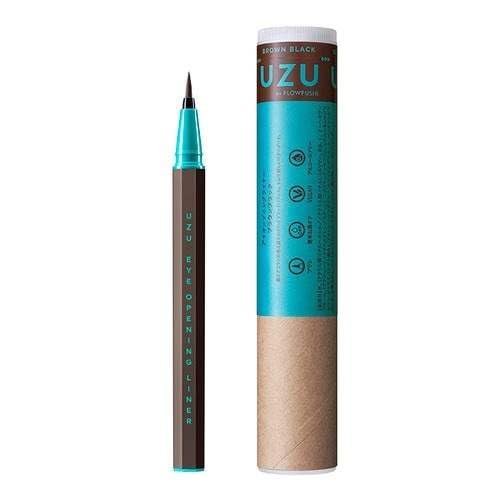
1. UZU Eye Opening Liner — The All-Rounder
UZU (formerly Flowfushi) is probably the most recommended Japanese eyeliner in online beauty communities, and for good reason. The felt tip is firm enough for control but flexible enough to create both thin lines and thicker wings. The formula is a hybrid: water-resistant enough to survive a rainy day, yet it peels off with warm water when you’re ready to remove it.
Strengths
Precise 0.1 mm tip. Intense pigment on the first pass. Comfortable grip. Wide color range. Available at virtually every drugstore in Japan. Warm-water removal is genuinely easy—no oil cleanser needed.
Weaknesses
If you rub your eyes frequently, the film can flake in small pieces rather than smudge, which some people find annoying. It’s not truly waterproof—swimming or heavy downpours can break it down. At ¥1,650, it’s one of the pricier drugstore options, though still far cheaper than department-store brands.
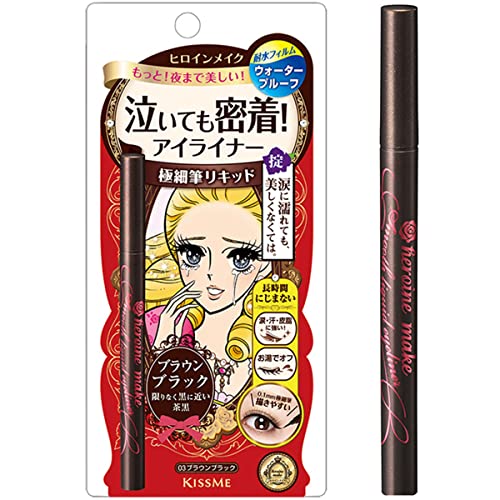
2. Heroine Make Smooth Liquid Eyeliner Super Keep — The Humidity Survivor
If your main concern is sweat and humidity, the Heroine Make Super Keep is the one to grab. This liner is formulated with a “super waterproof” polymer that laughs at summer heat. Online reviewers consistently report 12+ hours of wear with zero transfer, even in the sticky August heat of Kyoto temples.
Strengths
Outstanding longevity. Genuinely waterproof. Affordable at ¥1,100. The tip stays sharp even after weeks of use. The black shade is deeply pigmented without looking harsh.
Weaknesses
Removal is the trade-off. You need a dedicated oil cleanser or point remover—rubbing with a regular face wash just smears it around. Only available in two colors (black and dark brown). The tip can feel slightly stiff for beginners.
Pro Tip
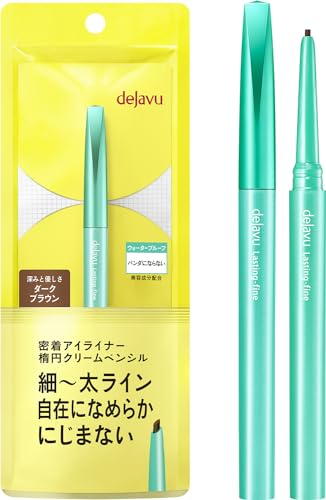
3. Dejavu Lasting Fine Brush Liquid — The Brush Tip Favorite
Dejavu uses a real brush tip rather than a felt tip, which gives a different drawing experience. If you prefer the organic, flexible feel of a calligraphy pen, this one feels natural from the first stroke. The “film type” formula forms a flexible polymer layer that peels away with warm water.
The tip tapers to about 0.1 mm at its finest point, but because it’s a brush rather than a felt nib, you can vary your line width dramatically just by changing pressure. This makes it excellent for creating natural-looking lash-line fills as well as sharper wings.
Strengths
Extremely flexible tip allows for varied line widths. Film-type removal is gentle and complete. Stays put for 8–10 hours in moderate humidity. The glossy-black finish looks elegant.
Weaknesses
Brush tips require a steadier hand than felt tips, so it may not be the best choice if you’re applying liner on a moving train. Slightly less smudge-proof than the Heroine Make in extreme humidity. The ink flow can be inconsistent toward the end of the pen’s life.
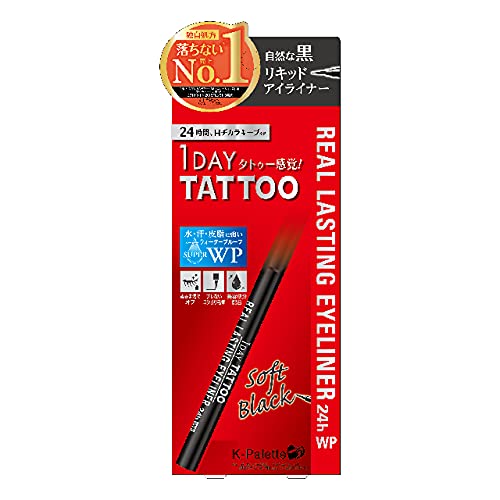
4. K-Palette Real Lasting Eyeliner 24h WP — The Travel Warrior
K-Palette’s 24-hour claim is ambitious, but in real-world use it consistently delivers 10–14 hours of clean, unfaded lines. The formula is designed as “super waterproof,” making it a solid choice for sweaty temple hikes, water-park visits, or those inevitable rainy days in Japan.
Strengths
Strong water resistance. Fast-drying formula reduces the smudge window. Three useful color options. Widely available, including at convenience stores in tourist areas.
Weaknesses
The felt tip can fray after about three weeks of daily use. Like the Heroine Make, it requires an oil-based cleanser for complete removal. The “natural brown” shade can look slightly reddish on some skin tones.
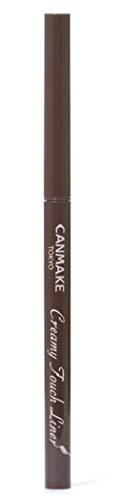
5. CANMAKE Creamy Touch Liner — The Budget Pencil Option
Not everyone wants a liquid liner. If you prefer the softer, smudgeable look of a gel pencil, the CANMAKE Creamy Touch Liner is the pick. It’s a super-slim twist-up pencil (1.5 mm diameter) that glides on smoothly without tugging, making it ideal for tight-lining or the waterline.
At around ¥715, it’s also the most affordable option on this list. CANMAKE is Japan’s best-selling budget makeup brand, and this liner is one of the reasons why.
Strengths
Incredibly smooth application. Great for the waterline and tight-lining. No sharpening required. Available in six shades including soft pinks and mauve for subtle looks. Budget-friendly at ¥715.
Weaknesses
As a gel pencil, it doesn’t last as long as liquid formulas—expect 5–7 hours before some fading on oily lids. Not waterproof. The slim tip can break if you twist up too much product at once.
6. Love Liner Liquid — The Weighted Barrel Innovator
Love Liner’s signature feature is an aluminum barrel with a weight distribution designed to mimic the balance of a calligraphy pen. The idea is that the barrel’s heft steadies your hand, resulting in smoother lines. It sounds gimmicky, but many users swear by it.
The formula is a film type that’s resistant to tears, sweat, and sebum but removes with warm water. Color-wise, Love Liner offers five shades, including a popular dark brown and a grayish-brown that suits cooler complexions.

Strengths
The weighted barrel genuinely helps with precision, especially for shaky-handed beginners. Rich pigment. Film-type removal is easy. The pen feels premium in the hand.
Weaknesses
Priced at ¥1,760, it’s the most expensive pick on this list. The felt tip, while fine, isn’t quite as sharp as UZU’s or Heroine Make’s. Some users report the ink drying out faster than competitors if the cap isn’t sealed tightly.
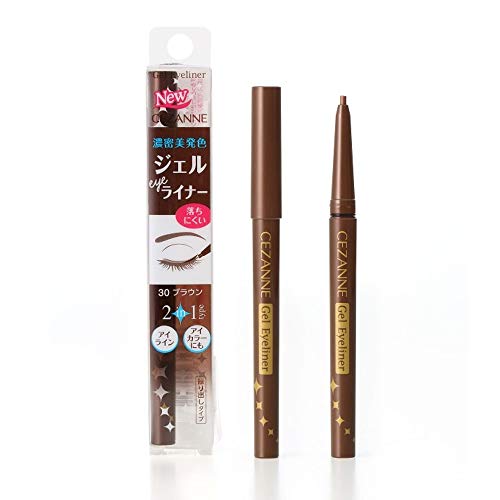
7. CEZANNE Gel Eyeliner — The Smudge-and-Blend Pencil
CEZANNE’s gel pencil occupies a sweet spot between the CANMAKE Creamy Touch and a traditional kohl. It’s blendable for the first 10–15 seconds after application, then sets into a semi-matte finish that holds for 6–8 hours.
This makes it a great choice if you like to create smoky effects or soften your liner with a brush. Once set, it resists moderate humidity, though it won’t survive a full day in peak summer without some fading.
Strengths
Smooth, creamy texture. Blendable window for smoky looks. Affordable at around ¥550. Available in interesting shades like olive and burgundy.
Weaknesses
Shorter wear time than liquid alternatives. Not suitable for precise, thin lines due to the thicker tip. Can transfer to the crease on oily lids within a few hours.
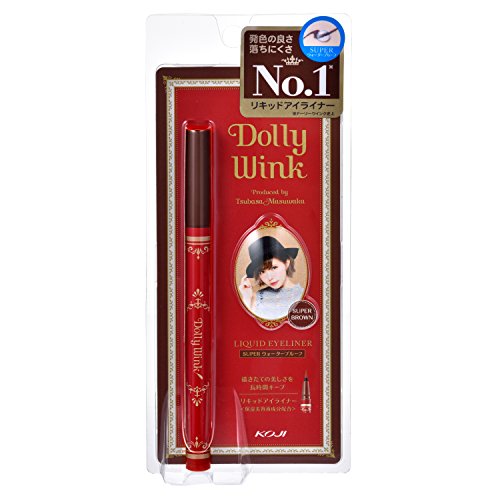
8. Dolly Wink Liquid Eyeliner — The Drama Pick
Dolly Wink was originally popular in the Japanese gyaru (glamorous) makeup scene, and its liner reflects that heritage: deep, jet-black pigment designed for bold, visible lines. The formula is waterproof and holds up for 10+ hours, even in humid conditions.
The felt tip is slightly thicker than UZU or Heroine Make—approximately 0.15 mm—which makes it easier to create dramatic wings but less ideal for super-thin, natural-looking lines.
Strengths
Intensely pigmented. Great for bold, visible liner looks. Strong staying power. The slightly thicker tip is forgiving for beginners who want a bolder line.
Weaknesses
Not the best choice for subtle or natural makeup styles. Requires oil-based removal. Limited shade range (black and dark brown only). The packaging feels less premium than UZU or Love Liner.
Quick Comparison at a Glance
| Eyeliner | Type | Tip Size | Wear Time | Removal | Price |
|---|---|---|---|---|---|
| UZU Eye Opening | Liquid (felt) | 0.1 mm | 10–12 hrs | Warm water | ¥1,650 |
| Heroine Make Super Keep | Liquid (felt) | 0.1 mm | 12+ hrs | Oil cleanser | ¥1,100 |
| Dejavu Lasting Fine | Liquid (brush) | 0.1 mm | 8–10 hrs | Warm water | ¥1,320 |
| K-Palette 24h WP | Liquid (felt) | 0.1 mm | 10–14 hrs | Oil cleanser | ¥1,320 |
| CANMAKE Creamy Touch | Gel pencil | 1.5 mm | 5–7 hrs | Regular cleanser | ¥715 |
| Love Liner Liquid | Liquid (felt) | 0.1 mm | 8–10 hrs | Warm water | ¥1,760 |
| CEZANNE Gel | Gel pencil | 2.0 mm | 6–8 hrs | Regular cleanser | ¥550 |
| Dolly Wink Liquid | Liquid (felt) | 0.15 mm | 10+ hrs | Oil cleanser | ¥1,320 |
Which One Should You Buy? A Decision Guide
With eight solid options, the “right” eyeliner depends on your priorities. Here’s a quick decision framework:
If you want the safest all-around choice:
Go with the UZU Eye Opening Liner. It balances precision, wear time, color range, and easy removal better than anything else at this price point. It’s the “if you buy one thing” answer.
If you’re visiting Japan in summer (June–September):
Pick the Heroine Make Super Keep or K-Palette 24h WP. Both are genuinely waterproof and designed for exactly the kind of heat and humidity you’ll face. Accept that you’ll need an oil cleanser at the end of the day.
If you prefer pencil liners:
The CANMAKE Creamy Touch is the clear winner. It’s smooth, affordable, and comes in shades you can’t find from most Western drugstore pencils. Stock up—at ¥715, buying three or four is still less than a single MAC liner.
If you have unsteady hands:
Try the Love Liner Liquid. Its weighted barrel provides genuine stability that most other pens don’t offer. The extra ¥100–200 over competitors is worth it if precision is your struggle.
If you want bold, dramatic lines:
Dolly Wink delivers the most opaque, visible line of the bunch. Its slightly thicker tip also makes wing construction easier for beginners.
Where to Buy These Eyeliners in Japan
All eight eyeliners on this list are widely available. Here are the most tourist-friendly stores:
Matsumoto Kiyoshi (マツモトキヨシ):Japan’s largest drugstore chain. Look for the bright yellow signage. Most locations near major train stations carry every brand listed here. They offer tax-free purchases for tourists spending ¥5,000+ in a single transaction.
Ainz & Tulpe (アインズ&トルペ): A beauty-focused drugstore often found in shopping districts like Omotesando and Shinjuku. Better curated selection and testers available for many products.
Don Quijote (ドン・キホーテ):The chaotic discount megastore. Prices are sometimes ¥50–100 cheaper than drugstores, and stores are open until very late (some 24 hours). The cosmetics section can be overwhelming, so know what you want before you go in.
LOFT and Tokyu Hands:Lifestyle stores that stock a curated selection of beauty items. You’ll find UZU and Love Liner here, but selection varies by location.
Heads Up
Tips for Testing and Buying Eyeliner in Japanese Stores
Japanese drugstores handle product testing differently from Western stores. Here are a few things to keep in mind:
Testers are often available.Many stores place open testers (“tester” is written in English or katakana テスター) next to the display products. Swatch on the back of your hand, not on your eyelid—store testers aren’t sanitized between users.
Staff won’t pressure you.Japanese retail culture is hands-off. You can browse for as long as you like without feeling rushed. If you need help, look for staff near the cosmetics counter and point to the product; many store employees have basic cosmetics knowledge even if they don’t speak English.
Check the shade name, not just the color swatch.Japanese eyeliner shade names are often in English (Black, Dark Brown, Brown-Black), but packaging details are in Japanese. The shade name is usually the most reliable way to confirm you’re grabbing the right color.
Pro Tip
How to Make Your Japanese Eyeliner Last Even Longer
Even the best formula benefits from good prep. Here are four concrete steps that add 2–3 extra hours of wear:
1. Blot your eyelids before applying. Use an oil-blotting sheet or a tissue to remove excess sebum from your lids. Oily skin is the number-one enemy of eyeliner longevity. Do this after your skincare routine but before makeup.
2. Set with translucent powder.Dust a thin layer of translucent powder across your lids before lining. This creates a dry, grippy surface for the liner to adhere to. CANMAKE’s Marshmallow Finish Powder (about ¥1,034 in-store) is a popular Japanese option.
3. Apply in thin layers.Two thin strokes dry faster and last longer than one thick stroke. Let the first layer set for 5–10 seconds before going over it.
4. Don’t apply liner over wet concealer or primer. Wait until your eye primer or concealer is fully dry (about 60 seconds) before drawing your line. Wet product underneath prevents the liner from bonding properly.
Bringing Eyeliners Home: Customs and Packing Tips
Japanese eyeliners are small, light, and inexpensive—which makes them ideal souvenirs. Here’s what you need to know about bringing them home.
Carry-on friendly:Eyeliner pens are not considered liquids by most airlines, even though they contain liquid ink. They don’t need to go in your liquids bag. If you’re packing gel pencils, they’re treated as solids and are completely unrestricted.
Tax-free shopping:Most drugstores offer tax-free purchases for tourists spending ¥5,000 or more (including tax-exempt consumable goods). Bring your passport and ask for “tax free” at checkout. The savings are roughly 10%.
Stock up:Japanese cosmetic formulations can change between releases, and availability outside Japan is inconsistent. If you find one you love, buy two or three extras. At ¥1,000–1,700 each, the total cost is still remarkably low compared to mid-range Western alternatives.
Customs limits:Most countries don’t restrict cosmetics imports for personal use. However, if you’re buying more than 20–30 units (reselling quantities), you may be asked to declare them. Check your home country’s customs regulations for cosmetics before your trip.
Frequently Asked Questions
Are Japanese eyeliners safe for sensitive eyes?
Japanese cosmetics are regulated by the Pharmaceutical and Medical Device Agency (PMDA), which enforces strict safety standards. Most eyeliners on this list are ophthalmologist-tested and free from common irritants like parabens and mineral oils. That said, if you have specific allergies, check the ingredient list (often printed in both Japanese and English on the outer packaging) or look for the phrase “敏感肌用” (for sensitive skin).
What’s the difference between “film type” and “waterproof” Japanese eyeliners?
Film-type eyeliners form a thin polymer layer on the skin that resists sweat and tears but dissolves with warm water (around 38–40°C). Waterproof eyeliners use oil-resistant polymers that require a dedicated oil cleanser or point remover to break down. Film types are gentler on the skin but less durable in extreme conditions. Waterproof types last longer but demand more effort to remove.
Can I buy these eyeliners at Japanese airports?
Narita, Haneda, Kansai, and most other major airports stock popular brands like UZU, Heroine Make, and K-Palette in their duty-free cosmetics sections. Selection is more limited than in-city drugstores, and prices are sometimes slightly higher. If you have specific shade or brand preferences, buy in the city and keep the airport as a backup for last-minute purchases.
How long does a single Japanese eyeliner pen last?
With daily use on both eyes, most liquid eyeliner pens on this list last 2–3 months before the ink runs out or the tip loses its sharpness. Gel pencils like the CANMAKE Creamy Touch last about 6–8 weeks with daily use since you’re depositing more product per stroke.
Do Japanese drugstores accept credit cards?
Most major chains (Matsumoto Kiyoshi, Ainz & Tulpe, Don Quijote) accept Visa, Mastercard, and often American Express. Smaller, independent pharmacies may be cash-only. If you’re heading to a large, tourist-area branch, you’ll almost certainly be able to pay by card. Many stores also accept contactless payments like Apple Pay, Google Pay, and the IC card system (Suica/Pasmo).
Which eyeliner is best for monolids or hooded eyes?
Monolids and hooded eyes benefit from fast-drying, smudge-proof formulas since the eyelid crease constantly presses against the liner. The Heroine Make Super Keep and K-Palette 24h WP are the top choices here. Their waterproof formulas set quickly and resist transfer to the crease. Avoid film-type liners for hooded eyes if you find they smudge in the fold—the film can soften from body heat and friction in that area.
Disclosure
This article contains affiliate links. We may earn a commission when you buy through them, at no extra cost to you. Every pick is an honest recommendation.
Planning to buy from Japan?