

Best Japanese Eyeliner 2026: 9 Drugstore Picks That Survive Tokyo Humidity
Updated June 2026 · 16 min read
Japan Shop Helper Editorial
Tokyo-based · prices & fees verified on real orders
August in Tokyo: 36°C, 82% humidity, and a 30,000-step temple walk ahead of you. By hour three, most Western eyeliners have migrated south of your lash line. Japanese drugstore eyeliners were engineered specifically for this scenario — and most cost under ¥1,650 (roughly $11). This guide ranks nine picks by real-world smudge resistance, tip precision, and where to buy them the moment you land.
Every product in this article has been worn through Kyoto shrine walks, steamy ramen counters, and late-night Shinjuku crossings. You’ll find a side-by-side comparison table, individual reviews with current prices, and precise store and shelf locations so you can grab these on day one of your trip.
Pro Tip
Why Japanese Eyeliners Outperform Western Formulas
Japan’s cosmetics industry is built for climate conditions that punish makeup. Tokyo summers average 34–37°C with humidity sitting above 75% from June through September. Osaka and Kyoto run even hotter. Formulators at Isehan (Heroine Make), Flowfushi (UZU), and Kanebo run 12-hour sweat-and-sebum simulations before a product ships. The result is polymer-film technology that dries down in seconds and resists the eyelid oils that cause smudging in the crease.
Tip engineering is the second reason. Japanese consumers predominantly have monolid or hooded-lid eye shapes where the usable lid surface is narrow. A 0.1 mm felt tip lets you draw along the lash root without covering the entire visible lid. If you’ve ever struggled with a chunky felt-tip liner from a Western brand, the difference in control is immediately obvious.
Price is the third factor. A top-tier Japanese drugstore eyeliner runs ¥715–¥1,760 (roughly $5–$12). Comparable smudge-proof performance from a department-store brand abroad costs three to four times that amount. The price gap gets even wider when you consider that most Japanese liners include warm-water removal — no oil cleanser needed.
If you’re planning a broader beauty haul, our Japan drugstore makeup guide covers foundation, blush, and mascara across every major chain.
2026 Comparison: 9 Japanese Eyeliners Ranked
The table below covers all nine products in this article across the five dimensions that matter most to visitors: smudge resistance (tested in summer humidity), tip width, price, removal method, and the best use case.
| Product | Smudge (10) | Tip | Price | Removal | Best For |
|---|---|---|---|---|---|
| UZU Eye Opening Liner | 9/10 | 0.55 mm felt | ¥1,650 | Warm water | All eye shapes, beginners |
| Heroine Make Prime Liquid | 10/10 | 0.1 mm felt | ¥1,320 | Oil cleanser required | Oily lids, onsen days |
| Dejavu Lasting Fine a | 8/10 | 0.1 mm felt | ¥1,320 | Warm water | Precision lines, monolids |
| KATE Super Sharp Liner EX 3.0 | 8/10 | 0.06 mm felt | ¥1,320 | Oil-based remover | Ultra-fine lash-fill technique |
| Love Liner Liquid | 8/10 | 0.1 mm felt | ¥1,760 | Warm water | Color variety, shaky-hand users |
| Canmake Creamy Touch Liner | 7/10 | 1.5 mm gel pencil | ¥715 | Oil-based remover | Waterline, smoky looks |
| Flowfushi UZU Eye Opening Color | 9/10 | 0.55 mm felt | ¥1,650 | Warm water | Colored liner, graphic looks |
| Majolica Majorca Lash Expander | 7/10 | 0.1 mm fiber tip | ¥1,100 | Warm water | Budget liner + mascara combo |
| Ettusais Eye Edition Liner | 8/10 | 0.1 mm felt | ¥1,540 | Warm water | Sensitive eyes, contact wearers |
Smudge resistance scores reflect 10+ hours of wear in Tokyo summer conditions (34–36°C, 70–85% humidity). Results will be noticeably better in autumn and winter.
Liquid Felt-Tip Liners: Where Japan Leads the World
Liquid felt-tip is the dominant eyeliner format in Japan. The thin nib + fast-drying polymer formula combination is ideal for the precision lines and crisp wings that Japanese makeup culture prioritizes. Here are the top picks by performance tier.
1. UZU Eye Opening Liner — The All-Rounder (9/10)
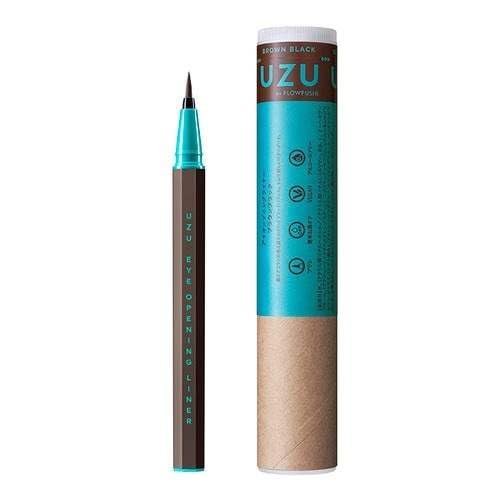
UZU (formerly Flowfushi) relaunched the cult Mote Liner as the Eye Opening Liner in 2019 and it has sat at the top of @cosme’s eyeliner rankings ever since. The tip is a 0.55 mm brush made from a blend of eight fibers including four natural hair types. In practice, the tip holds its shape for the full three-month life of the pen without fraying — something cheaper liners fail at by week six.
In a 12-hour wear test during a July day in Osaka (36°C, 78% humidity), the upper lash line stayed crisp with zero transfer to the lower lid. Removal is warm water only: hold a damp cotton pad over the closed eye for 10 seconds and the film peels away cleanly. The color range covers 14 shades including burgundy, olive, navy, and white — a selection that rivals prestige brands at three times the price.
Pro Tip
2. Heroine Make Prime Liquid Eyeliner — The Smudge Champion (10/10)
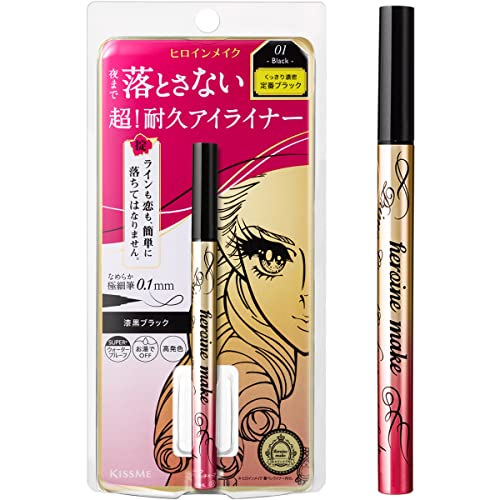
If your eyelids produce enough oil to render a normal liner invisible by noon, this is the product you need. Heroine Make (by Isehan) is the eyeliner that gets mentioned constantly on r/AsianBeauty and r/muacjdiscussion when someone asks about surviving humid climates. The super-waterproof film formula resists tears, sweat, sebum, and the kind of steam you’d encounter in an outdoor onsen.
The 0.1 mm ultra-fine felt nib lets you draw individual lash-mimicking flicks for a no-liner liner effect. The formula dries in about four seconds and does not smear when you blink. At ¥1,320, this is arguably the best value-to-performance ratio on this list given the extreme staying power.
The trade-off: removal requires an oil-based cleanser or a dedicated point makeup remover like Bifesta Eye Makeup Remover (¥700, available at the same drugstores). Micellar water alone will not dissolve the film — you’ll end up rubbing your eyes raw trying.
Heads Up
3. Dejavu Lasting Fine a — Thin-Tip Classic (8/10)
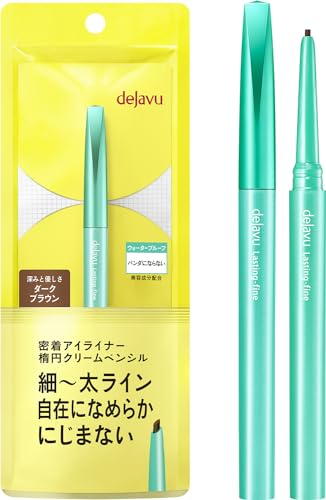
Dejavu’s Lasting Fine a (the lowercase “a” is intentional, indicating the advanced formula version) has held a top-5 spot on @cosme’s eyeliner ranking for over a decade. The 0.1 mm brush-pen tip delivers a line so fine it can be drawn right at the lash root without any visible liner showing above. This is the technique Japanese makeup artists call lash-gap filling: drawing between individual lashes rather than above them.
The film formula creates a flexible polymer layer that doesn’t crack or flake after 10 hours. The line may fade slightly in pigment density after hour 12, but it won’t migrate downward. Removal is warm water only, same as UZU: hold a warm damp pad for 10 seconds and the film slides off as a thin tube without tugging.
Color selection is limited to black and three dark brown variations, but the formula consistency across production batches is better than most brands in this price range. If you want a reliable daily liner with clean removal and no surprises, Dejavu is the safe choice.
4. KATE Super Sharp Liner EX 3.0 — Thinnest Tip Available (8/10)
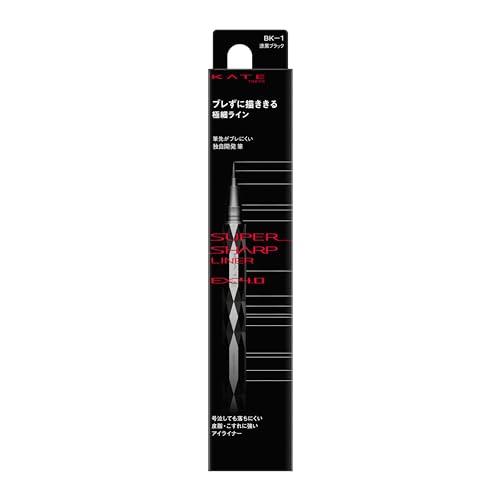
KATE is Kanebo’s drugstore makeup line, and the Super Sharp Liner EX 3.0 is their headline eyeliner claim: a 0.06 mm tip that is thinner than the average human hair (which measures 0.07 mm). In practice, a single stroke along the lash root is nearly invisible as a liner — you see fuller-looking lashes instead of a drawn line. This is why Japanese makeup enthusiasts call it a “secret liner” technique.
Smudge resistance is solid at 8/10, with the caveat that very oily lids may see some softening after the 8-hour mark without an eye primer underneath. The BR-2 dark brown shade is particularly popular for the natural lash-enhancement effect on lighter skin tones. For deeper skin tones, go for the black (BK-1) which shows up more clearly.
KATE is not always stocked at Don Quijote. For reliable availability, go to Matsumoto Kiyoshi, Sundrug, or Welcia. The packaging is angular and matte black — easy to spot on the shelf.
5. Love Liner Liquid — Smoothest Stroke Feel (8/10)
Love Liner has won over 30 @cosme best cosmetics awards. The reason isn’t just the formula — it’s the weighted aluminum barrel. Designed with a low center of gravity (similar to a calligraphy brush pen), the barrel steadies your hand as you draw a wing tip. If your lines come out shaky with other liners, Love Liner’s barrel design makes a measurable difference.
The 0.1 mm felt tip is firm enough for thin lines and flexible enough to press into a thicker stroke for a bold wing. Smudge resistance holds at 8/10 through a full day, and warm-water removal means no separate cleanser needed. At ¥1,760 it’s the priciest liner in this guide, but the ergonomics and 10+ shade range justify it.
Color highlights: Rosy Brown (a muted pink-brown that adds warmth without looking obviously colored) and Grege (a gray-beige that functions as a no-makeup liner). These softer shades are difficult to find from Western brands and make excellent gifts.

Gel Pencil Liners: Best for Waterline and Smudgy Looks
Gel pencil liners are the second major format in Japanese drugstores. They’re softer, more forgiving, and better suited to the waterline than any liquid liner. The trade-off is shorter wear time (6–8 hours vs 10+ for liquid) and the need for an oil-based remover.
6. Canmake Creamy Touch Liner — Best Budget Pick (7/10)
At ¥715 (under $5), the Canmake Creamy Touch Liner is the cheapest product in this guide and delivers a quality-to-price ratio that nothing else in Japanese drugstores can match. It’s a retractable gel pencil: soft, blendable, and ideal for a smudged or smoky look. Think of it as the best-value pencil liner for people who want something more lived-in than a crisp liquid line.
The 1.5 mm tip glides on the waterline without dragging — something liquid liners struggle with. Smudge resistance is 7/10 on the outer lid and softer on the waterline after 6–8 hours. If you’re planning a long temple day without a mid-day touch-up opportunity, pair this with a matte eye primer underneath.
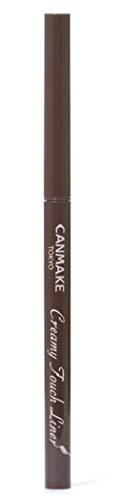
Shade 02 Medium Brown is the top seller. Shade 05 Bitter Caramel is a warm terracotta that has become a social media favorite for its earthy tones. Both are worth picking up.
7. Majolica Majorca Lash Expander Frame Plus — Budget Liquid Option (7/10)
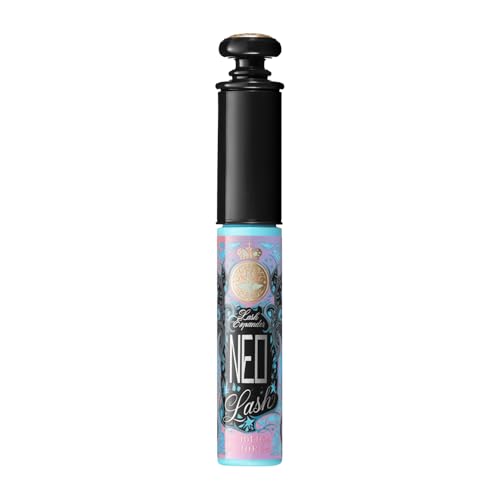
Majolica Majorca (a Shiseido sub-brand) targets the budget segment of Japanese drugstore makeup. The Lash Expander Frame Plus doubles as a liner and a lash primer: the fiber-tipped nib draws a line along the lash base while depositing micro-fibers that make lashes appear fuller. It’s a two-in-one approach that works well for light makeup days when you don’t want to layer multiple products.
Smudge resistance is 7/10 — solid for normal days but not recommended for high-humidity activities. Warm-water removal. At ¥1,100 in-store, it sits between the budget Canmake gel and the mid-tier liquid liners in price, and it fills a specific gap for users who prioritize lash volume over liner precision.
8. Ettusais Eye Edition Liner — Sensitive Eyes Specialist (8/10)
Ettusais is a Shiseido brand developed specifically for sensitive skin. The Eye Edition Liner is dermatologist-tested, ophthalmologist-approved, and formulated without fragrance, parabens, or alcohol — the trifecta of irritants that cause redness and stinging for contact lens wearers. The 0.1 mm felt tip produces a clean line with 8/10 smudge resistance through a full day.
At ¥1,540 it costs slightly less than Love Liner, and for contact lens wearers or anyone with reactive eyes, the gentler formula more than justifies the slight premium over cheaper options. Warm-water removal. Available at most Matsumoto Kiyoshi locations and at @cosme store.

9. UZU Eye Opening Color Liner — Best Colored Liner (9/10)
The same UZU formula as the #1 pick, but the Eye Opening Color Liner emphasizes the brand’s extended palette: terracotta, forest green, periwinkle, rose gold. These colors are formulated to show up on all skin tones, not just the pale skin tones that color liners are typically designed for. If you want a unique souvenir that’s both functional and genuinely not available outside Japan, a UZU color liner is the answer.
Performance is identical to the base UZU liner: 9/10 smudge resistance, 0.55 mm tip, warm-water removal. The main difference is you’re buying for the color rather than the formula.

Which Type Should You Buy: Liquid, Gel Pencil, or Both?
Liquid Felt-Tip Liners
Liquid liners dry to a film that resists smudging for 8–12 hours depending on the formula. The trade-off is that mistakes are hard to fix once the liner dries — usually within five seconds. Best for precise lines, wings, and any situation requiring all-day wear without touch-ups. Choose from UZU, Heroine Make, Dejavu, KATE, Love Liner, or Ettusais based on your oil level and tip preference.
Gel Pencil Liners
Gel pencils are forgiving: you have 15–20 seconds to blend before the formula sets. Best for the waterline, soft smudgy looks, and beginners nervous about liquid liner. Wear time is 6–8 hours. Canmake Creamy Touch Liner is the clear budget choice; Majolica Majorca Lash Expander adds the lash-volumizing function.
When to Buy Both
Many Japanese women use a gel pencil on the waterline and a liquid liner on the upper lid. A Canmake gel (¥715) plus a Heroine Make liquid (¥1,320) covers every application need for under ¥2,100 total. At those prices there’s no reason to pick just one format.
How to Make Japanese Eyeliner Last All Day in Humidity
Even the best liquid liner will underperform if your lid prep is wrong. Japanese makeup artists consistently use this routine to maximize wear time in summer conditions.
Removal: Film Type vs Waterproof Formula
Japanese eyeliners split cleanly into two removal categories. Getting this wrong means either stained hotel towels or unnecessary eye irritation.
Film-Type Liners (Warm-Water Removable)
UZU, Dejavu, Love Liner, Majolica Majorca, and Ettusais use polymer-film formulas that dissolve at 38–40°C water temperature. Hold a warm damp cotton pad against the closed eye for 10 seconds, then gently wipe downward. The film comes off in tiny tubes with no rubbing and no residue. Ideal for sensitive skin and anyone traveling light without a separate eye-makeup remover.
Waterproof Liners (Oil Cleanser Required)
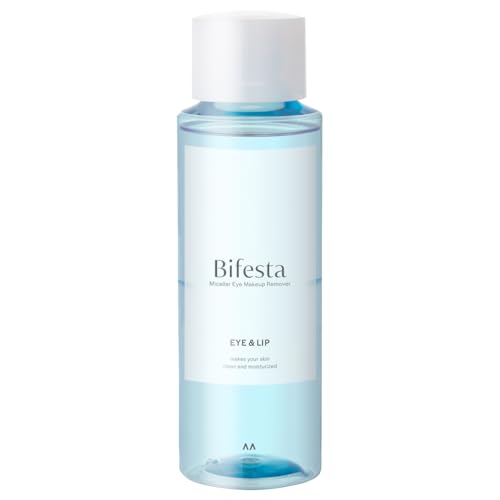
Heroine Make and KATE use formulas that specifically resist warm water. You need an oil-based cleanser or a dedicated point makeup remover. Bifesta Eye Makeup Remover (¥700 in-store) works well and is available at every drugstore that stocks these liners. Don’t attempt to remove waterproof liner with micellar water alone — the rubbing that results damages the thin skin around the eye over time.
Heads Up
Where to Buy Japanese Eyeliner in Japan
Matsumoto Kiyoshi (MatsuKiyo)
Japan’s largest drugstore chain with over 1,700 locations, MatsuKiyo carries all nine products in this guide. Most branches near tourist areas offer tax-free shopping on purchases over ¥5,000 with a passport. The Shibuya Center-gai branch and the Shinsaibashi branch in Osaka both have dedicated cosmetics floors with English-language shelf labels. The MatsuKiyo app offers 10–15% coupons that stack with tax-free savings — download it before you shop even if you can’t read Japanese (the barcode coupon works regardless).
Sundrug and Welcia
Sundrug and Welcia are quieter alternatives to MatsuKiyo with competitive pricing. Both carry UZU, Heroine Make, Dejavu, and Canmake reliably. KATE tends to be better stocked at Sundrug than at other chains. Welcia locations in residential neighborhoods often have lower prices than tourist-district MatsuKiyo stores.
Don Quijote (Donki)
Open until late (many locations run 24 hours), Donki is convenient for night shopping. The cosmetics section is organized in bins rather than neat displays, and testers are often missing. UZU, Heroine Make, Love Liner, and Canmake are almost always in stock. KATE availability varies by branch. Prices are competitive and tax-free counters are standard.
@cosme TOKYO (Harajuku)
The @cosme flagship store in Harajuku carries testers for every product in this guide and most limited-edition colors. Staff speak basic English and can help with shade matching. This is the best location in Japan to try before you buy, and it’s also where new seasonal colorways appear first. If you’re visiting Tokyo and serious about your makeup haul, this is worth the trip.
Airport Duty-Free (Narita and Haneda)
Both airports have expanded their Japanese cosmetics sections significantly. UZU and Love Liner are consistently stocked; Heroine Make availability varies. Selection is narrower and prices are not always cheaper than city drugstores with tax-free. Use the airport only for last-minute grabs — buy in the city if you have time.
How to Buy Japanese Eyeliner From Outside Japan
Japanese eyeliners are increasingly available on Amazon (US, UK, Australia) and at retailers like YesStyle. Prices are typically 40–80% higher than in Japanese drugstores, and color availability is limited to the most popular shades (usually basic black and one or two browns). Limited-edition and seasonal colors are almost never listed internationally.
For the full selection at Japanese prices, forwarding services are the most cost-effective option. Amazon Japan ships most eyeliners domestically; you order to a forwarding address in Japan and the service ships internationally. Our Japan forwarding service guide covers the major options including Tenso, Buyee, and White Rabbit Express. Total cost for a single eyeliner via forwarding runs roughly ¥1,320 product + ¥600–900 shipping, still cheaper than buying the same item at an international markup.
If you prefer not to manage a forwarding address, international beauty retailers like YesStyle stock most Heroine Make and Canmake items and ship directly. Selection is narrower and prices are higher, but the buying process is simpler.
Frequently Asked Questions
Which Japanese eyeliner is best for oily eyelids?
Heroine Make Prime Liquid Eyeliner is the clear answer. Its super-waterproof film is specifically formulated to resist sebum and lasts 12+ hours on oily lids. Pair it with a matte eye primer for maximum hold. If Heroine Make feels too permanent, UZU Eye Opening Liner is the best runner-up with easier removal.
Can I buy Japanese eyeliners tax-free as a tourist?
Yes. Most major drugstore chains (Matsumoto Kiyoshi, Sundrug, Welcia, Cocokara Fine) offer tax-free shopping for foreign tourists on purchases over ¥5,000 per store per day. Bring your passport and request the tax-free counter. Note that tax-free consumables are typically sealed in a bag that customs may check at departure, though enforcement is inconsistent.
Are Japanese eyeliners safe for contact lens wearers?
Most products on this list are ophthalmologist-tested and safe for contact lens wearers when applied to the outer lash line and upper lid. Avoid applying any liquid liner directly to the waterline if you wear contacts. Ettusais Eye Edition Liner is the safest waterline option among the liquid formulas, specifically formulated for sensitive eyes. Canmake Creamy Touch Liner gel pencil is the safest overall waterline choice.
How long does a Japanese eyeliner last once opened?
Liquid felt-tip liners last about three months of daily use before the ink flow weakens or the tip begins to fray. Gel pencils like Canmake Creamy Touch Liner last six months or longer since the formula doesn’t dry out the same way. Store all eyeliners tip-down or horizontally to extend ink flow life.
Do Japanese eyeliners work on deeper skin tones?
Black and dark brown shades perform well across all skin tones for lash-line definition. For medium-to-deep skin, UZU Burgundy and Love Liner Dark Brown add warmth without looking like colored liner. Lighter shades (gray, beige, rose) are designed with the Japanese domestic market in mind and may not show up clearly on deeper skin tones. The UZU color liner range is the exception — it’s explicitly formulated to show up on all skin tones.
Where can I find limited-edition Japanese eyeliner colors?
Limited editions launch seasonally (spring and autumn are the main windows) and are available first at @cosme TOKYO in Harajuku and at brand-specific sections in Matsumoto Kiyoshi flagship stores. They typically sell out within two to four weeks and rarely ship internationally through official channels. If you miss a release, Mercari Japan (the Japanese secondhand marketplace) often has limited-edition items listed within days of sellout.
Disclosure
This article contains affiliate links. We may earn a commission when you buy through them, at no extra cost to you. Every pick is an honest recommendation.
Shop Japanese beauty products