

Cherry Blossom Season in Japan: The No-BS Timing Guide
Updated April 2026 · 12 min read
Japan Shop Helper Editorial
Tokyo-based · prices & fees verified on real orders
Every Japan travel blog shows the same pink-filtered photos and says “plan ahead!” Cool. Here’s what they don’t tell you: the bloom lasts about 1 week per city, the timing shifts every year, and the best spots are packed at 6am.
Even people who spend multiple springs in Tokyo miss peak bloom more often than they catch it. This guide cracks the code and saves you the heartbreak.
When do they actually bloom?
Japan has this thing called the sakura zensen— the “cherry blossom front.” It starts in southern Kyushu around mid-March and creeps north over about six weeks. Think of it like a slow pink wave rolling up the country.
Here are the rough averages:
- Fukuoka: March 20–28
- Osaka / Kyoto: March 28 – April 5
- Tokyo: March 22 – April 1
- Kanazawa / Takayama: April 5–12
- Hirosaki (Tohoku): April 18–25
- Hokkaido: Early to mid-May
But here’s the thing. Those dates swing by a week or more depending on winter temperatures. 2023 was insanely early — Tokyo hit full bloom on March 22. In 2012 it didn’t peak until April 6. Same city, two-week gap.
Pro Tip
The 5-day window problem
Full bloom (mankai) lasts about 5 days. That’s it. Before that you get half-open buds. After that, one windy afternoon and the petals are on the ground.
So how do you plan a trip around a 5-day window that moves every year?
Strategy 1: Stack two cities.Book Tokyo + Kyoto (or Tokyo + Kanazawa). Their bloom dates are usually offset by 5–10 days. If you miss it in one city, you catch it in the other.
Strategy 2: Aim for late March to early April. This 10-day window overlaps with peak bloom in most of central Japan more years than not. Not a guarantee, but the best bet statistically.
Strategy 3: Go north, go late.Can only travel in late April? Skip Tokyo entirely. Hirosaki Castle in Aomori has 2,600 cherry trees and a fraction of the crowds. Hokkaido’s Matsumae Park blooms into May.
Heads Up
Best spots that aren’t Ueno Park

Ueno Park is fine. It’s also shoulder-to-shoulder drunk salarymen by noon. Here are spots actually worth coming back to:
- Meguro River (Tokyo)— Walk from Naka-Meguro station south along the canal. The trees arch over the water and it looks ridiculous. Night illuminations are free. Go on a Tuesday if you can.
- Shinjuku Gyoen (Tokyo)— ¥500 entry. No alcohol allowed, which means it’s actually peaceful. They have early-blooming and late-blooming varieties, so the window here is wider than most spots. Closes at 6pm.
- Philosopher’s Path (Kyoto)— A 2km canal-side path in Higashiyama. Beautiful but brutally crowded after 10am. Start at 7am from Ginkaku-ji and walk south.
- Yoshino (Nara)— 30,000 trees on a mountainside. Blooms in waves from bottom to top over two weeks. Probably the single most spectacular sakura site in Japan and way fewer tourists than Kyoto.
- Hirosaki Castle (Aomori)— Late April. The moat fills with pink petals and it looks like a painting. Worth the Shinkansen ride from Tokyo (3.5 hours).
Pro Tip
What to pack for sakura season
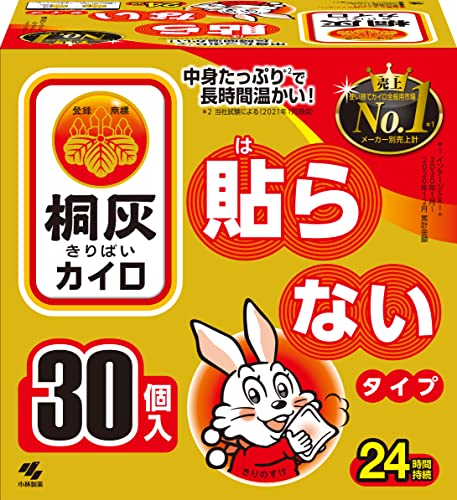
Sakura season weather is wildly unpredictable. Late March in Tokyo can be 22°C and sunny or 8°C and pouring. Often both in the same week.
Real talk: you need layers. A light down jacket for cold mornings, a t-shirt for warm afternoons, and rain gear. Always rain gear.


Hanami like a local
Hanami isn’t just “looking at flowers.” It’s a picnic. A serious one. Japanese people claim prime spots in parks before dawn — sometimes a fresh hire from the company literally sleeps there overnight with a blue tarp.
You don’t need to go that hard. But here’s how to do it right:
- Blue ground sheet:Buy one at any 100-yen shop (Daiso, Seria, Can Do). About ¥110. This is the universal hanami signal that says “this spot is taken.”
- Konbini run:Hit up 7-Eleven or Lawson before you go. Grab onigiri (¥120–180 each), karaage (fried chicken, ¥250), sakura-themed sweets, and canned highballs or beer. Honestly, konbini food + cherry blossoms = one of the best meals you’ll have in Japan.
- Trash bags: Bring your own. Most hanami parks have zero trash cans. Carry out everything you bring in. This is non-negotiable.
- Arrive by 10am on weekends for a decent spot at popular parks. By noon, good luck.
Pro Tip
Book experiences early (seriously)
Sakura season is peak tourism. Hotels double in price and popular experiences sell out weeks in advance. Two things worth booking now:
Kimono rental in Kyoto:Walking through Higashiyama in a kimono during sakura is iconic for a reason. Shops near Kiyomizu-dera rent full sets for about ¥5,000–8,000 for the day. Book on Klook — you’ll get a better rate than walk-in and guaranteed availability.
Tea ceremony:Several traditional tea houses in Kyoto and Kanazawa offer sakura-season ceremonies with seasonal wagashi (sweets shaped like cherry blossoms). The Camellia Garden tea ceremony in Kyoto runs about ¥3,000 and books out fast.
Heads Up
Your sakura season checklist
- ☐ Check the JMC sakura forecast starting January
- ☐ Book hotels 3–4 months ahead
- ☐ Pack layers — it’s colder than you think
- ☐ Bring or buy a folding umbrella
- ☐ Download the Sakura Navi app for real-time bloom reports
- ☐ Buy a blue sheet at Daiso on day one
- ☐ Plan your hanami for the first clear day after full bloom
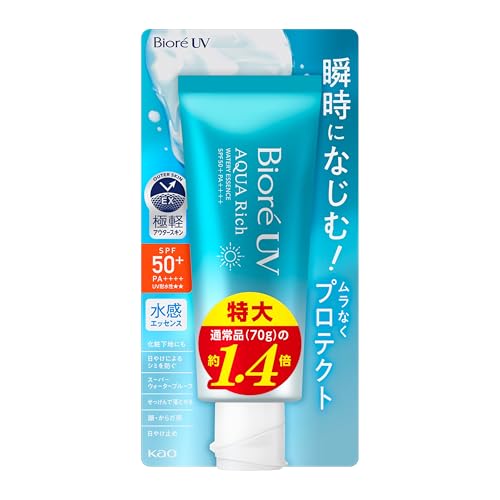
- ☐ Sunscreen. Yes, even in March.
Frequently Asked Questions
When do cherry blossoms bloom in Tokyo?
On average, Tokyo blooms from around March 22 to April 1, but those dates can swing by a week or more depending on winter temperatures. In 2023 Tokyo hit full bloom on March 22, while in 2012 it didn’t peak until April 6 — the same city with a two-week gap.
How long does the cherry blossom full bloom last?
Full bloom, or mankai, lasts only about 5 days. Before that you get half-open buds, and after that one windy afternoon can put the petals on the ground. Rain is especially brutal — one heavy spring shower can knock out 80% of the petals overnight.
What are the best cherry blossom spots that aren’t Ueno Park?
Great alternatives include the Meguro River in Tokyo, where trees arch over the canal with free night illuminations, and Shinjuku Gyoen, which has a ¥500 entry, no alcohol, and both early- and late-blooming varieties. For something spectacular, Yoshino in Nara has 30,000 trees that bloom in waves up the mountainside, and Hirosaki Castle in Aomori fills its moat with pink petals in late April.
How do I plan a trip around the short bloom window?
Stack two cities like Tokyo and Kyoto, since their bloom dates are usually offset by 5–10 days, so if you miss it in one you catch it in the other. Aiming for the late March to early April window overlaps with peak bloom in most of central Japan more years than not. If you can only travel in late April, go north to spots like Hirosaki Castle instead.
How expensive are Kyoto hotels during sakura season?
Sakura season is peak tourism, and standard business hotels in Kyoto can hit ¥30,000 per night when they normally run about ¥8,000. Book 3–4 months ahead, or stay in Osaka and take the 15-minute train into Kyoto to save money.
Disclosure
This article contains affiliate links. We may earn a commission when you buy through them, at no extra cost to you. Every pick is an honest recommendation.
Prepare before you arrive