

Best Japanese Summer-Limited Snacks 2026: What to Buy Before They’re Gone
Updated June 2026 · 14 min read
There’s a core rule to Japanese seasonal snacks worth learning before you go: production windows are measured in weeks, not months, and hesitation costs you the flavor entirely. A Setouchi lemon flavor can vanish from shelves by mid-August and never come back. Every summer between roughly late May and early September, Japanese manufacturers roll out dozens of limited-edition treats — from fruit-forward chocolates to cooling ramune-flavored gummies — then pull them without warning.
This 2026 guide covers the summer-limited Japanese snacks worth seeking out across konbini (convenience stores), supermarkets, and souvenir shops, with specific price ranges, where to find them, and honest flavor notes so you can pack smart and skip the duds.
Why Japan’s Summer Snacks Disappear So Fast
Japanese food manufacturers operate on a hyper-seasonal rotation that most visitors don’t expect. A single convenience-store chain like 7-Eleven Japan cycles through roughly 100 new snack SKUs per month across all categories, and summer-exclusive items account for about 20–30 of those. Once a batch sells through, restocking is not guaranteed — the shelf space goes to the next limited drop.
The practical effect: if you spot a summer flavor at a Lawson in Kyoto on Tuesday, don’t assume it’ll still be there on Thursday. Peak availability runs from the first week of June through late July. By Obon holiday (around August 13–16), many early-summer releases are already gone.
Price-wise, limited editions carry a small premium over standard lines. A year-round Pocky box runs about ¥170 at a konbini; its summer-limited counterpart typically costs ¥200–¥250. The same box resold overseas on Amazon or specialty importers runs $6–$9 — roughly 3x the Japan retail price.
Where to Hunt: Konbini, Supermarket, or Souvenir Shop
Not all summer snacks appear in the same channels. Knowing where each type lands saves you from wandering three konbini looking for something that only exists in supermarkets.
Convenience Stores (Konbini)
7-Eleven, FamilyMart, and Lawson each carry exclusive summer collaborations that don’t cross chains. A 7-Eleven premium ice bar won’t show up at Lawson. The snack aisle near the register is the fastest-rotating section — check it daily if you’re staying more than two nights. Average summer snack price: ¥150–¥350.
Supermarkets
Chains like AEON, Life, and Ito-Yokado stock larger-format bags (family packs of 10–12 individual pieces) that are better for souvenirs. Prices per unit drop significantly — a family pack of summer Pocky costs ¥400–¥500 versus ¥200–¥250 per single box at a konbini. Supermarket seasonal endcaps (the display at the end of an aisle) are refreshed every Monday or Tuesday.
Department Store Basements (Depachika)
Department store food halls carry premium summer wagashi (traditional sweets) and high-end chocolate assortments in elegant packaging. Expect ¥1,000–¥3,000 per box. These make polished gifts but aren’t the playful flavors you’ll find at konbini. If you’re shopping for something presentable, depachika at Mitsukoshi, Takashimaya, or Isetan are the move. You can read more about navigating depachika food halls in our separate guide.
Souvenir Shops & Station Kiosks
Airport and station souvenir shops carry regional summer exclusives — think Hokkaido melon chocolate or Kyoto matcha-lemon wafers. Pricing here runs 20–40% higher than the same brand at a nearby supermarket. A box of Tokyo Banana summer mango edition costs ¥1,180 at Tokyo Station versus ¥980 at AEON when available. Buy at the station only if you’re out of time.
Pro Tip
Side-by-Side: Summer 2026 Snack Picks at a Glance
Below is a quick-reference table covering the top summer-limited snacks worth your yen. Detailed flavor notes and buying tips follow in the sections after.
| Snack | Flavor Profile | Price Range | Best For | Where to Buy |
|---|---|---|---|---|
| KitKat Summer Mango | Tropical, sweet, white-choc base | ¥200–¥300 | Gifts (individually wrapped) | Konbini, supermarket |
| Pocky Setouchi Lemon | Tart citrus, biscuit crunch | ¥200–¥250 | Personal snacking | Konbini, Don Quijote |
| Calbee Summer Salt & Lemon Chips | Savory-citrus, thin-cut | ¥150–¥200 | Beer pairing, casual eating | Supermarket, konbini |
| Meiji Meltykiss Summer Peach | Creamy peach, melt-in-mouth | ¥280–¥350 | Chocolate lovers | Supermarket, depachika |
| Kasugai Ramune Gummy | Fizzy, soda-like, chewy | ¥120–¥180 | Budget gifts, kids | Konbini, 100-yen shops |
| Royce’ Summer Berry Chocolate | Rich berry, premium cocoa | ¥800–¥1,200 | Premium souvenir | Royce’ shops, airport |
| Country Ma’am Watermelon | Sweet, melon-adjacent, soft cookie | ¥250–¥350 | Novelty, group sharing | Konbini, supermarket |
| Uji Matcha Summer Castella | Bitter matcha, sponge, subtle sweet | ¥800–¥1,500 | Kyoto/Nara souvenir | Souvenir shops, depachika |
Summer Chocolates & Candy: The Flavors That Sell Out First
Chocolate in summer seems counterintuitive, but Japanese confectioners reformulate for heat resistance. Summer KitKats, for example, use a slightly harder coating that won’t smear in a 32°C bag. That said, keep them out of direct sunlight — a car dashboard in Osaka in July will defeat any formula.
KitKat Summer Mango (Nestlé Japan)
The 2026 summer mango KitKat uses Miyazaki mango powder layered over white chocolate. The sweetness hits immediately, followed by a tart edge that stops it from cloying. Each mini bar is individually wrapped, which makes these ideal for distributing as omiyage (souvenirs) — the Japanese custom of bringing back small gifts from trips. A box of 12 minis runs ¥540 at supermarkets, roughly ¥45 per piece.

Meiji Meltykiss Summer Peach
Meltykiss is normally a winter product — the original is designed to literally melt at mouth temperature. The summer peach version adjusts the formula with a slightly firmer shell and a peach cream center. At ¥300 per box of 10 pieces, it’s a moderate splurge. The peach flavor is based on Fukushima white peach, and it’s more floral than sugary. Availability tends to peak mid-June through late July.
One caveat: this is the pick most likely to suffer in transit if you’re moving between cities in summer without refrigeration. Toss it in a hotel fridge overnight before packing it in luggage.
Kasugai Ramune Gummy
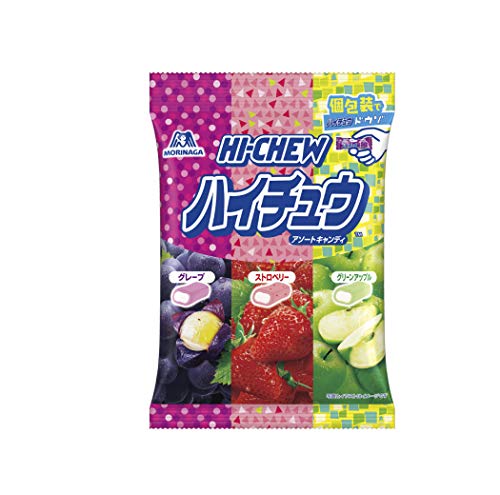
Kasugai gummies are a year-round staple, but the summer ramune edition amplifies the fizzy soda character with actual citric acid crystals embedded in the gummy surface. At ¥120–¥150 per bag, these are the cheapest summer-limited option on this list and an easy toss-in-the-basket purchase. Kids love them; adults will find them intensely sour for the first two seconds, then pleasantly sweet.
Summer Savory Snacks: Chips, Rice Crackers, and Senbei
Japan’s savory snack game in summer leans heavily on citrus and salt combinations that complement cold beer. If you’re checking into an Airbnb or hotel with a mini-fridge, grab a tall can of Asahi and a bag of these.
Calbee Summer Salt & Lemon Chips
Calbee is the dominant potato chip brand in Japan, holding roughly 70% market share. Their summer salt-and-lemon variant uses Setouchi lemon zest and sea salt from the Seto Inland Sea — a pairing that’s become so iconic it influenced an entire sub-genre of summer seasonings in Japan. The chips are cut thinner than standard Calbee, which makes them crispier but also means you’ll burn through a bag in about eight minutes.
A 65g bag costs ¥160 at a konbini; the 130g supermarket bag runs ¥230. If you’re looking for detailed recommendations on other Japanese snacks to bring home, the year-round favorites are covered in a separate piece.
Happy Turn Summer Ume (Plum) Flavor
Happy Turn is a rice cracker wrapped in a sweet-savory powder coating that Japanese people describe as "magic dust." The summer ume version replaces the standard powder with a sour plum seasoning that hits the back of the tongue. At ¥200 for a 96g bag, it’s cheap enough to try without commitment. Honest assessment: the ume version is polarizing. About half of non-Japanese tasters find the sourness too aggressive. If you already like umeboshi (pickled plum), you’ll love it. If you don’t, skip this one.
Bourbon Petit Summer Edamame Crackers
Bourbon’s Petit series produces tiny, snack-sized crackers in dozens of flavors. The summer edamame cracker uses real edamame powder and has a grassy, slightly sweet taste. Each tube costs just ¥100–¥120 and fits easily in a daypack. These won’t blow your mind, but they’re solid train snacks and the tube packaging prevents crushing.
Heads Up
Frozen Summer Treats You Can’t Take Home (But Must Try)
These don’t work as souvenirs, but they’re half the reason summer konbini visits feel like treasure hunts.
Akagi Gari Gari Kun Summer Soda
Gari Gari Kun is Japan’s best-selling ice pop — Akagi Nyugyo sells over 500 million bars per year. The summer 2026 soda flavor (a rotating variation on their classic ramune blue) uses a slightly lower sugar content and a crunchier ice texture than winter versions. Price: ¥70–¥80 per bar. At under ¥100, there’s no reason not to try one on every afternoon walk.
Häagen-Dazs Japan Summer Exclusives
Häagen-Dazs Japan operates as a separate joint venture from the US brand and produces Japan-only flavors. Summer 2026 features a Kyoho grape mini cup and a yuzu-honey Crispy Sandwich. The grape mini cup costs ¥351 at konbini — expensive for a small cup, but the Kyoho flavor is intensely real, nothing like artificial grape. Locals clear these out on weekends; weekday evenings are your best bet.
Regional Summer Souvenirs: One City, One Snack
Japan’s regional souvenir culture (omiyage culture) means certain summer snacks exist only in specific cities or prefectures. If you’re traveling between regions, here are the ones worth grabbing at station kiosks.
Hokkaido:Royce’ releases a summer berry Nama Chocolate each year, using Hokkaido cream and a mixed-berry ganache. A box of 20 pieces runs ¥800–¥1,200 depending on the specific line. Requires refrigeration — Royce’ shops at New Chitose Airport include ice packs automatically.

Kyoto/Kansai:Otabe and Tsujiri both produce summer-only matcha-citrus mochi sets. Otabe’s nama yatsuhashi (soft rice cake) with yuzu filling costs ¥600 for a 10-piece box at Kyoto Station. The yuzu cuts through the matcha bitterness in a way the standard red-bean version doesn’t attempt.
Okinawa: Purple sweet potato (beni-imo) tarts from Okashigoten are available year-round, but the summer mango-beni-imo crossover is limited to June through August. A box of 6 costs ¥1,100 at Naha Airport. The mango layer adds acidity that brightens the dense, starchy sweet potato base.
Tokyo:Tokyo Banana releases a summer mango flavor around late May. At ¥1,180 for 8 pieces at Tokyo Station, it’s priced for tourists but genuinely tasty — the banana custard gets a mango twist that works better than you’d guess from the packaging.
How to Build a ¥3,000 Summer Snack Haul
If you set a budget of ¥3,000 (roughly $20 USD at current rates), here’s a realistic haul that covers both personal snacking and souvenir obligations:
That ¥870 remainder covers either a Meiji Meltykiss Summer Peach box (¥300) and a mid-tier regional souvenir, or one Royce’ box if you stretch the budget slightly. The point is that summer-limited snacks don’t require big spending — most of the interesting items live in the ¥120–¥350 range.
Pro Tip
Packing Summer Snacks for the Flight Home
Checked luggage holds on most airlines are unpressurized and unheated — they hover around 7°C on long-haul flights, which is actually ideal for chocolate. The risk window is the time between leaving your hotel and reaching the airport’s air-conditioned interior. In summer Japan, that gap can expose snacks to 33–36°C heat for 1–3 hours.
Wrap chocolate items in a small towel inside your bag to insulate them. For Royce’ Nama Chocolate, keep the ice pack from the store and place it in a ziplock to prevent condensation from dampening packaging. Chips and rice crackers are heatproof but crush easily — put them in the center of your bag surrounded by clothing.
Customs note: packaged commercial snacks are allowed into the US, EU, UK, Australia, and most Asian countries without restriction. Fresh fruit-based items or anything containing meat (some senbei use dashi with bonito) can trigger declarations. When in doubt, check the ingredient list for 肉 (niku, meat) or declare it and let customs decide. For a broader look at packing strategies, check our guide to packing Japanese souvenirs safely.
Mistakes That Cost You the Best Summer Snacks
Waiting until the airport.Narita and Haneda stock some summer-limited items, but the selection is narrower than in-city konbini, and prices are 15–30% higher. A ¥540 KitKat box at AEON costs ¥680–¥720 at the airport gift shop. Buy in-city, pack in luggage.
Assuming flavors repeat.About 40% of summer-limited flavors return the following year; 60% don’t. Last year’s popular shiso (perilla) KitKat didn’t come back in 2026. If you see something interesting, buy it on the spot.
Ignoring smaller brands.Tourists gravitate toward KitKat, Pocky, and Calbee because they recognize the names. Brands like Bourbon, Kasugai, and Glico’s sub-lines (like Collon and Pretz) produce equally creative summer editions at lower prices. The Bourbon Petit Edamame cracker mentioned above is a good example — it’s not flashy, but at ¥100 a tube, the value-to-flavor ratio is excellent.
Overbuying chocolate in July/August.If you’re visiting during peak summer (late July through mid-August), prioritize non-melt items like chips, gummies, and rice crackers for bulk souvenirs. Save chocolate purchases for your last day and keep quantities manageable.
Japan Seasonal Candy Summer 2026: Month-by-Month Timeline
Understanding when different releases land helps you plan around your travel dates.
Late May – Early June:First wave of summer-limited drops. KitKat, Pocky, and Meiji typically launch their flagship summer flavors in this window. Konbini receive stock first, supermarkets follow 3–5 days later. This is the widest selection window.
Mid-June – Late July: Peak availability. Most items are fully stocked across channels. Regional summer souvenirs appear in station kiosks. This is the easiest window for snack hunting.
August (Obon period and beyond): Early-summer items begin selling through. Some konbini rotate in late-summer or early-autumn previews (like sweet potato flavors) alongside remaining summer stock. Selection narrows but markdown opportunities increase.
September:Summer items are largely gone. Autumn flavors (chestnut, sweet potato, pumpkin) dominate. Stragglers may survive in supermarket clearance bins at 30–50% off, but don’t count on finding specific flavors.
Frequently Asked Questions
Can I buy Japanese summer-limited snacks online from outside Japan?
Some appear on Amazon Global and specialty importers like Bokksu or Japan Crate, but availability is spotty and prices run 2–4x Japan retail. A ¥200 Pocky Setouchi Lemon box typically costs $7–$9 on US Amazon. Buying in Japan remains significantly cheaper, and you get first access to items that may sell out before online retailers stock them.
How long do summer-limited snacks stay fresh?
Most packaged snacks carry a best-by date 3–6 months from production. Chocolate items tend toward the shorter end (3–4 months); chips and rice crackers last 4–6 months. Nama Chocolate (like Royce’) has a much shorter window of about 30 days and requires refrigeration. Check the packaging for 賞味期限 (shōmi kigen), which is the best-by date.
Are there any summer snacks that are allergen-friendly?
Japanese labeling law requires disclosure of 8 major allergens (wheat, buckwheat, egg, milk, peanut, shrimp, crab, walnut). Most summer chips from Calbee are dairy-free and egg-free, though they’re typically made in facilities that handle wheat. Kasugai gummies are generally free of the top 8 allergens, but always check the package — Japanese allergen labels use bold-highlighted kanji. If you can’t read the label, use Google Lens or the translation camera in the Google Translate app to scan the ingredient panel.
Do summer snacks qualify for tax-free shopping?
Yes. Consumable goods (including food and snacks) qualify for tax-free treatment when the total purchase at a single store reaches ¥5,000 or more (before tax). Stores with the "Tax Free" sign will package tax-free items in a sealed bag that you’re not supposed to open until you leave Japan. This works well for bulk snack purchases at Don Quijote or AEON, where hitting the ¥5,000 threshold is straightforward.
What’s the best konbini chain for summer snack variety?
7-Eleven Japan generally carries the widest snack assortment among the three major chains, followed by Lawson and then FamilyMart. However, Lawson tends to have the most creative konbini-exclusive collaborations (like their Uchi Café dessert line), while FamilyMart occasionally stocks items from smaller regional producers that the other chains skip. The real strategy is to check all three — they’re never more than a few blocks apart in any Japanese city.
Can I bring summer snacks into the US/EU/Australia?
Commercially packaged snacks (chocolate, chips, cookies, gummies, rice crackers) are permitted in all three regions without issue. Items containing meat-based flavoring (some senbei use dashi stock with bonito) may require declaration in Australia under their strict biosecurity rules. The US and EU are generally lenient with commercially sealed packaged goods. When uncertain, declare the item on your customs form — there’s no penalty for declaring, but there can be fines for not declaring.
Disclosure
This article contains affiliate links. We may earn a commission when you buy through them, at no extra cost to you. Every pick is an honest recommendation.
Get Japanese snacks delivered