

7 Best Shopping Districts in Japan for Tourists: Tokyo, Osaka & Beyond (2026)
Updated June 2026 · 14 min read
It’s easy to burn an entire afternoon wandering Shinjuku with a half-empty suitcase and zero plan, only to realize the sunscreen you wanted was three train stops away in Shibuya and the kitchen knife you’d been eyeing was back in Nihonbashi. The seven districts below are the ones worth returning to—each with a different specialty, a different price tier, and a different reason to visit. If you’re trying to figure out where to shop in Japan as a tourist, this district-by-district breakdown gives you the exact stores, price levels, and tax-free policies so you can plan an efficient shopping itinerary instead of wandering blind.
Every district is ranked by what it does best, with specific store names, floor-level tips, and pricing context. We’ve also included a side-by-side comparison table so you can see everything at a glance before mapping out your route.
Side-by-Side: What Each District Does Best
This table covers the core decision factors: what category of goods each district excels at, the general price tier, whether tax-free shopping is widely available, and the signature store you should hit first.
| District | Best For | Price Tier | Tax-Free? | Anchor Store |
|---|---|---|---|---|
| Shinjuku (Tokyo) | Drugstores, beauty, electronics | Mid | Yes, widely | Don Quijote Kabukicho |
| Shibuya (Tokyo) | Fashion, streetwear, beauty | Mid–High | Yes, most stores | Shibuya Parco / Mega Don Quijote |
| Akihabara (Tokyo) | Electronics, anime, figures | Low–Mid | Yes, major chains | Yodobashi Camera Akiba |
| Ginza (Tokyo) | Luxury, department stores, cosmetics | High | Yes, all department stores | Mitsukoshi Ginza |
| Shinsaibashi (Osaka) | Drugstores, snacks, fashion | Low–Mid | Yes, widely | Daimaru Shinsaibashi / Kokuminドラッグ |
| Nihonbashi (Tokyo) | Traditional crafts, knives, depachika | Mid–High | Yes, department stores | Mitsukoshi Nihonbashi |
| Harajuku/Omotesando (Tokyo) | Indie fashion, skincare, cafés | Mid–High | Varies by store | Laforet Harajuku / @cosme Tokyo |
The decision rule is simple: match your shopping list to the district’s strength. If 80% of your list is beauty and drugstore items, start in Shinjuku or Shinsaibashi. If you’re after luxury cosmetics or high-end fashion, Ginza is the only answer. Mixing categories? Hit Shinjuku first for the widest variety per square meter, then branch out.
1. Shinjuku — The One-Stop District for Drugstore Hauls and Electronics
Shinjuku station handles 3.5 million passengers daily, and the shopping infrastructure around it matches that scale. The east side alone has at least eight major drugstores within a 10-minute walk—Matsumoto Kiyoshi, Sundrug, Daikoku Drug, Welcia, and more. Prices are competitive because these stores are all watching each other. Anessa Perfect UV turns up at ¥2,480 at one Sundrug and ¥2,280 at the Daikoku Drug literally across the street.
Don Quijote Kabukicho (the massive blue building near the Toho Godzilla cinema) is open 24 hours and offers tax-free on purchases over ¥5,000 for foreign passport holders. The beauty floor on B1 carries everything from Canmake to SK-II. Above that: snacks, kitchenware, luggage, costumes, and about 4,000 other categories crammed into tight aisles.
For electronics, Yodobashi Camera Shinjuku West is a nine-story behemoth. Rice cookers, hair dryers, and voltage converters all sit on the same floor. Prices are fixed but include point-card discounts (typically 10% back) that effectively lower the price. If you’re hunting for the right Japanese kitchen appliance, check our rice cooker buying guide before heading in.
Pro Tip
2. Shibuya — Fashion-Forward Finds and the Scramble Crossing Tax-Free Zone
Shibuya has changed dramatically since Shibuya Scramble Square, Miyashita Park, and the revamped Parco reopened. The district now leans toward mid-to-high-end fashion, streetwear, and curated beauty—less “bulk drugstore haul” and more “one perfect thing.”
Shibuya Parco floors 1–5 house brands like Comme des Garçons, Undercover, and fragment design pop-ups. Floor B1 has Nintendo Tokyo (now Nintendo Shibuya) for exclusive merchandise you can’t get at general retailers. The 6th floor Parco Museum sometimes hosts limited-edition brand collaborations.
For drugstore shopping, Mega Don Quijote Shibuya Honten is seven floors of chaos. It’s bigger than the Shinjuku location and slightly less crowded after 9 PM. Beauty items occupy the 2nd floor; Japanese snacks and instant ramen fill the 3rd. Tax-free counter is on B1—take the escalator down, not the elevator, to avoid the line that forms in the lobby.
Loft in Shibuya (inside the Mark City building) remains one of the best stationery destinations in Tokyo. Three floors of pens, notebooks, washi tape, and seasonal goods. Prices are standard retail—no discount, no tax-free on most items under ¥5,000—but the selection is unmatched.
3. Akihabara — Electronics, Anime, and Secondhand Bargains
Akihabara’s identity has shifted over the decades. It started as an electronics black market in the postwar era, became the anime and gaming capital in the 2000s, and now sits somewhere between the two. For tourists, the practical split is: big-box stores for new electronics, side-street shops for anime goods and secondhand finds.
Yodobashi Camera Akiba is the district’s anchor—nine floors of consumer electronics with English-speaking staff on the 1st and 4th floors. A Zojirushi NP-BL10 rice cooker that retails for $380 on Amazon US is ¥29,800 here (roughly $200 USD at typical exchange rates), plus a 10% point-back if you use a Yodobashi point card. Tax-free processing happens at a dedicated counter on B1.

For anime figures and collectibles, Mandarake Complex (8 floors, each specializing in a different era/genre) is the go-to for secondhand rarities. Prices vary wildly—the same Nendoroid figure can be ¥800 on the 5th floor and ¥1,400 on the 3rd. Check multiple floors before buying.
Heads Up

One thing that consistently disappoints in Akihabara: the food. Unlike Shinjuku or Shibuya, restaurant options around Akiba station are limited and touristy. Eat before you arrive, or grab an onigiri from the Lawson at the station and keep shopping.
4. Ginza — Luxury Department Stores and the Best Depachika in Tokyo
Ginza is where Tokyo does luxury. The price floor is higher than any other district on this list, but so is the curation. If your shopping list includes Shiseido’s Japan-exclusive Clé de Peau lines, Mikimoto pearls, or traditional Japanese crafts with proper provenance, Ginza is the only serious destination.
Mitsukoshi Ginza operates across 12 floors. The cosmetics department occupies the ground floor and B1, with counters for both international brands and Japan-only lines like SUQQU and Decorté. Tax-free processing is handled at a central counter on the 9th floor—bring your passport and all receipts at the end of your visit, not between purchases.
The real Ginza secret is the depachika (department store basement food halls). Mitsukoshi Ginza B2 and B3 are a maze of wagashi (Japanese sweets), fresh sashimi, bento boxes, and seasonal confections. Toraya yōkan (¥1,620 for a boxed set) and Ginza Sembikiya fruit parfaits (¥2,200) make ideal gifts that look far more expensive than they are. For more food souvenir ideas, see our Japanese snack souvenir picks.

Japanese department stores, as a format, typically operate across five to ten stories with a consistent floor plan: cosmetics at ground level, women’s fashion on the lower floors, men’s fashion and sports above, then lifestyle and stationery, with restaurants at the top. Knowing this pattern saves time in any Japanese department store, not just Ginza.
Pro Tip
5. Shinsaibashi (Osaka) — The Loudest, Cheapest Drugstore Strip in Japan
Shinsaibashi-suji is a 600-meter covered arcade running north-south through Osaka’s shopping core. Every third store is a drugstore, and the price competition is vicious. There are seven drugstores between Shinsaibashi station and Dotonbori bridge alone—Matsumoto Kiyoshi, Daikoku Drug, OS Drug, Kokumin, and three independents all within shouting distance of each other.
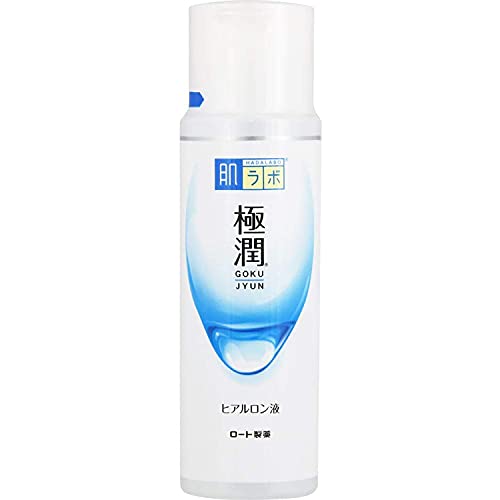
Osaka drugstores tend to run ¥50–¥200 cheaper per item than Tokyo equivalents, especially on beauty staples. Hada Labo Gokujyun Lotion: ¥690 at a Daikoku Drug in Shinsaibashi vs. ¥790 at Matsumoto Kiyoshi in Shinjuku. That gap adds up over a 20-item haul. Locals in Osaka know to check OS Drug first—it’s a regional chain that prices aggressively on popular tourist items.
Beyond drugstores, Daimaru Shinsaibashi (reopened in 2019 after a full rebuild) is a stunner. The cosmetics floor carries Japan-exclusive lines, and the B2 food hall rivals Ginza depachika for wagashi selection. The Pokémon Center on the 9th floor is smaller than the Tokyo locations but has Osaka-exclusive Pikachu merchandise.
Walk south from Shinsaibashi-suji and you hit Dotonbori, where the shopping shifts to food and street snacks. Pick up Osaka-only souvenir boxes (Rikuro’s cheesecake, ¥965 per cake) here, but skip the tourist-priced takoyaki stands and go one block east to Wanaka (¥500 for 8 pieces vs. ¥750 at the canal-facing stalls).
6. Nihonbashi — Traditional Crafts, Kitchen Knives, and Old-School Department Stores
Nihonbashi doesn’t get the tourist foot traffic of Shinjuku or Shibuya, and that’s part of the appeal. The area around Mitsukoshi Nihonbashi (the original flagship, established 1673 as a kimono shop) is quieter, cleaner, and oriented toward high-quality traditional goods rather than mass-market hauls.
Mitsukoshi Nihonbashi itself is worth a visit for the architecture alone—the main hall has a soaring atrium with a massive Tennyo (celestial maiden) statue. Shopping-wise, the 5th floor carries traditional Japanese crafts: Kutani ware, Noritake porcelain, lacquerware, and furoshiki wrapping cloths. These items are priced at retail (a Kutani sake cup set starts around ¥5,500), but authenticity is guaranteed and gift wrapping is meticulous.
The depachika at Mitsukoshi Nihonbashi is considered one of Tokyo’s best. The variety of Japanese sweets and seasonal confections is deeper than Ginza, and the staff are less hurried. Expect to spend 30–45 minutes browsing.
For kitchen knives, walk 10 minutes east to Kiya (木屋), a knife shop operating since 1792. A mid-range santoku knife runs ¥8,000–¥15,000 depending on steel type. They’ll engrave your name in Japanese on the blade for free if you buy above ¥10,000. If knives are a priority, our Japanese kitchen knife buying guide has detailed steel comparisons.
Pro Tip
7. Harajuku & Omotesando — Indie Beauty, Streetwear, and Instagram-Era Shopping
Harajuku and Omotesando sit side by side but serve different shoppers. Takeshita-dori (Harajuku’s narrow pedestrian street) is packed with ¥300 accessory shops, crepe stands, and youth fashion stores. Omotesando (the tree-lined boulevard one block south) is architecture-forward luxury: Tadao Ando’s concrete Omotesando Hills mall, the flagship Dior building by SANAA, and standalone boutiques for Issey Miyake and Yohji Yamamoto.
The most useful stop for tourists is @cosme Tokyo in Harajuku (opened 2020). This three-floor beauty store is organized by Japan’s largest cosmetics review site (@cosme) and ranks products by real user ratings. The “Best Cosmetics” corner on the 1st floor rotates monthly and features top-rated items with tester stations. Staff speak English and can process tax-free at the 2nd floor register.
Laforet Harajuku, the angular building at the Meiji-dori intersection, houses about 140 small shops across six floors. Most are Japanese indie brands you won’t find outside Japan. Floors 0.5–2 focus on women’s fashion; floors 3–5 carry accessories, vintage, and niche beauty. Tax-free is available at participating shops (look for the red “TAX FREE” sticker on the entrance).
On Sundays, the area near Yoyogi Park entrance fills with street performers and vintage sellers. Quality varies, but vintage kimono jackets (haori) turn up for ¥2,000–¥4,000—less than half of what touristy kimono rental shops charge.
Japan Shopping Tips Every Tourist Should Know in 2026
Tax-Free Shopping Rules
Foreign tourists with a “temporary visitor” stamp in their passport can buy goods tax-free (saving the 10% consumption tax) at participating stores. The minimum purchase threshold is ¥5,000 per store per day. Consumables (food, cosmetics, drinks) and general goods (electronics, clothing) can now be combined toward that ¥5,000 minimum at most major retailers. As of 2026, the Japanese government is transitioning to an electronic tax-free system—meaning some stores no longer staple paper receipts into your passport. Instead, they scan your passport and the data is transmitted digitally.
Payment Methods
Cash is still king in smaller shops, but major chains (Don Quijote, Matsumoto Kiyoshi, Yodobashi, all department stores) accept Visa, Mastercard, and increasingly Alipay and WeChat Pay. Apple Pay works at any store with an IC card reader (look for the Suica/Pasmo symbol). Carry at least ¥10,000 in cash for markets, indie shops, and vending machines.
The Suitcase Math
Most international flights from Japan allow 23 kg per checked bag. A typical beauty haul (15–20 items) weighs about 3–4 kg. A rice cooker adds 4–6 kg. A knife set in its box adds 1–2 kg. If you’re buying across multiple categories, weigh your suitcase at the hotel before your last shopping day. Yamato Transport (Kuroneko) can ship boxes from any convenience store to Narita or Haneda for ¥1,500–¥2,500, which buys you breathing room.
Who Should Go Where: Planning by Shopping Priority
If your primary goal is a beauty and skincare haul, start in Shinsaibashi (Osaka) or Shinjuku (Tokyo). Both districts have the highest density of drugstores with competitive pricing. Shinsaibashi edges out Shinjuku on price by ¥50–¥200 per item on average, but Shinjuku has longer operating hours.
If you’re focused on electronics and appliances, Akihabara is the obvious choice for selection, but Yodobashi Camera Shinjuku West is equally good on price and has the advantage of being open until 10 PM. The Akihabara location closes at 9:30 PM.
For gifts and traditional crafts, Nihonbashi and Ginza are the strongest pair. Hit Nihonbashi for knives, ceramics, and lacquerware, then walk 15 minutes south to Ginza for depachika sweets and cosmetics. Both are on the same subway line (Ginza Line), making the connection painless.
For fashion and streetwear, Harajuku for indie/youth brands and Shibuya Parco for designer labels. These two areas are a 10-minute walk apart. Start at Harajuku station, walk Takeshita-dori south, cut through Cat Street, and end at Shibuya Parco.
Heads Up
Best Times to Shop: Seasonal Sales and Store Hours
Japan has two major sale seasons: New Year (fukubukuro) from January 1–3, and summer salesstarting in early July. Fukubukuro (“lucky bags”) are sealed grab bags sold by most retailers at steep discounts. Department stores in Ginza and Nihonbashi sell out their fukubukuro within hours. If you’re visiting during New Year, queue by 8 AM at your target store.
Summer sales (typically July 1–15) see 30–50% off at fashion retailers in Shibuya, Harajuku, and Shinsaibashi. Drugstore prices don’t change much during sales—they’re already margin-thin.
Most department stores open at 10:00 or 10:30 AM and close at 8:00 PM. Drugstores typically run 9:00 AM to 10:00 PM, though Don Quijote locations are 24 hours. Electronics stores open at 9:30 AM and close between 9:00 and 10:00 PM. Plan your route so you start with department stores (which close earliest) and end with Don Quijote or 24-hour convenience stores.

Frequently Asked Questions
What is the best shopping area in Japan for first-time tourists?
Shinjuku is the safest starting point. It has the widest mix of drugstores, electronics, department stores, and discount shops within walking distance of one station. Don Quijote Kabukicho alone covers beauty, snacks, electronics, and souvenirs in a single building with 24-hour access and tax-free processing.
Is shopping cheaper in Tokyo or Osaka?
Osaka is slightly cheaper for drugstore and beauty items—typically ¥50–¥200 per item less than equivalent Tokyo stores. Shinsaibashi’s drugstore competition is fiercer than anywhere in Tokyo. However, Tokyo has wider selection for electronics, luxury goods, and niche items. If price is your only concern and your list is mostly skincare and snacks, shop in Osaka.
How does tax-free shopping work in Japan?
Spend ¥5,000 or more at a single participating store in one day, show your passport (with a temporary visitor stamp), and the store deducts the 10% consumption tax at checkout or at a dedicated tax-free counter. Consumables (cosmetics, food, drinks) are sealed in a bag that you’re not supposed to open until you leave Japan. General goods (clothing, electronics) have no such restriction. In 2026, many stores use electronic tax-free processing instead of paper receipts.
Can I ship purchases to my hotel or the airport?
Yes. Yamato Transport (Kuroneko Takkyubin) is available at most convenience stores (7-Eleven, FamilyMart, Lawson). Fill out a slip (English versions available at 7-Eleven), pay ¥1,500–¥2,500 per box, and it arrives at your hotel or the airport within 1–2 days. Department stores also offer direct shipping to your hotel for free on purchases above certain thresholds (typically ¥10,000).
What should I avoid buying at airport duty-free shops?
Drugstore beauty items. Narita and Haneda duty-free shops carry popular items like Shiseido and SK-II, but prices are 10–30% higher than city drugstores even after the duty-free discount. The exception is alcohol and tobacco, which are genuinely cheaper at airport duty-free due to excise tax exemptions. Buy your beauty haul in the city; buy your whisky at the airport.
Are credit cards widely accepted in Japan’s shopping districts?
At major chains (Don Quijote, Matsumoto Kiyoshi, Yodobashi Camera, all department stores), yes—Visa, Mastercard, and American Express are accepted. Smaller indie shops in Harajuku, vintage stores in Akihabara, and market stalls are often cash-only. Carry at least ¥10,000–¥20,000 in cash for flexibility. ATMs at 7-Eleven and Japan Post accept international cards with no issues.
Disclosure
This article contains affiliate links. We may earn a commission when you buy through them, at no extra cost to you. Every pick is an honest recommendation.
Prepare before you arrive