

Japan Tax-Free Shopping 2025: A Practical Guide for Tourists
Updated June 2025 · 14 min read
Japan Shop Helper Editorial
Tokyo-based · prices & fees verified on real orders
Japan’s 10% consumption tax applies to nearly everything you buy — from a ¥150 onigiri at a convenience store to a ¥50,000 Japanese kitchen knife. As a foreign tourist, you can legally skip that tax on most purchases, saving thousands of yen over a typical trip. The system is straightforward once you understand the rules, but small mistakes (wrong passport page, spending ¥30 short of the minimum) can cost you.
This guide covers how Japan’s tax-free system works right now in 2025, which stores participate, what you need to bring, the exact minimum-spend thresholds, and the major upcoming change scheduled for November 2026. Whether you’re stocking up on skincare at Matsumoto Kiyoshi or buying stationery at Tokyu Hands, these tips will keep more yen in your wallet.
How Japan’s Tax-Free System Works in 2025
Japan’s tax-free shopping system is an exemption at the point of sale, not a refund you claim later. When you buy qualifying goods at a participating store and show your passport, the store deducts the 10% consumption tax immediately. You walk out paying the pre-tax price.
This is different from Europe’s VAT refund model, where you pay full price and then queue at the airport for a partial refund. In Japan (at least until the 2026 reform), there’s no airport counter, no paperwork to mail, and no waiting weeks for money to appear on your credit card statement.
The store records your purchase electronically against your passport number. Japanese customs can check this record when you leave the country. If you consumed tax-free goods inside Japan (like food or cosmetics you were supposed to take home), customs can theoretically charge you the tax on departure — though enforcement has historically been spotty.
Who Qualifies for Tax-Free Shopping
You qualify if you meet all three of these conditions:
Foreign residents with work visas, student visas, or other long-term statuses do not qualify. If you entered on a temporary visitor stamp but later changed to a different status, you lose eligibility from the date of the status change.
Japanese nationals living abroad can sometimes qualify if they’ve lived outside Japan for two or more consecutive years and are visiting temporarily, but the documentation requirements are stricter. Most stores will need to see proof of foreign residency.
Heads Up
Two Categories of Tax-Free Goods — and the Minimum Spend
Japan splits tax-free eligible items into two categories, each with its own rules:
1. General Items (一般物品)
These are durable goods you won’t consume in Japan: electronics, clothing, shoes, bags, watches, kitchen knives, stationery, and similar products. The minimum purchase is ¥5,000 (tax-exclusive) per store per day. There is no upper limit. You can open and use general items during your trip — wear those shoes around Kyoto, use that pen at your hotel.
2. Consumable Items (消耗品)
Food, drinks, cosmetics, skincare, medicine, tobacco, and similar items fall here. The minimum is also ¥5,000 per store per day, but there’s an upper limit of ¥500,000. The store will seal consumables in a designated bag or box. You’re not supposed to open the sealed packaging until you’ve left Japan. In practice, many tourists do open them during their trip, and enforcement at departure is inconsistent — but technically, customs can charge you the tax if they catch it.
Combining Categories
Many stores allow you to combine general and consumable items toward the ¥5,000 minimum. When you do this, all itemsget treated as consumables: everything gets sealed, and you technically can’t open any of it until you leave Japan. This matters if you want to use a product during your trip. If you’re buying a mix and some items are things you want to use immediately (like a new jacket), ask the staff to process them separately so the general items stay usable.
Pro Tip
Where You Can Shop Tax-Free
Only stores registered as “tax-free shops” (免税店, menzei-ten) with the Japanese tax authority can offer the exemption. Look for the red-and-white “Japan. Tax-free Shop” logo, typically displayed at the entrance or near the register. As of 2025, there are over 50,000 participating stores across Japan. Here are the most common places tourists shop tax-free:
Drugstores
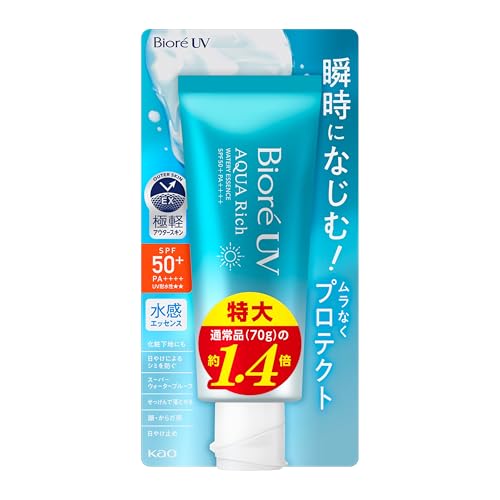
Chains like Matsumoto Kiyoshi, Sugi Pharmacy, Daikoku Drug, Welcia, and Sundrug are popular with tourists for Japanese skincare, cosmetics, and OTC medicine. Most branches in tourist-heavy areas have dedicated tax-free counters. Some smaller neighborhood branches may not participate, so check for the logo.
Department Stores
Major chains — Isetan, Mitsukoshi, Takashimaya, Daimaru, Hankyu — all offer tax-free shopping. Japanese department stores often spread across five to ten floors, with cosmetics on the ground level, fashion on middle floors, and a basement food hall (depachika) packed with sweets and bento. Most department stores have a centralized tax-free counter, usually on one specific floor. You pay full price at each individual shop counter, then bring all your receipts and passport to the tax-free desk for a lump refund before leaving the building.
Electronics Stores
Bic Camera, Yodobashi Camera, and Yamada Denki handle tax-free at the register. These stores also have their own point-card systems. At Bic Camera, foreign tourists typically earn 7% points on tax-free purchases (versus 10% for taxed purchases). The combined discount — 10% tax off plus 7% in points — still makes for significant savings on items like cameras, headphones, and rice cookers.
Specialty Shops and Malls
Don Quijote (the 24-hour discount chain), Loft, Tokyu Hands, Uniqlo, and Muji all participate. Shopping malls like AEON, LaLaport, and Mitsui Outlet Parks often have a centralized tax-free counter that aggregates purchases from multiple tenants — similar to department stores.
Convenience Stores
7-Eleven, Lawson, and FamilyMart do not offer tax-free shopping. Neither do most small independent shops, ramen restaurants, or street food vendors. The exemption is largely limited to retail, not food service.
Step-by-Step: Making a Tax-Free Purchase
Here’s exactly what happens at the register:
At department stores, the process differs slightly. You pay the full tax-included price at each counter within the store, collect your receipts, then visit the dedicated tax-free counter (often on the ground floor or a service floor). The staff there processes all receipts at once, verifies your passport, and gives you a cash or credit card refund for the tax portion. Some department stores deduct a small handling fee (typically 1.1%) from the refund.
Pro Tip
Duty-Free vs. Tax-Free: They’re Not the Same Thing
These two terms get confused constantly, but they refer to different systems:
Tax-free (免税, menzei)means exemption from Japan’s 10% consumption tax. This happens at regular retail stores in the city, as described above.
Duty-free (免税, also menzei, but context differs)in the airport sense means exemption from customs duties, consumption tax, and other levies on goods sold in the international departure area. Airport duty-free shops — like those in Narita, Haneda, or Kansai after you clear security — sell alcohol, tobacco, perfume, and luxury goods without these taxes.
The prices and selection differ between the two. Airport duty-free is great for whisky and cigarettes but rarely competitive for Japanese cosmetics, snacks, or stationery. For those items, city-based tax-free stores usually beat airport prices.
7 Common Tax-Free Mistakes Tourists Make
1. Forgetting your passport
No passport, no tax exemption. The store cannot process the purchase retroactively when you come back later with your passport. Carry it in a secure pouch or slim passport wallet whenever you plan to shop.

2. Falling short of ¥5,000
The threshold is per store, per day. If you spend ¥4,800 at one branch and ¥4,800 at another branch of the same chain, neither qualifies — each branch is a separate store. Consolidate your buying when possible.
3. No entry stamp in passport
Japan’s automated immigration gates at Narita and Haneda don’t always stamp your passport. After passing through the gate, walk to the nearby stamp counter and ask an officer to add a “temporary visitor” stamp. Without it, store staff may refuse the exemption.
4. Opening sealed consumables
Consumable goods get sealed in a bag marked “Do not open in Japan.” If customs at the airport finds opened items, they can charge you the 10% tax. If you know you want to use something during your trip (like a face wash), buy it separately at full price and save the tax-free purchase for items you’ll take home sealed.
5. Confusing tax-free stores with regular stores
Not every branch of a chain participates. A Matsumoto Kiyoshi in a residential neighborhood might not have tax-free service, while the one near Shibuya station does. Look for the red “Japan. Tax-free Shop” sticker at the entrance.
6. Assuming you get a refund at the airport
Under the current 2025 system, there is no airport refund counter for consumption tax. If a store charged you full price and you forgot to request tax-free, that money is gone. (This will change in 2026 — more on that below.)
7. Shipping tax-free goods home before departure
If you mail tax-free items from Japan (via post office or a shipping service) before you personally depart, customs technically considers you to have consumed them domestically. Some travelers do this without issue, but it’s a gray area that could trigger a tax charge at the airport if audited.
Best Tax-Free Stores by Shopping Category
Where you shop depends on what you’re buying. Here’s a quick breakdown:
Skincare and Cosmetics
Drugstores are your best bet for Japanese brands (Hada Labo, Melano CC, Canmake). Prices are lower than department stores, and the tax-free counter is usually right at the register. For luxury brands (SK-II, Shiseido prestige lines, Decorté), department store ground-floor counters offer the full range with tax-free processing upstairs.
Japanese Kitchen Knives
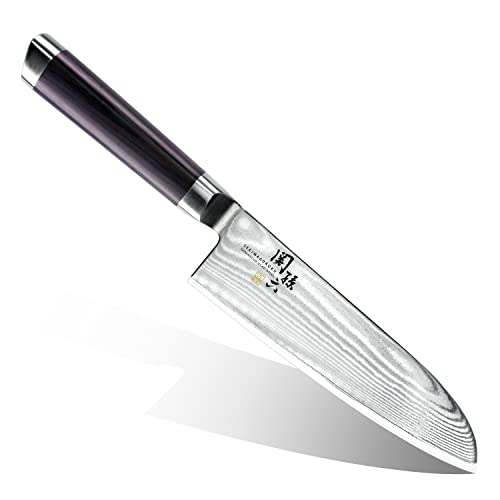
Specialty knife shops in Kappabashi (Tokyo) and Nishiki Market area (Kyoto) are often tax-free registered. A single quality knife can easily exceed ¥10,000, so you’ll save ¥1,000 or more per knife. Stores like Tsubaya and Aritsugu are well-known among tourists.
Stationery
Loft, Tokyu Hands, and Itoya (Ginza) carry enormous selections of pens, notebooks, and washi tape. Individually, these items are cheap, but they add up fast. A basket of Pilot pens, Midori notebooks, and mt masking tape can easily clear ¥5,000.
Snacks and Sweets
Don Quijote and department store basement food halls (depachika) are great sources. Regional Kit Kat flavors, Tokyo Banana, and Royce chocolate are classic souvenirs. Remember: snacks are consumables, so they’ll be sealed. Buy separately any treats you want to eat during your trip.
Electronics
Bic Camera and Yodobashi Camera handle everything from Sony headphones to Panasonic beauty devices. For the best combined discount, look for the Bic Camera x Suica card promotions or foreign tourist coupon codes available on travel apps — stacking points on top of the tax exemption.
Big Change Coming: The November 2026 Refund-Based System
Japan’s government has announced a fundamental shift in how tax-free shopping works, scheduled to take effect in November 2026. Here’s what’s changing:
Current system (2025): You pay the pre-tax price at the store. The tax is never collected.
New system (November 2026):You pay the full tax-included price at the store. When you leave Japan, you claim a refund at the airport (or port). The exact mechanism — whether it’s a cash refund counter, automatic credit card rebate, or electronic system — hasn’t been finalized as of mid-2025.
The main reason for this change is to combat fraud. Under the current system, some people buy goods tax-free, then resell them within Japan at tax-included prices, pocketing the 10% difference. By collecting tax upfront and only refunding it at departure, the government ensures the goods actually leave the country.
For tourists, this means:
If you’re traveling to Japan before November 2026, the current system still applies. Take advantage of the simpler process while it lasts.
Heads Up
How to Maximize Your Tax-Free Savings
The 10% exemption is automatic once you qualify, but smart planning can amplify your total savings significantly.
Consolidate purchases
Decide in advance which store you’ll buy which category of items from. If you know you want skincare and snacks from the same drugstore, buy them together in one trip. Spreading small purchases across three different stores on three different days likely means none of them hits ¥5,000.
Stack discounts
Many stores offer tourist-specific discount coupons (typically 5–7% off) on top ofthe tax exemption. Don Quijote’s welcome coupon, Bic Camera’s foreign tourist coupon, and Matsumoto Kiyoshi’s app coupons all stack with tax-free. Download relevant store apps before your trip.
Time your big purchases
If you’re buying something expensive — a camera, a high-end knife, a luxury handbag — do it at the start of your trip so you can carry it out of Japan with you (relevant for customs). For consumables you can’t open, buy them toward the end so you’re not lugging sealed bags around for two weeks.
Use the JNTO Tax-Free shop finder
The Japan National Tourism Organization maintains an online directory of registered tax-free shops, searchable by area and category. Bookmark it on your phone so you can quickly confirm whether a store near you participates before you shop there.
Pro Tip
What Happens at the Airport When You Leave
Under the current 2025 system, here’s what to expect at departure:
Customs may or may not check you.In theory, customs officers at Narita, Haneda, Kansai, and other international airports can verify that you’re actually taking your tax-free goods out of Japan. They have access to the electronic records tied to your passport. In practice, most travelers walk through without being stopped. But random checks do happen, especially during peak travel seasons.
If you’re checked: Officers may ask to see sealed consumable goods. If items are missing or bags have been opened, they can charge you the 10% tax on the spot. Have your receipts accessible (a photo on your phone works as backup, but originals are better).
Liquids in carry-on: Tax-free cosmetics and drinks sealed in bags still need to comply with airline carry-on liquid rules (100ml containers, clear plastic bag). If your sealed tax-free bag contains oversized liquids, pack them in checked luggage. The customs check, if it happens, occurs before you enter the security area at most airports, so you can move items to your checked bag afterward if needed.
Frequently Asked Questions
Can I get tax-free on food I eat during my trip?
No. Restaurant meals, café drinks, and street food are not eligible. The tax-free system only applies to physical goods you purchase at participating retail stores. Food bought at a shop (packaged snacks, boxed sweets) does qualify, but it’s classified as a consumable and must stay sealed until departure.
What if I’m transiting through Japan? Do I still qualify?
If you clear Japanese immigration and enter the country on a temporary visitor stamp, you qualify — even on a short layover. If you stay airside (in the international transit area without passing immigration), you can only shop at airport duty-free stores, not the city-based tax-free system.
Is there a limit on how much I can buy tax-free?
For general items (electronics, clothing, knives), there is no upper limit. For consumables (cosmetics, food, medicine), the cap is ¥500,000 per store per day. In practice, very few tourists approach that ceiling. Keep in mind that your home country’s customs may charge import duties on goods above a certain value when you arrive home — that’s separate from Japan’s system.
Can I buy tax-free online and pick up in Japan?
Generally, no. The tax-free exemption requires a face-to-face transaction where the store scans your passport. Some department stores and large retailers do offer “reserve online, buy in store” services where you can browse products on their website, but the actual tax-free purchase still happens at the physical counter.
Do I need to declare tax-free purchases when returning to my home country?
That depends entirely on your home country’s customs rules, not Japan’s. The US, for example, allows $800 per person duty-free on goods brought from abroad. The EU has lower thresholds (often €430 for air travelers). Check your country’s customs website before your trip so you know what to expect. Japan’s 10% exemption is separate from whatever duties your home country imposes.
Will the 2026 changes affect duty-free shops at the airport?
No. The November 2026 reform applies only to the city-based tax-free system (the point-of-sale exemption at retail stores). Duty-free shops in the airport’s international departure area operate under a separate framework and won’t be affected by this particular change.
Disclosure
This article contains affiliate links. We may earn a commission when you buy through them, at no extra cost to you. Every pick is an honest recommendation.
Prepare before you arrive