

Best Japanese Hair Care 2026: Shampoo, Conditioner & Treatment Ranked
Updated June 2026 · 14 min read
Japan Shop Helper Editorial
Tokyo-based · prices & fees verified on real orders
Japanese drugstore hair care rewards a closer look, and the value is easy to underestimate. It’s tempting to assume the appeal is all packaging story, camellia oil mythology, and “Japanese hair ritual” branding — but once you read the ingredient lists and run the numbers, a different picture emerges. A ¥700 tub of Shiseido Fino genuinely outperforms a $35 imported treatment in most independent tests. That’s not marketing copy. That’s just the reality of what Japanese R&D budgets produce at drugstore price points.
Ten products ranked below: shampoo, conditioner, treatment mask, and scalp care. Prices, ingredients, scent profiles, and whether you can actually find them outside Japan. We’ll flag which ones are genuinely worth the suitcase space and which are mainly worth knowing about.
Why Your Hair Feels Better After One Week in Japan
Most Western shampoos and conditioners are built around thick, coarse Caucasian hair strands that average 70–100 microns in diameter. East Asian hair is finer (roughly 60–80 microns) but each strand has a thicker medulla, which means it’s simultaneously slippery and prone to weigh-down. Japanese brands optimize for this hair type with three key formula differences.
Lower Protein, Higher Moisture
Western repair formulas pile on keratin and hydrolyzed proteins. Japanese formulas flip the ratio: lighter protein concentrations paired with humectant-rich moisture (think glycerin, squalane, amino acids). The result is softness without stiffness — a feeling Japanese consumers call sarasara(さらさら), literally “smooth-flowing.”
Japan-Only Hero Ingredients
Three ingredients show up repeatedly in Japanese formulas but rarely in Western ones. Camellia oil (tsubaki oil) has been used on Japanese hair since the Edo period — it’s a lightweight oleic-acid-dominant oil that mimics the lipid layer of undamaged hair cuticles. Fermented rice water (kome nuka) delivers inositol, a carbohydrate that clinical studies have shown reduces surface friction by up to 25%. Yuzu extract adds antioxidant protection and a citrus scent that’s become synonymous with high-end Japanese bath culture.
Salon-Grade Tech at Drugstore Prices
In Japan, cosmetic R&D budgets are enormous relative to product retail price. Shiseido, Kao, and Kracie all funnel salon-tier encapsulation technology into products that retail for ¥600–¥1,500. The same Fino treatment mask that costs ¥700 at a Matsumoto Kiyoshi drugstore sells for $25–$35 on Amazon US — making it one of the single highest-markup items in the entire Japanese beauty export category.
Pro Tip
The 10 Best Japanese Hair Care Products, Ranked
Below, products are organized by category: shampoo, conditioner, treatment mask, and scalp care. Each pick includes the retail price in Japan, the target hair type, the standout ingredient, and whether you can realistically find it overseas.
Best Japanese Shampoos
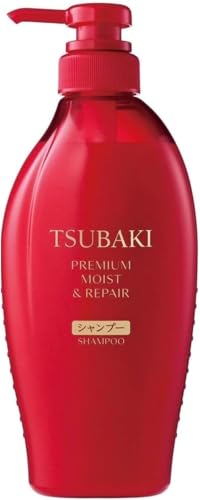
1. TSUBAKI Premium Repair Shampoo
TSUBAKI’s flagship line from Shiseido’s mass-market brand uses a proprietary “Tsubaki Oil EX” blend of camellia oil, royal jelly, and soy protein. The shampoo foams into a dense, creamy lather that rinses clean in about 15 seconds — faster than most sulfate-free formulas. It has a floral-honey scent that lingers mildly for 2–3 hours after drying. At ¥900 for 490 mL, it’s a volume play: that’s roughly 3 months of daily use for one person.
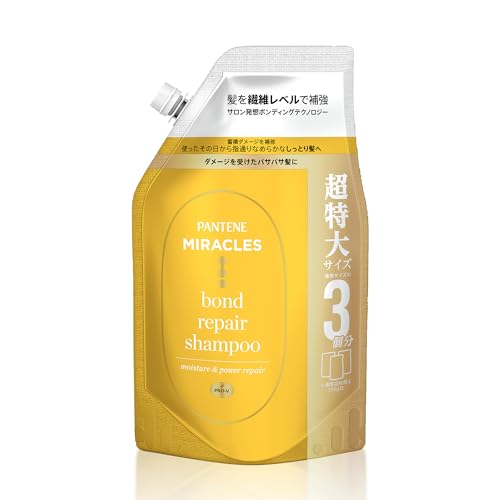
2. Pantene Japan Miracle Moisture+ Shampoo
Pantene Japan is not the same formula as Pantene US. The Japanese version contains lipid-care technology co-developed with Kao’s research labs and uses a Pro-V blend calibrated for thinner hair. It’s sulfate-free, silicone-free in the shampoo step, and leaves hair with a distinctly “squeaky-clean yet not stripped” feeling. A 500 mL bottle runs ¥850 at most drugstores. The scent is a subtle white-floral that disappears within an hour.
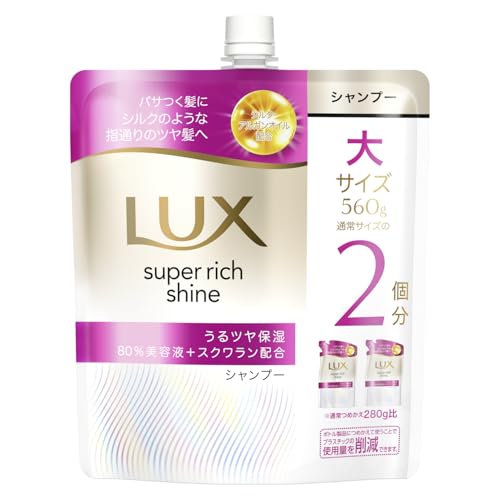
3. LUX Super Rich Shine Shampoo
LUX Super Rich Shine positions itself as the “glossy & bouncy” option. It uses a blend of argan oil and hyaluronic acid — an unusual combination in shampoo but effective for adding surface shine. At ¥750 for 430 mL it’s the most affordable shampoo on this list per milliliter. The rose-based fragrance is polarizing: some love it, others find it too strong. Best for fine, flat hair that needs volume and sheen.
4. &honey Deep Moist Shampoo
A relative newcomer that exploded on Cosme rankings in 2023 and hasn’t left the top 10 since. The formula centers on organic Manuka honey and Moroccan argan oil, with a 90% moisture-to-cleansing ratio (the brand’s own metric). At ¥1,540 for 440 mL it’s pricier, but the jar-style packaging is Instagram-friendly and TSA-leak-resistant. The honey-floral scent lasts noticeably longer than competitors — roughly 4–5 hours.

Best Japanese Conditioners
5. Shiseido Fino Premium Touch Hair Conditioner
Yes, Fino makes a rinse-out conditioner in addition to its famous hair mask. The conditioner uses a lighter concentration of the same royal jelly and trehalose complex. It’s designed for daily use — leave it on for 60 seconds, rinse, done. At ¥700 for 550 mL it offers exceptional value. The scent matches the treatment mask: a clean, slightly sweet floral that Japanese consumers describe as “kirei na kaori” (a beautiful fragrance).

6. TSUBAKI Premium Repair Conditioner
Pair this with the TSUBAKI shampoo above for the full system. The conditioner contains micro-crystallized camellia oil that penetrates at the cuticle level rather than coating the surface. Hair dries noticeably faster after using it — an underrated perk when you’re traveling with only a hotel hair dryer. Priced at ¥900 for 490 mL.
7. Kracie Ichikami Smooth Care Conditioner
Ichikami’s brand identity revolves around traditional Japanese botanicals: sakura extract, rice bran oil, and azukibean extract. It’s the most “Japanese” product on this list in terms of ingredient story. The conditioner is thinner than Western versions — almost a liquid consistency — which keeps fine hair from getting weighed down. At ¥750 for 480 mL, it’s affordable and widely stocked. The floral-herbal scent evokes a Japanese garden; it’s subtle and calming.

Best Japanese Hair Treatment Masks
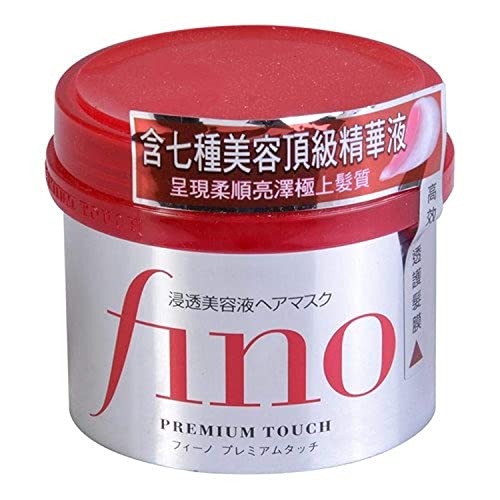
8. Shiseido Fino Premium Touch Hair Mask — The Cult Hero
If you buy only one hair care product in Japan, make it this one. The Fino Premium Touch treatment mask is a 230 g tub that retails for approximately ¥700 (roughly $4.80 at current exchange rates). Overseas, the same tub goes for $25–$35 — a 5–7x markup that makes it one of the single best-value souvenirs you can carry home. The formula uses a dense concentration of royal jelly, PCA (a natural moisturizing factor), squalane, and dimethicone to seal the cuticle flat.
Application is simple: after shampooing, scoop out a coin-sized amount, work through mid-lengths to ends, wait 5–10 minutes, and rinse. Use it 1–2 times per week. After three uses, you’ll notice hair tangles significantly less — most users report needing 50% fewer brush strokes. The effect builds over consecutive weeks. It’s an easy product to be skeptical about at the price, but it tends to win people over fast — the common pattern is that first-time users come back asking where to buy more. That’s the Fino effect.
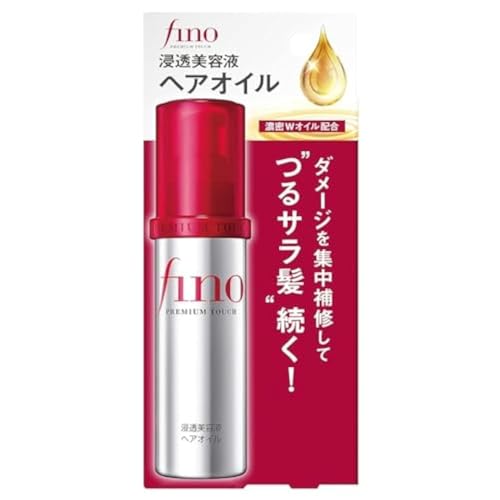
9. Shiseido Fino Premium Touch Hair Oil
Released as a companion to the mask, Fino’s hair oil comes in two versions: a concentrated oil for thick or heavily damaged hair, and an “Airy Smooth” variant for fine hair. Both are leave-in products — apply 1–2 pumps to damp hair before drying. The oil absorbs within about 30 seconds and doesn’t leave a greasy residue. At ¥1,200 for 70 mL, per-use cost is around ¥30–¥40. It shares the same clean floral scent as the mask.
Best Japanese Scalp Care
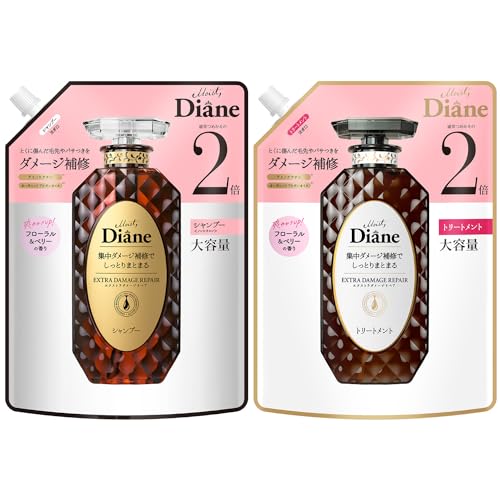
10. Moist Diane Perfect Beauty Extra Damage Repair Shampoo
Moist Diane occupies a niche between drugstore and salon. Its “Perfect Beauty” line uses organic argan oil and Kerashine technology (a keratin-protein repair complex) in a sulfate-free base. The shampoo doubles as a scalp treatment: it contains salicylic acid at a low 0.2% concentration to gently exfoliate without irritation. This is particularly useful if you’re traveling in humid Japanese summers when scalp buildup accelerates.
At ¥900 for 450 mL, it sits in the same price bracket as TSUBAKI. The berry-rose scent is more feminine-leaning and tends to last 3–4 hours. If you have color-treated hair and are worried about sulfate stripping, this is the safest pick on the list.
Full Comparison Table: All 10 Products at a Glance
Prices reflect typical Japanese drugstore retail as of early 2026. Overseas prices vary widely by marketplace and seller.
| # | Product | Price (Japan) | Hair Type | Key Ingredient | Scent | Overseas Availability |
|---|---|---|---|---|---|---|
| 1 | TSUBAKI Premium Repair Shampoo | ¥900 / 490 mL | Normal to damaged | Camellia oil + royal jelly | Floral-honey | Amazon, Asian grocers |
| 2 | Pantene Japan Miracle Moisture+ | ¥850 / 500 mL | Fine, thin hair | Pro-V lipid care blend | Subtle white floral | Limited (Japan-only formula) |
| 3 | LUX Super Rich Shine Shampoo | ¥750 / 430 mL | Fine, flat hair | Argan oil + hyaluronic acid | Rose (strong) | Amazon, some Asian markets |
| 4 | &honey Deep Moist Shampoo | ¥1,540 / 440 mL | Dry, frizzy hair | Manuka honey + argan oil | Honey-floral (long-lasting) | Amazon, Yesstyle |
| 5 | Fino Premium Touch Conditioner | ¥700 / 550 mL | All hair types | Royal jelly + trehalose | Clean sweet floral | Amazon (marked up 3–5x) |
| 6 | TSUBAKI Premium Repair Conditioner | ¥900 / 490 mL | Normal to damaged | Micro-crystallized camellia oil | Floral-honey | Amazon, Asian grocers |
| 7 | Ichikami Smooth Care Conditioner | ¥750 / 480 mL | Fine, straight hair | Rice bran oil + sakura extract | Floral-herbal (subtle) | Asian grocers, limited online |
| 8 | Fino Premium Touch Hair Mask | ¥700 / 230 g | All hair types (esp. damaged) | Royal jelly + squalane + PCA | Clean sweet floral | Amazon ($25–$35), Yesstyle |
| 9 | Fino Premium Touch Hair Oil | ¥1,200 / 70 mL | All types (2 variants) | Royal jelly concentrate | Clean sweet floral | Amazon (marked up 2–3x) |
| 10 | Moist Diane Perfect Beauty Shampoo | ¥900 / 450 mL | Color-treated, sensitive scalp | Argan oil + salicylic acid (0.2%) | Berry-rose | Amazon, Yesstyle, iHerb |
Where to Buy Japanese Hair Products in Japan
Every product on this list is available at Japan’s major drugstore chains. Matsumoto Kiyoshi (yellow signage, usually abbreviated “Matsukiyo”) has the widest selection. Welcia and Sundrug are close seconds. Don Quijote (the sprawling discount store chain) stocks all of these as well, often at 5–10% below standard retail due to bulk buying.
For tax-free shopping, combine your hair care with other cosmetics and consumables to hit the ¥5,000 minimum (pre-tax). A typical hair care haul — 2 shampoos, 2 conditioners, and 3 Fino masks — totals around ¥5,800 before tax, which qualifies you for the 10% consumption tax refund. That’s roughly ¥580 saved, enough to buy an extra tub of Fino. If you’re planning a broader beauty haul, check out our guide on how to shop Japan’s drugstores like a local.
Heads Up
How to Build a Japanese Hair Care Routine for Travelers
Japanese hair care follows a 3-step framework: cleanse (shampoo), condition (daily conditioner), and treat (weekly mask or oil). Unlike Korean or Western multi-step regimes, the Japanese approach keeps daily effort minimal — 5 minutes max in the shower — and reserves deeper treatment for 1–2 sessions per week.
This routine costs roughly ¥3,200 total (about $22) for a 3-month supply. For comparison, a single bottle of Olaplex No. 3 retails for $30 in the US. The math speaks for itself.
The Insider Markup: Why Fino Is the Best Souvenir You Can Buy
Let’s talk numbers. A 230 g tub of Fino Premium Touch Hair Mask costs ¥700 at a Japanese drugstore. The same product, same SKU, same 230 g size, sells on Amazon US for $25–$35 depending on the seller. That’s a 5–7x markup. On eBay, individual tubs from Japanese resellers go for $20–$28. On Yesstyle, which bundles shipping from Asia, the price hovers around $18–$22.
This markup exists because Fino doesn’t have official US distribution. Every tub sold outside Japan is a parallel import. Combine that with TikTok virality (the product has amassed over 200 million views on the platform) and you get classic supply-demand inflation. The fix is obvious: buy in Japan, where a suitcase full of 10 tubs costs ¥7,000 (about $48) and would retail overseas for $250+.
For more Japan-exclusive beauty products that carry similarly wild markups, see our feature on best Japanese sunscreens to stock up on— the price gap on SPF products is nearly as dramatic.
Pro Tip
Fino Hair Treatment Japan: A Closer Look at the Ingredients
The Fino Premium Touch formula lists 6 “beauty essences” on its Japanese packaging: royal jelly, PCA (pyrrolidone carboxylic acid), squalane, trehalose, lipidure, and a glutamic acid derivative. Here’s why those matter.
Royal jelly delivers a mix of amino acids, B vitamins, and 10-HDA (10-hydroxy-2-decenoic acid), a fatty acid unique to royal jelly that has demonstrated anti-inflammatory properties in dermatological studies. PCA is part of the skin’s natural moisturizing factor and draws water into the hair cortex. Squalane, derived from olive or sugarcane, fills in gaps between lifted cuticle scales — this is what creates the “glass hair” finish. Trehalose, a sugar found in some mushrooms and crustaceans, stabilizes protein structures under heat stress, which makes Fino particularly effective as a pre-blow-dry treatment.
If you’re interested in how Japanese brands approach skincare with the same ingredient philosophy, our guide on building a Japanese skincare routine covers similar overlap between drugstore price and clinical efficacy.
5 Mistakes Tourists Make When Buying Japanese Hair Care
1. Assuming the English-labeled version is the same formula.Pantene Japan and Pantene US are different products with different ingredient lists. Always check the Japanese barcode (starts with 49 or 45) to confirm you’re getting the Japanese formulation.
2. Buying only shampoo and skipping conditioner. Japanese hair care is designed as a system. The shampoo strips, the conditioner restores. Using TSUBAKI shampoo with a random hotel conditioner negates half the benefit.
3. Overapplying treatment masks.Fino’s mask is concentrated. A coin-sized amount handles shoulder-length hair. Using more doesn’t add benefit — it just creates residue that makes hair look greasy.
4. Packing liquids in carry-on without TSA bags. Each product must be under 100 mL to clear security in carry-on. The Fino mask (230 g) and most shampoos (430–500 mL) must go in checked luggage. Buy travel-sized decant bottles at any Daiso for ¥110 if you need carry-on options.
5. Ignoring scalp care.If you’re visiting Japan in summer (June–September), humidity and sweat accelerate scalp buildup. Adding a salicylic-acid shampoo like Moist Diane once or twice a week keeps your scalp balanced while your regular shampoo handles the rest.
Frequently Asked Questions
Does Japanese hair care work on non-Asian hair?
Yes, with caveats. Products like Fino and TSUBAKI are formulated for finer strands, so they work extremely well on thin-to-medium Caucasian hair. If you have very thick, coarse, or tightly coiled hair, you may need to double the amount of treatment mask per session and leave it on for 10–15 minutes instead of 5. The moisture-forward approach benefits all hair textures — the adjustment is mainly in quantity and contact time.
How many Fino tubs can I bring back in my luggage?
There’s no customs limit on personal-use cosmetics in most countries (US, EU, Australia). Practically, weight is the constraint. Each 230 g tub weighs about 280 g with packaging. You could fit 10 tubs in roughly 2.8 kg of luggage space. Most travelers find 5–8 tubs to be the sweet spot: enough for 6–12 months of personal use plus a few gifts.
Are Japanese shampoos sulfate-free?
Not all of them. TSUBAKI and LUX contain sulfate-based surfactants (sodium laureth sulfate). Pantene Japan Miracle Moisture+, &honey, and Moist Diane are sulfate-free. If sulfate-free is a requirement, check the ingredient panel for “ラウレス硫酸Na” (sodium laureth sulfate) — if that text appears, it contains sulfates. Alternatively, look for “ノンサルフェート” (non-sulfate) on the front label.
What’s the shelf life of these products?
Most Japanese hair care products don’t print an expiration date if the shelf life exceeds 3 years (this is standard practice under Japan’s Pharmaceutical and Medical Device Act). Once opened, use within 12 months. The Fino mask tub has a screw-top lid that keeps the product sealed between uses, which helps preserve the formula.
Can I find these products at Japanese airports?
Narita and Kansai airports both have cosmetic/drugstore sections past security. However, selection is limited to 5–6 brands and prices run 10–20% higher than city drugstores. Haneda’s domestic terminal has a Matsumoto Kiyoshi with better stock. The best strategy: buy in the city and pack in checked luggage. If you forgot, the airport is a last resort — not the first choice.
Is the Fino hair mask the same as Fino hair oil? Which should I buy?
They serve different purposes. The hair mask is a rinse-out weekly treatment that repairs and smooths cuticles. The hair oil is a leave-in daily product that adds shine and heat protection. If you can only buy one, get the mask — it has a more dramatic effect on damaged hair. If you can buy both, use the mask 1–2 times per week and the oil daily before drying. Together they cost about ¥1,900, or roughly $13.
Disclosure
This article contains affiliate links. We may earn a commission when you buy through them, at no extra cost to you. Every pick is an honest recommendation.
Shop Japanese beauty products