






The Complete Travel EssentialsBuyer’s Guide for Japan Travelers
Packing for Japan is its own subcategory of travel stress. The guidebooks tell you to bring comfortable walking shoes and a light rain jacket, but they skip the specifics — which luggage lock is actually accepted at Japanese airports, which packing cube system survives a two-week trip across four hotels, which neck pillow does not make your jaw hurt after a 13-hour flight. This category collects the quiet workhorses that tourists in Japan repeatedly recommend.
The goal is not to over-pack. Japan's retail environment is incredibly well stocked — if you forget something, you can buy it in any drugstore or conbini within a ten-minute walk. What you should bring from home is the gear that is either expensive to replace (good luggage, a reliable backpack) or annoying to source on arrival (specific adapters, familiar medications, noise-cancelling headphones).
What to Look for When Buying
- Luggage sized for Japanese trains and hotels. The biggest packing mistake tourists make is bringing oversized luggage. Japanese hotel rooms are compact, and Shinkansen luggage racks have official size limits — oversized suitcases now require a reserved spot booked in advance. A 60-70 litre spinner or a 55 cm carry-on is the sweet spot. Medium suitcases are your friend.
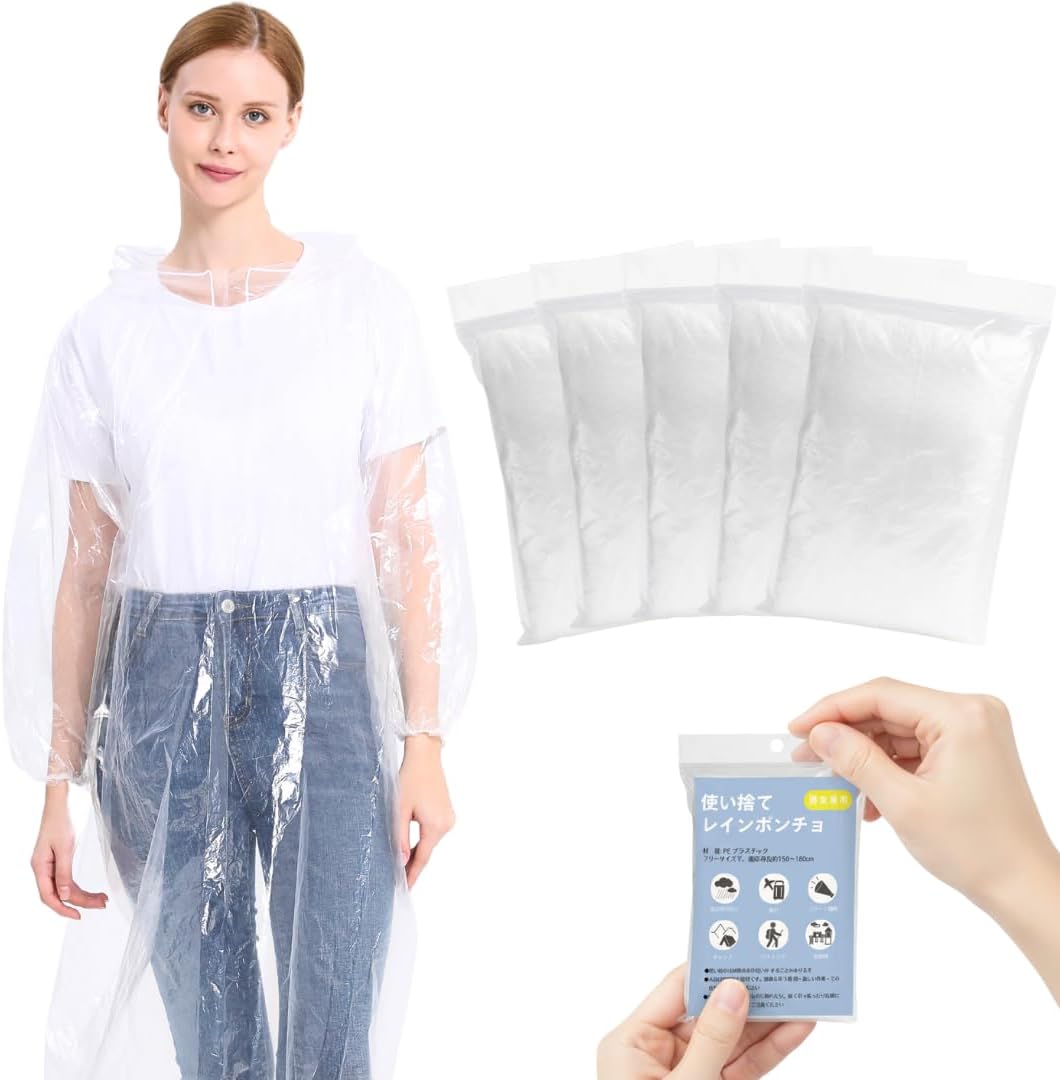
- Rain protection that folds small. It rains in Japan more often than guidebooks warn, especially in June and September. A compact umbrella you can stuff in your bag beats a bulky travel umbrella you leave at the hotel. Japan also has dedicated umbrella bags at every museum and department store entrance, which only work with standard-size umbrellas — so skip the novelty shapes.
- Shoes for 20,000 steps a day. Your Japan trip will be the most walking you've done in a year. Break in your shoes at home, bring cushioned insoles if you know you need them, and accept that your shoes will get slightly scuffed at shrines and temples where you repeatedly remove them. Slip-on sneakers save meaningful time at temple entrances and in airport security.
- Packing organization. Packing cubes are not luxury — they are the difference between repacking your suitcase every morning and grabbing one cube at a time. Compression cubes earn back their price in space saved for the souvenir haul on the return leg.
How to Compare Your Options
Neck pillows: inflatable ones pack smaller, but memory foam pillows are dramatically more comfortable on the flight over. If you are short on cabin space, inflatable is the right trade; if you have room, foam is the right answer.
Travel bottles: TSA-approved 100ml bottles are worth the small upcharge because you will have zero security-line drama at Narita, Haneda, or Kansai on the way home.
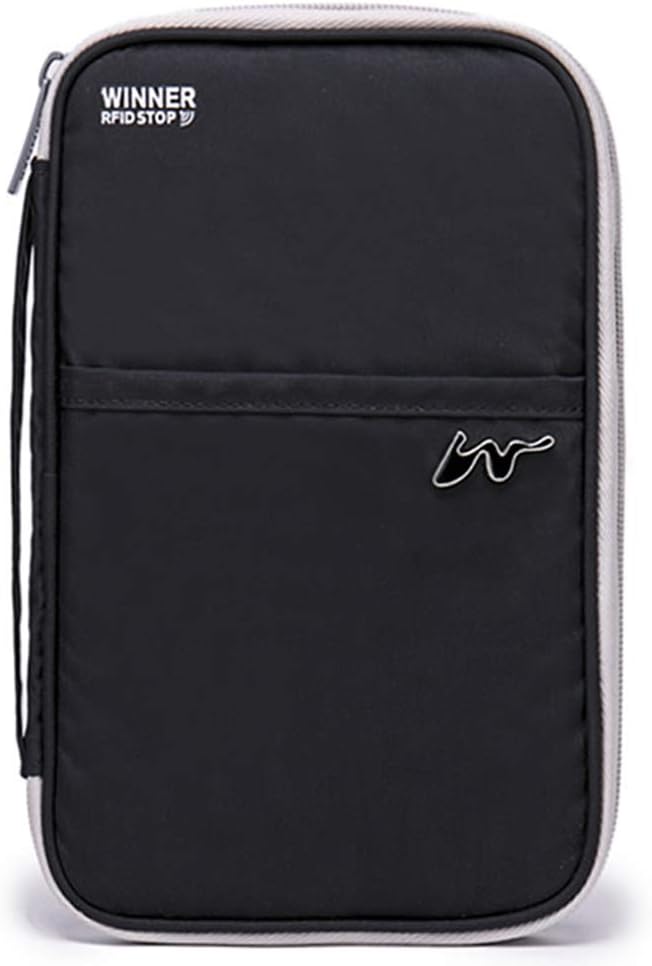
Daypacks: aim for something with a padded laptop sleeve (useful as a passport/tablet pocket even if you do not bring a laptop) and a hidden back zipper. Japanese cities are extraordinarily safe, but crowded JR trains during rush hour are one of the few scenarios where a hidden zipper is genuinely useful.
Amazon Japan Hotel Delivery for This Category
Larger items like luggage and daypacks are best ordered at home and brought with you — Amazon Japan delivery to your hotel is most useful for the small stuff you forgot or decided last minute: extra packing cubes, a compact umbrella, a travel clothesline, an eye mask, small folding slippers. Time the order so it arrives the day before or the day of your check-in, and email the hotel in advance about an incoming parcel.
Frequently Asked Questions
- What size suitcase is best for a two-week Japan trip?
- A medium 60–70 litre spinner is ideal. You want room for souvenir space on the return leg but not so much that you struggle on trains and buses. Avoid the largest checked sizes unless you're staying at one hotel the whole trip.
- Do I need a separate day bag?
- Yes. You will not want to carry your full backpack around Kyoto temples. A small 15-20 litre daypack that folds flat when empty is the most common choice.
- Is a rain poncho or umbrella better in Japan?
- Umbrella, every time. Japan has an umbrella culture — umbrella racks outside shops, umbrella bags at museums, a convenience-store umbrella costs about ¥600 if you forget. Ponchos look out of place and you will feel self-conscious.
- Should I bring slippers?
- Optional but nice. Many hotels and all traditional ryokan provide slippers. A pair of compact folding travel slippers is useful for the plane and for airbnb-style stays that do not provide them.
- Are packing cubes really worth it?
- For a multi-hotel Japan trip, yes. You will move hotels every 2-4 days on a typical tourist itinerary, and cubes let you move one self-contained unit rather than unpacking and repacking daily.
The items above are the essentials we recommend most often. Scroll up to see current picks, and remember: Amazon Japan hotel delivery works best for small forgotten items, not for replacing your main luggage mid-trip.