

Best Japanese Matcha in 2026: Powder, Sweets & Everything You Need to Know
Updated May 2026 · 14 min read
Japan Shop Helper Editorial
Tokyo-based · prices & fees verified on real orders
Matcha stopped being a niche tea-drinker obsession a while ago. It is now a full global category with the kind of crossover appeal that usually signals a product has escaped its original subculture. Cafes sell matcha lattes as daily staples. Grocery stores stock multiple grades. Skincare brands flirt with the color and health halo. Social media turned whisking rituals into aesthetic content, and the export numbers followed. Industry coverage around 2025 framed Japanese matcha as one of the clearest examples of a traditional product becoming a modern superfood category, with export growth often summarized as a 42 percent jump year over year.
That growth is great for visibility and bad for clarity. Once a category gets big enough, the market fills with mediocre powder, inflated storytelling, and very confident advice from people who cannot tell ceremonial from culinary unless the tin tells them. Japan still has the advantage because the product culture is deeper there. You are closer to the producing regions, closer to the established tea houses, and far less likely to pay a huge importer markup for ordinary quality disguised as something special.
This guide is for buyers who want the practical version of the matcha conversation. What grade should you buy? Which brands actually matter? Which sweets are worth the space in your suitcase or parcel? And if you are ordering online, where can you buy confidently without turning the whole process into a tea nerd research project?
Ceremonial vs Culinary Matcha — What's the Real Difference?
The most useful way to think about the difference is purpose, not prestige. Ceremonial matcha is meant to be whisked with water and tasted directly. That means sweetness, umami, texture, and finish matter a lot because there is nowhere for flaws to hide. Good ceremonial powder should look vivid, smell fresh, and taste rounded rather than aggressively bitter. If the first sip makes you immediately reach for syrup, the powder is probably not doing its job.
Culinary matcha is built for mixing. Milk, sugar, chocolate, ice cream, and baking all change the equation. You actually want a more assertive profile so the tea flavor survives the rest of the recipe. That does not make culinary grade inferior in every sense. It makes it optimized for a different use. The mistake is buying expensive ceremonial powder for lattes and then wondering why the economics feel stupid, or buying cheap culinary powder for straight drinking and deciding that matcha itself is overrated.
Labels can still be fuzzy, especially outside Japan, so trust sensory cues and seller reputation more than marketing adjectives alone. If you want a daily latte powder, prioritize value and boldness. If you want the quiet tea-bowl experience, pay for finesse. Once you separate those goals, the category gets much easier and much less pretentious to navigate.

Top Japanese Matcha Powder Brands to Buy
Ippodo is the easiest recommendation when someone wants one trusted Japanese tea house and does not need a deep ranking spreadsheet. The brand has history, strong quality control, and a product range that makes sense for both beginners and serious tea drinkers. If you want a giftable, low-regret starting point, Ippodo is hard to beat. Marukyu Koyamaen is the name that enthusiasts bring up when they want ceremonial matcha with more cachet. The appeal is not just prestige. It is consistency, clarity of flavor, and the feeling that you are buying from a house that takes the category extremely seriously.

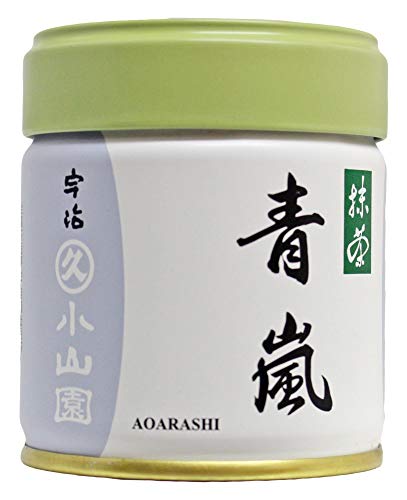
Shimizu Ippoen is worth knowing because it sits in that useful space between tea-world credibility and broader accessibility. It is the kind of brand people discover after they move past beginner lists and start caring about origin, cultivar nuance, and texture more than hype. Nakamura Tokichi often makes more sense for people who want matcha that performs well in lattes and desserts, while Tsujiribridges powder and sweets especially well. The right brand depends less on online status than on whether you plan to sip, bake, or gift.
The bigger point is that Japanese tea houses still usually offer better value in Japan than the same tins sold abroad. Once international shipping, retail markup, and scarcity theater pile on, even ordinary matcha can get priced like a luxury skincare product. Buy from a known Japanese source and you cut through a lot of that nonsense immediately.
Matcha Sweets Worth Ordering from Japan
Matcha sweets are where a lot of people first figure out what kind of matcha profile they actually like. Some products lean candy-sweet with a green-tea accent. Others push the tea bitterness more aggressively and feel closer to the cafe-dessert version of the flavor. Japan is strong at both ends. That is why matcha Kit Kats remain popular even after years of souvenir fatigue: they are recognizable enough to gift broadly and still distinctly Japanese in the way the bitterness comes through.
Beyond Kit Kats, the better buys tend to come from brands that already take tea seriously. Tsujiri-style sweets, Kyoto chocolate specialists, and dedicated tea houses usually deliver a more convincing matcha character than novelty-snack manufacturers trying to cash in on the color alone. Gummies can work if you like playful formats, but chocolate, cookies, wafer sweets, and soft cream mixes are where the category usually feels most coherent. The best matcha sweets taste intentionally tea-forward, not like someone dusted sugar with green powder and hoped the branding would carry the rest.
If you are ordering from Japan, think in roles. One crowd-pleaser, one serious tea-driven sweet, and one powder for yourself is a smarter basket than buying six versions of the same concept. Matcha sweets travel well, gift well, and give you a low-risk way to explore the flavor spectrum before you commit to pricier tins of drinking powder.

How to Make the Perfect Matcha Latte at Home
Start by sifting your powder. That sounds minor, but it is the easiest way to prevent the clumps that make home matcha taste gritty and amateurish. Use water that is hot but not boiling, because aggressive heat flattens sweetness and emphasizes bitterness. Whisk the matcha first with a small amount of water until it is smooth and lightly foamy. Then add milk or your preferred alternative. If you dump powder straight into a full mug of milk, you are making your life harder for no reason.
The best home lattes balance tea flavor against comfort, not against sugar addiction. Too much sweetener wipes out what made Japanese matcha worth buying in the first place. Too little and lower-grade powder can feel sharp or thin. Oat and whole milk both work well because they give you enough body to support the tea without completely muting it. If you want the result to feel more intentional, a proper bowl and whisk help more than most people expect. They are not just for ceremony. They create a smoother mix and make the routine more enjoyable, which is half the point.
Tea ceremony tools do not have to turn you into a formal practitioner. A chasen, chawan, and scoop simply make the process cleaner and more repeatable. Once you use them a few times, the ritual becomes less intimidating and more efficient. Good matcha deserves better than being stirred badly with a spoon in a measuring cup.

Best Places to Buy Japanese Matcha Online
Amazon.co.jp is the practical answer for most shoppers because it reduces the whole process to something familiar. You can compare listings, check which products ship directly, bundle matcha with sweets or tools, and usually avoid the highest overseas markup. It is not always the most romantic path, but it is often the most efficient. For people who want one order and one checkout, that matters a lot.
Official tea-house stores are better when brand specificity matters more than convenience. If you want a particular Ippodo or premium Uji line and you care about freshness windows, origin detail, or house recommendations, direct ordering can be worth the extra friction. The same applies to specialty sweets that do not circulate widely on marketplace channels. The upside is precision. The downside is usually cost and logistics.
Proxy services sit in between for hard-to-source products, but they only make sense when you are buying enough to justify the fees or chasing stock that is genuinely unavailable through simpler routes. For most people, the right workflow is straightforward: use Amazon Japan for breadth, use official stores for specific tea-house loyalty, and use proxies only when a particular tin or limited sweet really warrants the extra steps.
Heads Up
Pro Tip
FAQ
What is the best matcha brand from Japan?
Ippodo is the safest broad recommendation, while Marukyu Koyamaen and other Uji houses are often the enthusiast favorites for ceremonial powder.
How do I store matcha?
Keep it airtight, away from light, heat, and moisture. Many buyers refrigerate opened tins, then let them come to room temperature before opening to avoid condensation.
Is ceremonial matcha really better for lattes?
Not necessarily. Culinary or latte-oriented powders often give you better value and enough intensity to stand up to milk and sweetener.
Can I buy good Japanese matcha on Amazon.co.jp?
Yes. It is one of the easiest ways to buy authentic Japanese powder, sweets, and tools in one place without resorting to overpriced overseas resellers.
What matcha sweets are worth trying first?
Start with one serious tea-house sweet set and one mainstream souvenir item like matcha Kit Kats or chocolate. That gives you both the giftable version and the more tea-forward one.
Disclosure
This article contains affiliate links. We may earn a commission when you buy through them, at no extra cost to you. Every pick is an honest recommendation.
Get Japanese snacks delivered