

Hobonichi Techo 2026: The Viral Japanese Planner That TikTok Fell in Love With
Updated May 2026 · 15 min read
Japan Shop Helper Editorial
Tokyo-based · prices & fees verified on real orders
Hobonichi used to be one of those Japanese stationery obsessions you only heard about in niche journaling forums. Then TikTok found it. Suddenly people who had never cared about paper stock, planner layouts, or fountain-pen compatibility were filming elaborate “setup with me” clips, comparing cover drops, and explaining why a Japanese planner made their entire routine feel more intentional. The scale of that attention matters because Hobonichi does not operate like a mass-market planner brand. It behaves more like a yearly cultural event with limited launches, collector energy, and design details that make long-time users sound borderline evangelical.
Mainstream coverage followed the social wave. Bloomberg and other business outlets started treating Hobonichi as a case study in how a very analog Japanese product could thrive in a hyper-digital attention economy. That is not just media fluff. It points to something real about why the planner resonates. People are exhausted by generic productivity tools that look efficient but feel dead. Hobonichi feels personal the second you open it. The pages invite writing. The books get better with use. The covers feel like objects you choose, not just supplies you tolerate.
If you are trying to figure out whether the hype is deserved, the answer is yes with one condition: you have to buy the right version for your actual life. Hobonichi is not one planner. It is a family of planner systems built around different rhythms, page counts, and carrying styles. Once you understand that lineup, the brand becomes much easier to buy from Japan without making an expensive mistake.
What Makes Hobonichi Techo Different
The first answer is paper. Hobonichi built much of its reputation on Tomoe River paper, a famously thin, fountain-pen-friendly stock that can handle surprisingly wet ink without turning every page into a fuzzy mess. People who have only used ordinary planners often underestimate how much paper quality changes behavior. Better paper slows you down in a good way. You want to write more carefully. Gel pens look sharper. Fountain pens stop feeling like a risky indulgence and start feeling like the obvious tool for the job.
The second answer is format philosophy. The classic Hobonichi Original gives you one page per day, which sounds excessive until you live with it. Most planners force you to compress everything into little boxes. Hobonichi gives you enough room to schedule, journal, track, sketch, paste receipts, or ignore the rules entirely. That flexibility is the real product. People call it a planner, but it often behaves more like a hybrid between a diary, a memory book, and a portable creative workspace.
Size matters too. The A6 format is a huge part of the appeal because it feels intimate and portable rather than office-supply-store bulky. It slides into daily life in a way larger planners often do not. The pages are small enough to lower the intimidation factor and large enough to stay genuinely useful. Add the yearly cover lineup, accessory ecosystem, and distinctly Japanese sense of material polish, and you get a planner that feels less disposable than almost anything competing with it.
The Full Hobonichi Lineup Explained
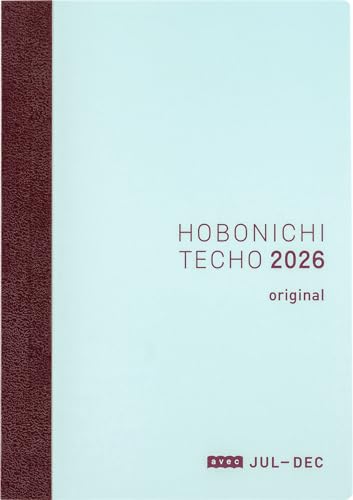
Start with the Original. This is the classic A6 book and still the purest expression of the Hobonichi idea: one page per day, compact format, and enough room to treat each date like a small canvas. It works best for people who combine planning with memory keeping or journaling. If you mostly want appointments and task lists, it can be more planner than you need. If you like documenting your life in motion, it is where the brand makes the most emotional sense.
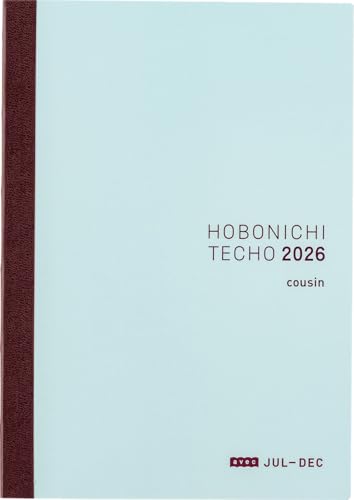
The Cousin scales the same concept to A5 and adds vertical weekly spreads. This is the version productivity-heavy users tend to love because it handles work planning, habit tracking, and diary writing in one system. It is also the version people most often romanticize online and then quietly abandon if they are not actually willing to carry a bigger book. The size is powerful, but it demands commitment. The Day-Freeversions strip out the dated daily pages and keep the paper quality plus broad structure. They are ideal if you love Hobonichi materials but hate the guilt of unused dated pages.
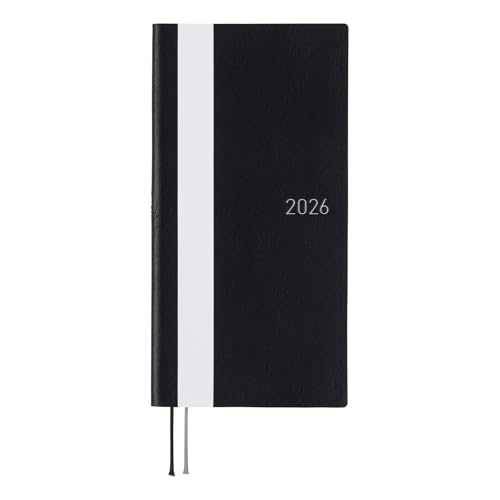
Then there is Weeks, the stealth bestseller for normal humans. It is slim, weekly, and practical enough to ride in a bag every day. If you want a planner first and a lifestyle artifact second, Weeks is often the correct call. Beyond that, accessory books, memo pads, covers, clear covers, pencil boards, and cover-on-cover options let you build a system as simple or obsessive as you like. The line feels big because it is, but the buying decision becomes manageable once you ask a blunt question: do you want daily pages, weekly pages, or a notebook with structure and no guilt?
How to Buy Hobonichi Techo from Japan
The official Hobonichi store is the cleanest place to see the full lineup, seasonal cover releases, and accessory combinations. If you care about launch timing, exclusives, or the broadest selection, start there. The tradeoff is that international ordering can get more complicated depending on your country, timing, and what sells out first. You are often paying for access to the complete catalog rather than the simplest checkout experience.
Buyee and similar proxy services make sense when you want Japan-only stock, limited covers, or retailer listings that do not ship directly overseas. The downside is obvious: service fees, consolidation decisions, and more shipping variables. For collectors or shoppers who missed the official drop window, that friction is acceptable. For beginners trying to buy one planner and move on, it can be unnecessary complexity.
Amazon.co.jp is often the smartest middle path. You usually get fewer cover choices than the official site, but the purchase flow is easier, the shipping logic is clearer, and you can bundle the planner with pens, notebooks, and accessories in one order. That matters a lot if your real goal is not collector purity but simply getting an authentic Hobonichi into your hands without paying inflated reseller prices in your home country.
Heads Up
Setting Up Your Techo — Beginner's Guide
The best Hobonichi setup is the one you will keep using in February after the novelty wears off. That is why beginners should resist copying the densest planner-influencer spreads on day one. Start with a simple core: one reliable pen, one highlighter or mild marker, a few small stickers if you actually enjoy them, and a layout rule you can sustain. For many people that rule is as simple as this: appointments on the left, notes on the right, one memory or line of reflection at the bottom.
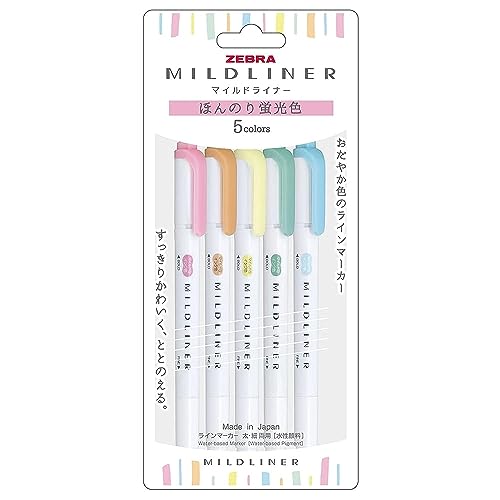
Japanese stationery helps because it removes friction. Hobonichi pairs naturally with products like Midori notebooks for overflow notes, Zebra Mildliners for soft color-coding, and fine gel pens that do not punish small handwriting. Decoration works best when it supports the planner instead of swallowing it. Washi tape for section breaks, a few icon stickers for recurring habits, and one or two colors you use consistently will get you much farther than buying a giant drawer of supplies you never open again.
The trick is to decide what the Techo is doing for you. Is it scheduling? Journaling? trip memory keeping? creative decompression? Once that function is clear, the setup becomes obvious. People who love Hobonichi long-term usually are not the people with the most decorative spreads. They are the people whose books became genuinely useful and therefore emotionally valuable over time.
Midori, STALOGY & Other Japanese Planners Worth Considering
Hobonichi gets the most global attention, but it is not the only Japanese planner worth buying. Midori appeals to people who care about paper feel and understated design more than brand fandom. The notebooks are calmer, less system-heavy, and often better for writers who want structure without being pushed into a daily planning ritual. If Hobonichi feels too performative for your taste, Midori is the easy corrective.
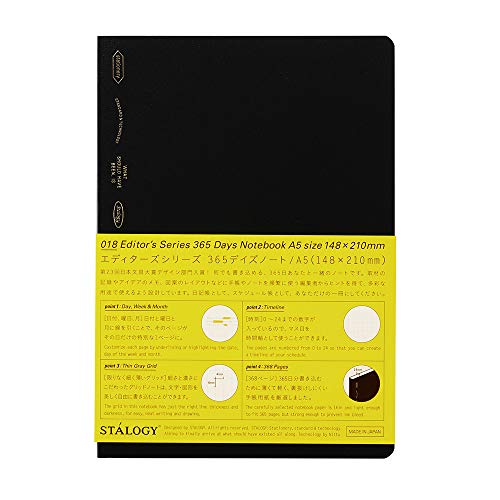
STALOGY sits in a different lane. It is more modular, more minimal, and beloved by people who want a nearly invisible framework. The page design is subtle enough to disappear under your own system, which is exactly why serious note-takers stay loyal to it. Kokuyo Jibun Techo is the opposite kind of alternative: more structured, more overtly productivity-led, and especially strong for users who want weekly vertical scheduling with less romance and more operational clarity.
So is Hobonichi the best? For some people, yes. For everyone, no. It is the most iconic Japanese planner brand because it combines format, material quality, and yearly excitement better than anyone else. But if your real preference is a notebook-like planner, a rigid time-blocking system, or a no-guilt undated setup, Midori, STALOGY, and Kokuyo can easily be the smarter buy. The goal is not to buy the planner TikTok loves most. The goal is to buy the one you will still be reaching for three months later.
Pro Tip
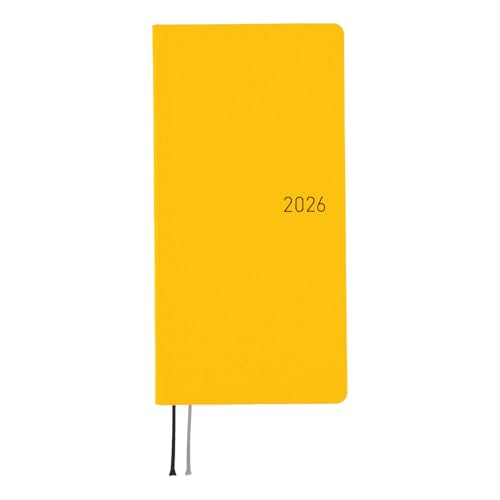
If that advice lands, here is the exact dated book to order for the coming year rather than a generic listing.
Frequently Asked Questions
Is the Hobonichi Techo worth the price?
Usually yes, especially if you write by hand often, because the paper quality, book design, and long-term usability feel materially better than generic planners. The classic A6 Original book itself runs about ¥1,500 to ¥2,000, which is far less of a splurge than the TikTok hype suggests.
Which Hobonichi is best for beginners?
Weeks is the safest first Hobonichi for most people. It is a slim weekly format that covers real scheduling without demanding a daily-page habit, slips into any bag, and runs about ¥2,500 to ¥3,500.
What is the difference between the Original, Cousin, and Weeks?
The Original is the classic A6 book with one page per day, best for people who combine planning with journaling or memory keeping. The Cousin scales the same idea up to A5 and adds vertical weekly spreads for productivity-heavy users, while Weeks is the slim, weekly, everyday planner. Day-Free versions strip out the dated daily pages while keeping the paper quality and broad structure.
How can I buy the Hobonichi Techo from Japan?
There are three main routes: the official Hobonichi store for the full lineup and seasonal covers, proxy services like Buyee for Japan-only stock and limited covers, and Amazon.co.jp for the easiest checkout. Amazon.co.jp is often the smartest middle path because the purchase flow is clearer and you can bundle the planner with pens and accessories in one order.
What pens and highlighters work best with Hobonichi?
Fine gel pens, fountain pens with controlled flow, and mild highlighters such as Zebra Mildliners are the most popular choices. Mildliners color-code appointments and habits without bleeding through the thin planner paper, and at about ¥300 to ¥400 they are the cheapest meaningful upgrade to a beginner setup. Very wet markers can still show through, so lighter tools are usually the sweet spot.
Disclosure
This article contains affiliate links. We may earn a commission when you buy through them, at no extra cost to you. Every pick is an honest recommendation.
Find unique Japanese items