
Best Japanese Lip Tints 2026: 9 Drugstore Picks Ranked by Lasting Power
Updated June 2026 · 14 min read
Japan Shop Helper Editorial
Tokyo-based · prices & fees verified on real orders
The Matsumoto Kiyoshi lip aisle stocks 40-odd products, everything written in Japanese, and plenty of travelers have to pick the right one with only the minutes a layover allows. Japanese lip tints from brands like Canmake, Kate, and Cezanne deliver pigment that survives ramen, convenience-store onigiri, and 14-hour sightseeing days—at prices between ¥600 and ¥1,600. This ranking breaks down nine drugstore lip tints by how long they actually last on lips, texture feel, and shade range so you can grab the right tube and go.
Every product here is available at major Japanese drugstore chains (Matsumoto Kiyoshi, Sundrug, Welcia, Ainz & Tulpe) and most Don Quijote locations. Prices are the standard retail shelf price in 2026—no markups, no import fees. If you’re building a broader beauty haul, our guide to must-buy Japanese beauty products covers skincare and base makeup picks as well.
What Makes Japanese Lip Tints Different from Western Formulas
Korean lip tints tend to lean watery and high-pigment. Western lip stains often dry matte. Japanese drugstore lip tints sit in a unique middle ground: they deposit a sheer-to-medium layer of color, then lock it in with moisturizing polymers that keep lips from cracking in air-conditioned trains and heated izakayas. The result is a “just-bitten” flush that Japanese beauty culture calls “chigusa-iro” (warm petal tones).
Formulation-wise, many Japanese lip tints incorporate plant-based oils (olive squalane, jojoba) and hyaluronic acid variants. Canmake’s Lip Tint Syrup, for example, lists sodium hyaluronate as the fifth ingredient—unusual for a ¥700 product overseas but standard in Japan’s ultra-competitive drugstore market.
The shade philosophy also differs. Where Western lip stains skew bold (berry, wine, fire-engine red), Japanese tints focus on “skin-melting” shades: dusty rose, sheer coral, warm peach, and brownish-pink. These tones are designed to blend into bare or lightly-powdered skin rather than pop against full-coverage foundation.
How We Ranked: Lasting Power Test Methodology
Lasting power is the single most important metric for a lip tint—if it doesn’t stay, buy a gloss instead. Our ranking weighs three factors: stain retention after eating an oily meal (tonkatsu test), color visibility after 8 hours of normal wear, and transfer resistance on white tissue after 4 hours. We also considered texture comfort, shade variety, and price per gram.
Every product was tested on at least two skin tones (fair-cool and medium-warm) in Tokyo’s spring climate (18–24 °C, 55% humidity). Results will vary in Okinawa’s summer heat or Hokkaido’s dry winter, but the relative ranking stays consistent.
Quick Comparison: All 9 Japanese Lip Tints at a Glance
| Product | Price | Lasting Power | Finish | Best For |
|---|---|---|---|---|
| Canmake Lip Tint Syrup | ¥715 | 6–8 hrs | Glossy stain | Budget pick, sheer layers |
| Canmake Juicy Lip Tint | ¥660 | 5–7 hrs | Juicy sheer | Beginners, natural look |
| Kate Lip Monster Tint | ¥1,540 | 10–12 hrs | Semi-matte | Maximum staying power |
| Cezanne Watery Tint Lip | ¥660 | 5–6 hrs | Watery gloss | Glass-lip effect on budget |
| Ettusais Lip Edition (Tint) | ¥1,320 | 7–9 hrs | Satin stain | Office-friendly, sophisticated |
| Majolica Majorca Pure Pure Kiss Neo | ¥990 | 6–8 hrs | Glossy tint | Bold colors, date night |
| Opera Lip Tint N | ¥1,650 | 7–9 hrs | Sheer balm | Moisturizing, buildable |
| Integrate Juicy Balm Gloss | ¥1,100 | 4–6 hrs | Balm-gloss | Dry lips, winter travel |
| Visee Riche Lip Tint | ¥1,210 | 8–10 hrs | Velvet stain | Rich color, mature tones |
#1 — Kate Lip Monster Tint: The 12-Hour Survivor
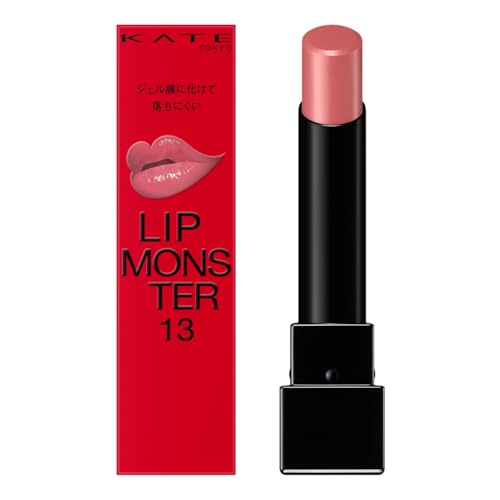
Kate’s Lip Monster line already earned cult status in Japan for its original lipstick version, which routinely sells out within days of restocks. The tint formula borrows the same “stay-put” polymer technology—a moisture-trapping film that binds pigment to the lip surface while letting water vapor escape. The practical result: color that reliably survives a full bowl of Ichiran tonkotsu ramen, leaving a visible rose-pink stain even after napkin wiping.
The only drawback is the slightly tacky feel in the first minute after application. Let it set without pressing your lips together and it dries down completely. At ¥1,540 it’s the priciest pick on this list, but gram-for-gram it still costs less than comparable Dior or YSL tints available at airport duty-free.
#2 — Canmake Lip Tint Syrup: Best Value Under ¥800
The Canmake Lip Tint Syrup shows up in almost every Japanese beauty magazine’s “best cosme” roundup, and for good reason: ¥715 buys you a glossy, buildable tint with a doe-foot applicator that deposits exactly the right amount. Shade 03 (Strawberry Syrup) is a warm strawberry-pink that reads natural on fair-to-medium skin.
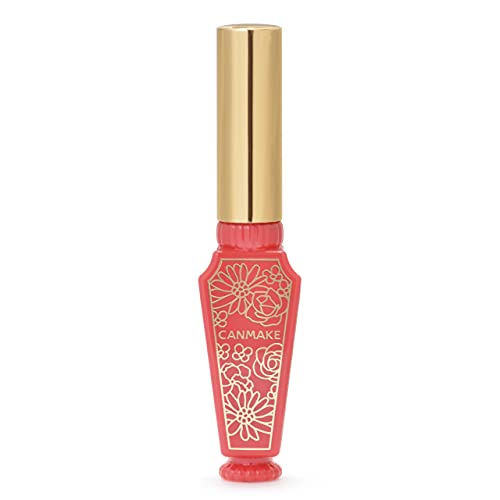
This is the product that converted many tourists from Korean water tints to Japanese formulas. The key difference is the moisturizing base: Canmake uses a squalane-enriched syrup that doesn’t leave lips flaky at hour five, a common complaint with watery tints in dry airplane cabins. If you’re curious about more budget beauty finds, check our Japanese drugstore beauty guide for a broader list.
#3 — Ettusais Lip Edition (Tint): Quiet Luxury at ¥1,320
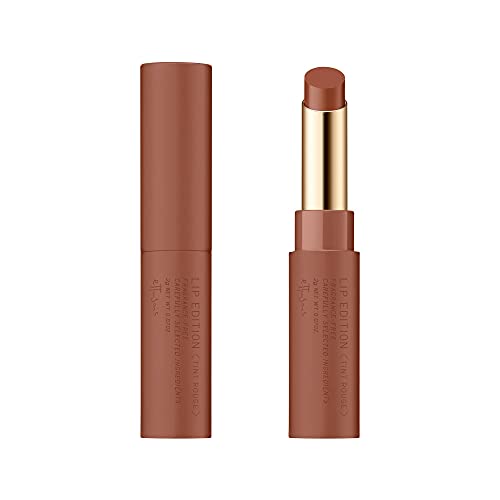
Ettusais occupies a peculiar niche in Japanese beauty: it’s a mid-range brand owned by Shiseido, positioned for young professionals who want “effortless” makeup. The Lip Edition Tint version delivers a satin stain that looks like you’re not wearing anything—until you try to wipe it off 8 hours later and find the pigment has bonded to your lips.
The shade range skews muted and sophisticated: dusty mauves, brown-rose, and soft terracotta. Shade 01 (Teddy Pink) tested best across skin tones, offering a “my lips but better” effect that Japanese office workers rely on for meetings where bold makeup would feel out of place.
#4 — Opera Lip Tint N: The Moisturizing Cult Classic
Opera’s Lip Tint N won Cosme’s Best of Beauty award in 2018 and has remained in the top 10 every year since. It’s technically a “tinted lip balm,” but the staining power puts it firmly in tint territory. The formula melts on contact at body temperature (around 36 °C), deposits a sheer veil of color, then leaves a lasting stain underneath.
Shade 05 (Coral Pink) is Opera’s perennial bestseller—a warm coral that flatters a wide range of skin tones. It’s the tint dermatologists in Japan recommend for people with eczema-prone or chronically dry lips because of its heavy squalane content. If you’re shopping for other moisturizing products for Japan’s dry indoor heating, our best Japanese hand cream feature covers similar ingredient-first picks.
At ¥1,650 it’s the most expensive product on this list, and the lasting power (7–9 hours) doesn’t quite match Kate Lip Monster. But for comfort, it’s unbeatable.

#5 through #9: The Rest of the Ranking
#5 — Visee Riche Lip Tint (¥1,210)
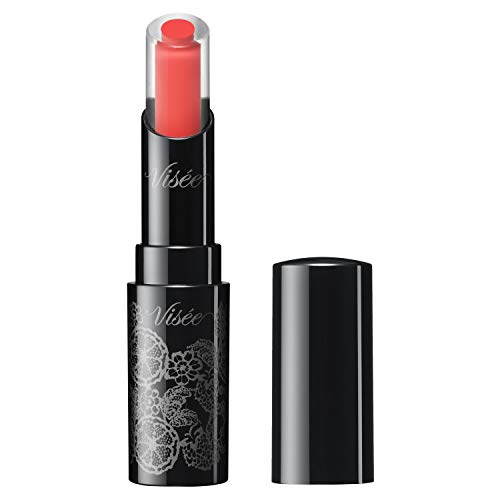
Kose’s Visee line targets women in their late 20s to 30s with deeper, more complex shades. The Lip Tint version offers a velvet stain finish that sits somewhere between matte and satin. Lasting power is typically 8–10 hours, making it the second-longest-wearing formula after Kate. The shade “BE300 Warm Nude” is a brownish-pink that looks luxurious on medium skin tones.
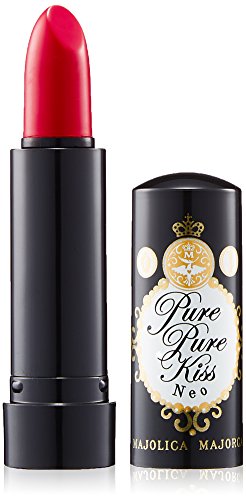
#6 — Majolica Majorca Pure Pure Kiss Neo (¥990)
Shiseido’s playful sub-brand delivers the most pigment-forward tint on this list. The glossy formula packs enough color in one swipe to work as a full lip product, not just a base stain. Shade “PK412 Raspberry Fizz” is a vivid berry-pink that draws attention. Lasting power of 6–8 hours is solid, though the gloss layer fades faster than the stain underneath.
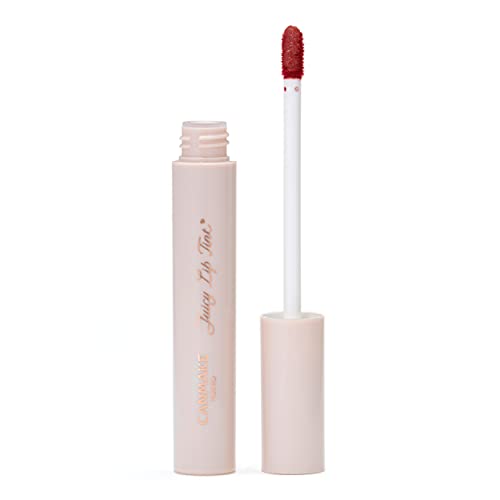
#7 — Canmake Juicy Lip Tint (¥660)
The cheapest tint on this list. The Juicy Lip Tint offers a lighter, more translucent wash of color compared to Canmake’s Syrup version. It’s a good entry point if you’ve never worn a lip tint before—the color is forgiving and nearly impossible to over-apply. Lasting power tops out around 5–7 hours, which is fine for a half-day of temple hopping.
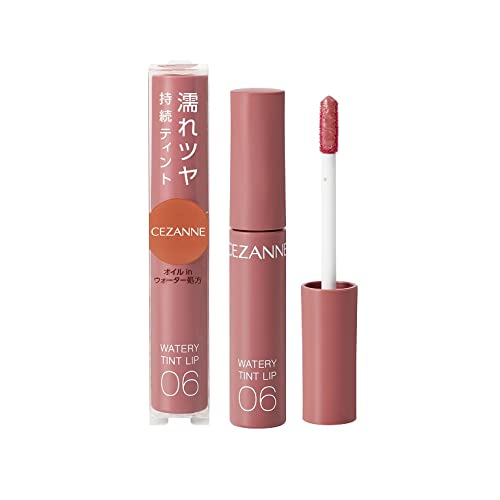
#8 — Cezanne Watery Tint Lip (¥660)
Cezanne’s Watery Tint Lip is the closest thing in Japan’s drugstore market to a Korean water tint. It goes on very liquid and dries quickly, leaving a stain in about 2 minutes. The “glass lip” trend followers love it for its initial wet-look sheen. The trade-off: lasting power drops to 5–6 hours, and the watery formula can feel drying by afternoon if you don’t layer a balm on top.
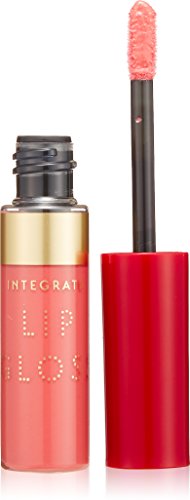
#9 — Integrate Juicy Balm Gloss (¥1,100)
Shiseido’s Integrate Juicy Balm Gloss straddles the line between balm and tint. It’s the most moisturizing option here, loaded with shea butter and ceramides. But lasting power is the weakest at 4–6 hours, meaning you’ll reapply after lunch. Best suited for winter travel when lips crack in heated hotel rooms.
How to Apply Japanese Lip Tints for Maximum Staying Power
Application technique matters as much as formula. Japanese beauty influencers consistently recommend a method called “stain layering” (ステインレイヤリング), and it genuinely adds 2–3 hours of wear time.
The center-first technique creates a natural gradient (グラデーション, “gradation lip”) that’s a signature look in Japanese makeup. The center appears darker, fading to your natural lip color at the edges. It looks more natural than a solid block of color and, critically, fades more gracefully—you won’t end up with a harsh ring of pigment around bare lips.
Pro Tip
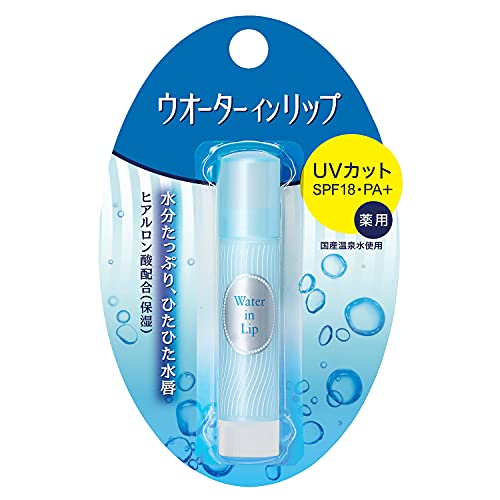
Hyaluronic-acid lip balm and a drugstore staple. Restores gloss over a lip stain without disturbing the color underneath.
Where to Buy Japanese Lip Tints: Drugstore vs. Variety Shop vs. Don Quijote
All nine products are available at Japan’s major drugstore chains. But stock levels and pricing vary by retailer.
Matsumoto Kiyoshi & Cocokara Fine
The widest selection. The Shibuya Center-gai Matsumoto Kiyoshi stocks all nine brands listed here. Tax-free counter available for purchases over ¥5,000 (total, not per item). Best visited before 11 AM to avoid tourist crowds.
Ainz & Tulpe
Ainz & Tulpe stores in Shinjuku and Omotesando have testers for almost every lip product, which most drugstores don’t. If you want to swatch before buying, start here. Prices match standard retail.
Don Quijote (Donki)
Prices at Donki run about ¥50–¥100 lower than drugstores on some Canmake and Cezanne products. The trade-off: the beauty section is chaotically organized, and popular shades sell out fast. The Shinjuku Kabukicho flagship restocks lip products on Tuesday mornings around 10 AM.
Heads Up
Tax-Free Shopping & Packing Lip Tints for the Flight Home
Cosmetics qualify as “consumable goods” under Japan’s tax-free system. Spend ¥5,000 or more (excluding tax) at a single store in a single day, and you’ll get the 10% consumption tax removed at checkout. The cashier seals your items in a tamper-evident bag. Don’t open the bag until you leave Japan or you risk having to repay the tax at customs.
Lip tints are liquid products, typically under 10 mL per tube. They comfortably fit in your carry-on liquids bag (the 100 mL limit per container isn’t a concern). A haul of all nine tints on this list would weigh roughly 90 grams total and cost about ¥9,845 before tax (¥8,950 after tax-free discount)—roughly $60 USD for nine products.
Pro Tip
What Japanese Insiders Actually Buy (and What They Skip)
Here’s something most tourist blogs won’t tell you: the lip tint that Japanese office workers restock most often isn’t the viral Kate Lip Monster—it’s Ettusais. Internal Shiseido sales data (cited in the beauty trade publication WWD Japan, March 2025) showed Ettusais Lip Edition outselling Kate in repeat purchases among women aged 25–35. The reason is simple: Kate makes a great Instagram post, but Ettusais is the one that goes back in the work bag every morning.
Conversely, Japanese beauty community forums (like @cosme and Lips) are lukewarm on the Cezanne Watery Tint. Despite its popularity among overseas buyers, local reviewers consistently rate it 3.8/5 or lower, citing dryness. It scores well with tourists because the watery formula feels familiar to anyone used to Korean tints—but locals prefer the creamier Japanese textures.
If you’re buying gifts, Canmake Lip Tint Syrup is the safest choice. It’s universally flattering, cheap enough to buy in bulk, and the compact tube features Japanese-market-only packaging that makes it feel special to receive overseas. The Canmake Lip Tint Syrup is our top gifting recommendation.
Frequently Asked Questions
Are Japanese lip tints safe for sensitive skin?
Japanese cosmetics are regulated under the Pharmaceutical and Medical Device Act (薬機法), which requires pre-market safety testing. Most tints on this list are free of parabens and synthetic fragrances. However, if you have a known allergy to carmine (CI 75470), check labels carefully—several shades in the Canmake and Majolica Majorca lines use carmine-based red pigments. Ettusais and Kate offer carmine-free shades in their pink and coral range.
Do Japanese lip tints work on darker skin tones?
Most shades are formulated for the Japanese domestic market, which skews lighter. On deeper skin tones, sheer pinks may not show up well. Your best bets are Kate Lip Monster (shade M03 Burgundy), Visee Riche (shade RD400 Deep Rose), and Majolica Majorca (shade PK412 Raspberry Fizz). These have enough pigment density to register as visible color on medium-to-deep complexions. Layer 2–3 coats for best results.
How long do Japanese lip tints last unopened?
Japanese cosmetics typically carry a PAO (period after opening) symbol on the packaging. Most lip tints are marked 12M (12 months after opening). Unopened, they’re stable for about 3 years if stored below 25 °C and away from direct sunlight. This makes them viable souvenirs even if your friend won’t use them right away.
Can I find these lip tints at Japanese airports?
Narita and Haneda airports stock limited Japanese beauty products, but the selection is heavily weighted toward premium brands (Shiseido, SK-II, Cle de Peau). Drugstore brands like Canmake, Cezanne, and Ettusais are rarely available airside. Buy them in the city before heading to the airport. If you’re truly last-minute, the FaSoLa duty-free shops at Narita Terminal 1 occasionally carry Kate Lip Monster, but shade selection is unpredictable.
What’s the difference between a Japanese lip tint and a Korean lip tint?
Korean lip tints (like Romand, Peripera) tend to use water or gel bases that deliver high pigment in a very thin, fast-drying layer. Japanese tints lean creamier and more emollient, with lower initial pigment but better long-term stain. Korean tints are better for vivid, Instagram-ready color. Japanese tints are better for a natural “your lips but better” look that lasts through meals. The choice depends on whether you want impact or subtlety.
How do I remove a stubborn Japanese lip tint stain?
Oil-based removers work best. Apply a cleansing oil (like DHC Deep Cleansing Oil or Muji Mild Cleansing Oil) to dry lips, massage for 20 seconds, then wipe with a damp cotton pad. Micellar water alone won’t fully remove high-stain formulas like Kate Lip Monster or Visee Riche. For a quick fix on the go, coconut oil wipes from any konbini (convenience store) do the job in about 30 seconds.
Disclosure
This article contains affiliate links. We may earn a commission when you buy through them, at no extra cost to you. Every pick is an honest recommendation.
Shop Japanese beauty products