

Best Japanese Instant Ramen 2026: 10 Cups & Packs Ranked by Locals
Updated June 2026 · 14 min read
Japan Shop Helper Editorial
Tokyo-based · prices & fees verified on real orders
The instant ramen section at a Japanese convenience store is overwhelming in the best possible way — forty varieties, none of which exist outside Japan. The category runs deep, and even seasoned shoppers keep finding something new. The standard is genuinely different here: multi-sachet broth systems, non-fried noodles, freeze-dried toppings that actually reconstitute into something real. Not the same product category as a packet of Pot Noodle.
Ten ranked picks below, split into three categories: cup ramen for eating now, dried packs for bringing home, and fresh-type refrigerated ramen you should eat in Japan and definitely not try to get through customs. Scroll to the comparison table if you’re in a hurry.
Three Types of Ramen. Only Two Are Worth Carrying Home.
Walk into any Japanese konbini or supermarket and you’ll encounter three very different instant ramen formats. Confusing them leads to soggy noodles at an airport lounge or, worse, a confiscated pack at customs.
1. Cup Ramen (カップラーメン)
Self-contained styrofoam or plastic cups. Add boiling water, wait 3–5 minutes. Price range: ¥150–¥350. Perfect for eating in your hotel room or at a konbini hot-water station. Lightweight, but the cup shape wastes suitcase space.
2. Dried Packaged Ramen (袋麺 / 袋ラーメン)
Flat packs containing dried noodle blocks, seasoning sachets, and sometimes dried toppings. These need a pot and stovetop (or at least a microwave-safe bowl and 3 minutes on high). They’re flat, light, and the best souvenir format. A 5-pack of Nissin Raoh weighs roughly 500 g and stacks neatly in checked luggage.
3. Fresh-Type Refrigerated Ramen (生ラーメン)
Found in the chilled section. Soft, unfried noodles with liquid broth concentrate. These taste closest to restaurant ramen — but they expire in 2–4 weeks and need refrigeration. Eat them in Japan; don’t try to bring them home unless you’re on a short trip with a cooler bag. Myojo Chukazanmai is the gold standard here: three servings for about ¥400, with a rich sesame-soy broth that rivals many sit-down shops.
Pro Tip
Why Japanese Instant Ramen Outperforms Everything Else
The gap between Japanese instant noodles and their overseas counterparts isn’t marketing — it’s engineering. Japanese manufacturers use multi-sachet broth systems: a powdered dashi base in one packet, a liquid tare (seasoning concentrate) in another, and sometimes a third packet of aromatic oil. Each component is calibrated so flavors layer when combined, instead of hitting your palate as one flat salty note.
Take Nissin Raoh’s tonkotsu variant. The noodles are made with a process Nissin calls “triple-layer straight-cut,” which mimics the springy bite of fresh ramen-shop noodles. The broth packet contains pork-bone extract with collagen that visibly clouds the water, plus a separate back-fat oil sachet. The result at ¥100 per serving (sold in 5-packs around ¥480) is startlingly close to a ¥900 bowl at a mid-tier ramen-ya.
Freeze-dried toppings are another area where domestic brands excel. A cup of Nissin Cup Noodle Rich contains actual freeze-dried shrimp, pork cubes, and egg that reconstitute into something resembling real food — not the dehydrated confetti you find in most Western cup noodles. These techniques cost more to produce, which is why the same brands sell cheaper, simplified versions for export markets. Buying in Japan means getting the premium formulation at the domestic price.
If you’re interested in other uniquely Japanese food products worth bringing home, our guide to Japanese snack souvenirs covers the broader category.
The 10 Best Japanese Instant Ramen, Ranked
Ranked on four criteria: flavor quality (50%), value for money (20%), convenience of preparation (15%), and suitcase-friendliness as a souvenir (15%). Prices are typical supermarket or konbini prices in 2026.
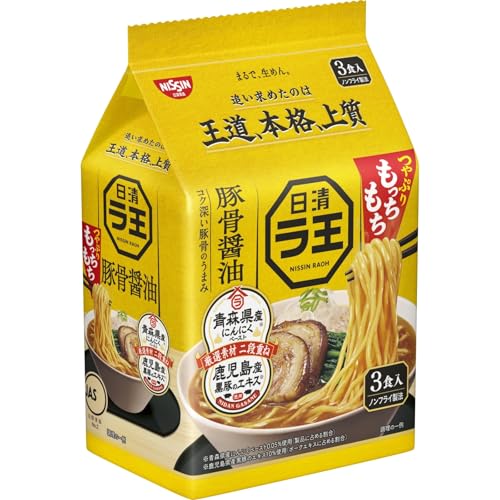
#1. Nissin Raoh (日清ラ王) — Tonkotsu
The king of packaged ramen. Nissin Raoh’s tonkotsu flavor uses non-fried straight noodles that cook in 4 minutes and have a genuine snap when you bite. The triple-sachet system (powder, liquid broth, back-fat oil) produces a milky, collagen-rich soup. A 5-pack costs ¥450–¥520 at most supermarkets. Each pack weighs about 100 g, making it easy to stack flat in luggage. The gap between this and a ¥900 restaurant bowl is genuinely smaller than it should be.

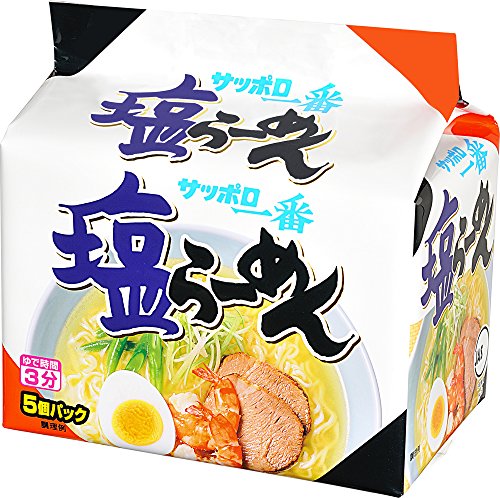
#2. Sapporo Ichiban (サッポロ一番) — Shio (Salt)
This has been Japan’s top-selling instant ramen for decades, and the shio (salt) flavor is the one locals reach for. The broth is delicate — chicken-forward with a clean finish. Locals add butter and corn for a Hokkaido-style twist. A 5-pack runs about ¥400. The noodles are fried (unlike Raoh), so they cook in 3 minutes and have a slightly different, chewier texture.
#3. Myojo Chukazanmai (明星 中華三昧) — Tantanmen
Myojo’s Chukazanmai line targets the premium end of packaged ramen. The tantanmen (spicy sesame) version packs a complex broth with ground sesame paste, chili oil, and Sichuan pepper notes. The noodles are thin and non-fried, giving them a slippery, almost fresh quality. Three packs cost around ¥380. The only downside: the rich sesame sachet can leak if punctured, so wrap each pack in a zip-lock bag for travel.

#4. Nissin Cup Noodle Rich — Luxury Seafood
If you’re buying cup ramen to eat in Japan tonight, this is the one. At ¥298, it’s pricier than a standard Cup Noodle (¥198), but the difference is dramatic. Freeze-dried shrimp, squid, and crab-flavored surimi rehydrate into surprisingly plump pieces. The broth has a lobster-bisque richness that tastes nothing like the regular seafood Cup Noodle. Add boiling water, wait 3 minutes, done.
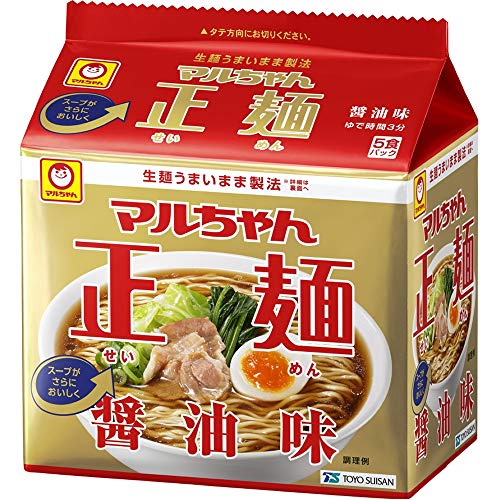
#5. Maruchan Seimen (マルちゃん正麺) — Shoyu
Maruchan’s Seimen line is Nissin Raoh’s direct rival. The shoyu (soy sauce) flavor nails that Tokyo-style clear broth — dark, savory, with a subtle sweetness from mirin. The noodles use a patented “raw-noodle revolution” drying method and genuinely feel fresh after 4 minutes of boiling. A 5-pack costs ¥450. The flavor is less aggressive than tonkotsu, making it a better entry point for people new to Japanese ramen.
#6. Ippudo Akamaru Cup (一風堂 赤丸)
Ippudo is a Hakata-based ramen chain with shops worldwide, and their branded cup ramen is a surprisingly faithful miniature of the restaurant bowl. The broth is thick tonkotsu with a miso-tare accent, and the noodles are thin and straight, Hakata-style. At ¥298 for a single cup, it’s on the expensive side, but it’s worth trying once. You’ll find it at 7-Eleven and Lawson nationwide.
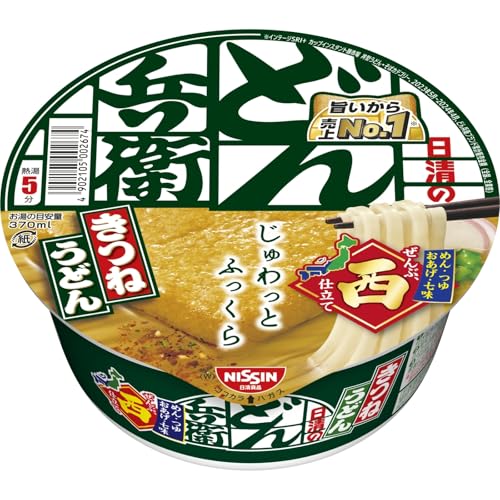
#7. Nissin Donbei Kitsune Udon (日清どん兵衛 きつねうどん)
Technically udon, not ramen — but tourists love it and it belongs here. The dashi broth is kelp-and-bonito based, clear and deeply savory without being salty. A large, sweet fried-tofu skin (kitsune) rehydrates on top. Costs about ¥198. Here’s the insider trick: Nissin makes two versions — an East Japan formula (darker, bonito-heavier) and a West Japan formula (lighter, kelp-forward). The packaging looks identical except for a small “E” or “W” mark. Buy both in Tokyo and Osaka to compare.
Pro Tip
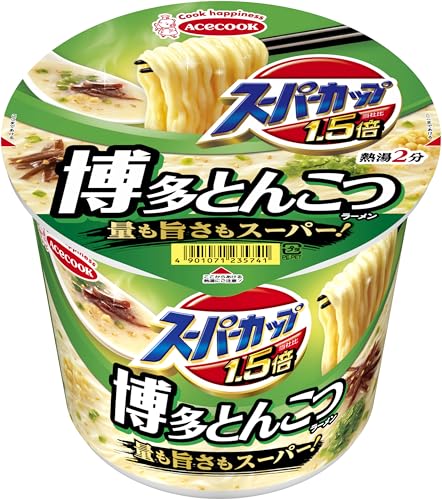
#8. Ace Cook Super Cup 1.5x (スーパーカップ1.5倍) — Tonkotsu
The budget champion. At ¥150–¥180, Super Cup gives you 1.5 times the noodle volume of a standard cup. The tonkotsu broth is straightforward — creamy, porky, not as layered as Ippudo’s cup — but the sheer amount of food per yen is unbeatable. Perfect for the exhausted, hungry traveler who doesn’t want to think. Hot water, 3 minutes, eat.
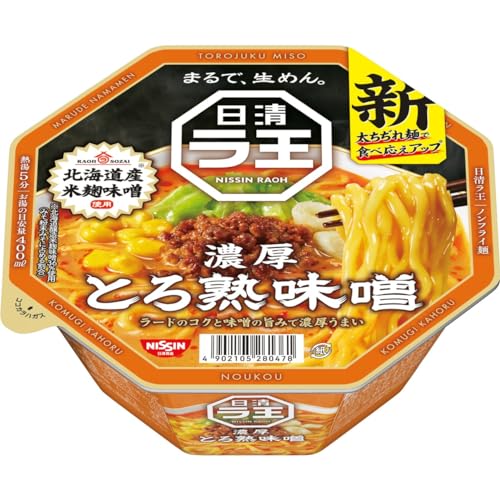
#9. Nissin Raoh Cup — Miso
Nissin took the Raoh formula and squeezed it into a cup format. The miso version stands out: a rich, fermented broth with a liquid miso sachet you stir in after the noodles rehydrate. At ¥248, it’s a good middle ground between the convenience of cup ramen and the quality of packaged ramen. The non-fried noodles are thicker than most cups and take a full 5 minutes to soften properly — don’t rush it.
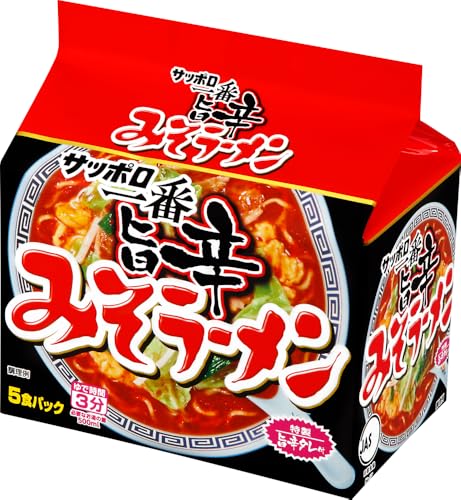
#10. Sapporo Ichiban — Miso
The miso variant of Sapporo Ichiban is a classic for a reason. The broth has a robust red-miso base with garlic and ginger notes. It’s been on shelves since 1968 and remains one of the best-selling instant ramens in Japan. A 5-pack costs ¥400. If you add a pat of butter, a slice of corn, and some ground pork, you’ll have something startlingly close to Sapporo’s famous miso ramen — for roughly ¥150 a bowl.
Comparison Table: All 10 Ranked
Prices are typical 2026 retail. “Souvenir Score” rates how well each product survives luggage travel (1–5 scale).
| Rank | Product | Format | Broth | Price | Souvenir Score |
|---|---|---|---|---|---|
| 1 | Nissin Raoh Tonkotsu | Pack (5) | Tonkotsu | ¥480 | 5/5 |
| 2 | Sapporo Ichiban Shio | Pack (5) | Shio (Salt) | ¥400 | 5/5 |
| 3 | Myojo Chukazanmai Tantanmen | Pack (3) | Sesame-Chili | ¥380 | 4/5 |
| 4 | Nissin Cup Noodle Rich Seafood | Cup | Lobster-Seafood | ¥298 | 2/5 |
| 5 | Maruchan Seimen Shoyu | Pack (5) | Shoyu (Soy) | ¥450 | 5/5 |
| 6 | Ippudo Akamaru Cup | Cup | Tonkotsu-Miso | ¥298 | 2/5 |
| 7 | Nissin Donbei Kitsune Udon | Cup | Dashi (Kelp-Bonito) | ¥198 | 3/5 |
| 8 | Ace Cook Super Cup Tonkotsu | Cup | Tonkotsu | ¥168 | 2/5 |
| 9 | Nissin Raoh Cup Miso | Cup | Miso | ¥248 | 3/5 |
| 10 | Sapporo Ichiban Miso | Pack (5) | Miso | ¥400 | 5/5 |
Where to Buy: Konbini vs. Supermarket vs. Don Quijote
Convenience stores (7-Eleven, Lawson, FamilyMart) carry individual cups and single packs. Prices are full retail. They’re your best bet for a quick late-night bowl since most have free hot water dispensers near the register — just ask the staff: “Oyu wa arimasu ka?” (お湯はありますか?).
Supermarkets (AEON, Life, Ito-Yokado) sell multi-packs at 15–25% below konbini price. A 5-pack of Sapporo Ichiban runs ¥400 at most supermarkets versus ¥120 per single pack at 7-Eleven (¥600 equivalent for five). If you plan to buy more than three types, make one supermarket trip.
Don Quijote (ドン・キホーテ) stocks both individual and multi-packs, often with tax-free pricing for tourists spending over ¥5,000. The ramen aisle in the Shibuya Mega Donki spans roughly 8 meters and includes regional exclusives you won’t find in Tokyo konbinis. For more on shopping at Don Quijote and other discount stores, see our Don Quijote shopping tips.
Packing Instant Ramen: Carry-On vs. Checked Luggage
Dried packaged ramen (袋麺) passes through airport security without issue in both carry-on and checked bags. The sachets contain powders and small amounts of oil well under the 100 ml liquid limit. A dozen or more packs of Nissin Raoh will clear security in a carry-on backpack at Narita, Haneda, and Kansai airports without issue.
Cup ramen is carry-on safe too, but the cups crush easily. If you’re checking a bag, surround each cup with clothing. In a carry-on, place cups at the top where nothing presses down on them.
Heads Up
Weight matters if you’re near your luggage limit. A 5-pack of dried ramen weighs 450–550 g. Ten packs (two 5-packs) add roughly 1 kg — about the same as a small bottle of sake. Cup ramen is lighter per unit (80–120 g each) but takes more volume.
Budget Breakdown: How Much to Spend
A realistic ramen souvenir haul for one person: two 5-packs of dried ramen (¥900), three cups for eating in Japan (¥650), one premium 3-pack like Chukazanmai (¥380). Total: about ¥1,930, or roughly $13 USD. That gets you 13 servings of ramen that would cost $5–$8 each on Amazon in the US.
For comparison, the same Nissin Raoh 5-pack sells for $12–$15 on US Amazon (versus ¥480 / ~$3.20 in Japan). Maruchan Seimen is nearly impossible to find outside Japan at any price. The savings alone justify stuffing a corner of your suitcase with noodles.
If you’re curious about other affordable items that are dramatically cheaper in Japan, our best things to buy in Japan feature covers everything from stationery to kitchen tools.
Regional Exclusives Worth Hunting
Japan’s instant ramen world has a “regional limited” (ご当地) culture. Manufacturers release flavors tied to specific cities, sold only in that region. These make exceptional souvenirs because they’re literally unavailable elsewhere.
In Hokkaido, look for Nissin’s Raoh Butter Corn Miso, which adds real butter powder and corn to the standard miso base. It’s sold at NewDays kiosks in Sapporo Station and costs ¥220 per cup. In Hiroshima, you’ll find tsukemen (dipping ramen) packs at local supermarkets for around ¥350. Fukuoka’s regional packs emphasize ultra-thin Hakata-style noodles with a more concentrated tonkotsu broth than the nationwide version.
The best hunting ground for regionals is the souvenir section of major train stations (omiyage corners). JR Kyoto Station’s underground shopping area alone carries 8–10 regional ramen varieties priced at ¥300–¥600 each.
How to Cook Japanese Instant Ramen Properly
Most tourists boil the water, dump everything in, and eat. That works, but you’re missing 30% of the flavor. Here’s the method that Japanese home cooks use for packaged ramen:
Step 1:Boil 500 ml of water (check the packet — some call for 450 ml, others 550 ml). Precision matters. Too much water dilutes the broth.
Step 2:Cook noodles for exactly the time listed. For Nissin Raoh, that’s 4 minutes. Pull them out 30 seconds early if you like a firmer bite (this is called “katamen” in ramen shops).
Step 3: Turn off the heat before adding seasoning packets. Pour the powder base first, then the liquid tare, then the oil. Stir gently. Adding oil last lets it float on the surface, creating the same glossy layer you see in a real ramen bowl.
Step 4:Transfer to a proper bowl. Eating from the pot kills presentation and cools the noodles unevenly. If you’re in a hotel without a bowl, the konbini sells ¥100 microwave-safe bowls that double as a souvenir.
Pro Tip
The MSG Question: What’s Actually in the Packets
Many tourists worry about MSG (monosodium glutamate) in Japanese instant ramen. Here’s the reality: most premium Japanese brands (Raoh, Seimen, Chukazanmai) build their umami from natural glutamate sources — kelp extract, dried bonito, shiitake, and pork-bone collagen — rather than relying solely on added MSG powder.
That said, the ingredient lists (in Japanese) do often include 調味料(アミノ酸等), which translates to “seasoning (amino acids, etc.)” — a category that includes MSG. The amounts are typically lower than in budget brands. If you specifically want MSG-free options, look for the label 化学調味料不使用 (kagaku choumiryou fushiyou), meaning “no chemical seasonings used.” The Chukazanmai line and several organic brands at Natural Lawson carry this label.
The scientific consensus, backed by the WHO, FDA, and Japan’s Consumer Affairs Agency, is that MSG in normal food quantities is safe. But if you have a specific sensitivity, now you know what to scan for on the package.
Frequently Asked Questions
Can I bring Japanese instant ramen on a plane?
Yes. Dried packaged ramen and cup ramen are allowed in both carry-on and checked luggage on all major airlines departing Japan. The powder and small oil sachets don’t trigger liquid restrictions. Fresh-type ramen with large liquid broth packs should go in checked bags only.
Which Japanese instant ramen is the best for souvenirs?
Dried packs (袋麺) are the best souvenir format: flat, lightweight, and shelf-stable for 6–12 months. Nissin Raoh and Sapporo Ichiban 5-packs score highest for suitcase-friendliness. Avoid cup ramen as souvenirs — the cups crush and waste space. Regional exclusives from train station omiyage shops make especially memorable gifts.
Is Japanese instant ramen cheaper in Japan than overseas?
Significantly. A 5-pack of Nissin Raoh costs ¥480 (~$3.20 USD) in a Japanese supermarket. The same product lists for $12–$15 on US Amazon. Some brands like Maruchan Seimen and Myojo Chukazanmai are nearly impossible to find outside Japan at any price.
Where’s the best place to buy instant ramen in Japan?
Supermarkets (AEON, Life, Ito-Yokado) offer the lowest prices on multi-packs. Don Quijote has the widest variety plus tax-free shopping for tourists. Konbini stores are convenient for individual cups and provide hot water on-site. Train station omiyage shops stock regional exclusives you won’t find elsewhere.
What’s the difference between Nissin Raoh and Maruchan Seimen?
Both use non-fried noodles and multi-sachet broth systems. Raoh’s noodles are slightly thicker with more chew; Seimen’s are thinner and cook faster. Raoh’s tonkotsu is richer; Seimen’s shoyu is more refined. Neither is definitively better — they target different ramen styles. Buy both and compare; at ¥450–¥480 per 5-pack, the total experiment costs less than a single restaurant bowl.
Do I need a stove to make packaged ramen, or can I use a hotel kettle?
Technically you need boiling water and 3–5 minutes of cooking time. In a hotel, boil water in the room kettle, pour it into a microwave-safe bowl with the noodles, cover with a plate, and wait 5–6 minutes (about 1 minute longer than stovetop). The noodles won’t be quite as perfectly textured, but they’ll be 90% as good. Alternatively, many konbini hot-water stations dispense near-boiling water for free.
Disclosure
This article contains affiliate links. We may earn a commission when you buy through them, at no extra cost to you. Every pick is an honest recommendation.
Get Japanese snacks delivered