

Best Japanese Green Tea 2026: Sencha vs Matcha vs Gyokuro — Fully Compared
Updated June 2026 · 14 min read
Japan Shop Helper Editorial
Tokyo-based · prices & fees verified on real orders
Once you’ve had a bowl of thick, jade-colored matcha from a Kyoto tea ceremony, ordinary green tea bags can taste flat for weeks afterward. It’s not just perception — Japan produces some of the most carefully cultivated tea on the planet, and the gap between what you’ll find at a Uji farm gate and a supermarket overseas is enormous. This guide ranks 10 specific Japanese green teas across five categories so you know exactly which brand to grab at Don Quijote, which tin to hunt down in Nishiki Market, and which ones survive the suitcase trip home.
We’ll cover everything from ¥150 convenience-store cans to ¥4,000 ceremonial-grade matcha tins, explain how shade-growing transforms a leaf into gyokuro, and share the customs and packing knowledge you need to actually get your haul through airport security. If you’re shopping for Japanese souvenirs, tea is one of the lightest, longest-lasting options you can carry.
Why Japanese Green Tea Tastes Different from Everything Else
Most of the world’s green tea is pan-fired — heated in a dry wok to stop oxidation. Japanese producers use steam instead. The steaming step, typically lasting 30 to 120 seconds depending on the style, locks in a grassy, marine sweetness that pan-firing burns away. That single processing difference explains why even cheap sencha from a Japanese convenience store has more depth than many premium Chinese green teas in a different flavor profile.
Terroir matters too. Shizuoka Prefecture produces about 40% of Japan’s tea. Kagoshima in the south has been closing the gap with volcanic soil that pushes earlier harvests. And Uji, a small area between Kyoto and Nara, remains the prestige origin for matcha and gyokuro — think of it as the Champagne of Japanese tea. A 30g tin of Uji matcha in Kyoto runs ¥2,000–¥4,000; the same quality imported to North America or Europe often costs $40–$80.
Here’s the insider fact most tourists miss: the vast majority of matcha marketed as “ceremonial grade” outside Japan is actually culinary grade that’s been relabeled. Real ceremonial matcha is stone-milled from tencha leaves that were shade-grown for at least 20 days, and it dissolves into a frothy, sweet bowl with zero bitterness. If the tin costs less than ¥1,500 in Japan or under $25 abroad, you almost certainly have culinary grade regardless of what the label says.
The Five Types of Japanese Green Tea Tourists Actually Encounter
Sencha — The Everyday Standard
Sencha accounts for roughly 60% of all tea produced in Japan. The leaves are steamed, rolled, and dried into thin, needle-like shapes. Brewing at 70–80°C for 60–90 seconds yields a bright, slightly astringent cup with vegetal sweetness. You’ll find sencha in every hotel room, every konbini, and every office pantry. A 100g bag of decent loose-leaf sencha costs ¥500–¥1,200 at most supermarkets.
Matcha — The One You Already Know
Matcha is powdered green tea made from shade-grown tencha leaves. Ceremonial grade is whisked with a bamboo chasen in 70–80ml of 80°C water. Culinary grade goes into lattes, desserts, and baking. The color tells you a lot: ceremonial matcha is a vibrant, almost neon green; culinary grade skews olive or yellowish. A 30g tin of genuine ceremonial matcha from a Uji producer like Marukyu Koyamaen will last about 15 bowls.
Gyokuro — The Umami Bomb
Gyokuro is shaded for 20+ days before harvest, the same technique used for tencha (matcha’s base leaf). But instead of grinding the leaf into powder, gyokuro is rolled and dried like sencha. The extended shade-growing boosts L-theanine to around 1,600–2,400 mg/100g of dry leaf — roughly three times the level in regular sencha. The result is an intensely savory, almost brothy flavor that catches first-time drinkers off guard. Brew it at 50–60°C with only 30–40ml of water for the fullest experience. Expect to pay ¥1,500–¥5,000 per 100g.
Hojicha — The Low-Caffeine Comfort Tea
Hojicha is roasted sencha or bancha, identifiable by its reddish-brown color and toasty, caramel-like aroma. The roasting process reduces caffeine significantly — roughly 20 mg per cup versus 30–50 mg for sencha. Japanese parents routinely give hojicha to children. It brews forgivingly at any temperature between 80–100°C, making it an excellent souvenir for friends who aren’t tea enthusiasts. A 100g bag rarely exceeds ¥600.
Genmaicha — The Beginner’s Gateway
Genmaicha blends sencha or bancha with toasted brown rice, some of which pops into puffed grains during processing. The rice adds a nutty, popcorn-like warmth that softens the grassiness of the tea. At ¥300–¥700 per 100g, it’s one of the most affordable and crowd-pleasing souvenirs. Brew at 80–90°C for 30–60 seconds.
Quick Comparison: Japanese Green Tea Types at a Glance
| Type | Price per 100g | Brew Temp | Flavor Profile | Best For |
|---|---|---|---|---|
| Sencha | ¥500–¥1,200 | 70–80°C | Grassy, slightly sweet, mild astringency | Daily drinking, bulk souvenirs |
| Matcha (Ceremonial) | ¥2,000–¥4,000 / 30g | 80°C | Creamy, sweet, full-bodied | Premium gifts, personal use |
| Matcha (Culinary) | ¥800–¥1,500 / 30g | N/A (baking/lattes) | Bitter, robust, holds up to milk | Baking, matcha lattes |
| Gyokuro | ¥1,500–¥5,000 | 50–60°C | Rich umami, almost brothy, sweet | Serious tea drinkers, special occasions |
| Hojicha | ¥300–¥600 | 80–100°C | Toasty, caramel, smooth | Evening drinking, gifts for non-tea people |
| Genmaicha | ¥300–¥700 | 80–90°C | Nutty, popcorn, light | First-time tea drinkers, crowd-pleasing gifts |
10 Best Japanese Green Tea Brands and Products to Buy in 2026
These are ranked across five criteria: flavor quality, souvenir practicality (packaging, shelf life, TSA-friendliness), price-to-quality ratio, availability in tourist areas, and how well they represent their category. The list moves from most accessible to most premium.
1. Ito En Oi Ocha (Canned / Bottled Sencha)
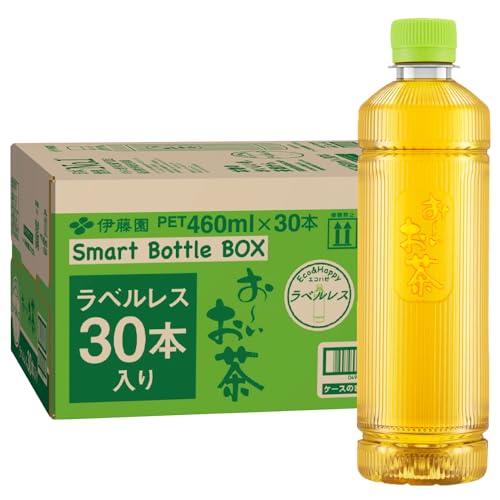
This is the tea you drink in Japan, not the one you bring home. Available in every konbini for ¥130–¥160, the 500ml PET bottle version is sugar-free and brewed from first-flush sencha. Compared to the international export version (which tastes noticeably flatter), the Japan-market Oi Ocha has a rounder body and deeper color. Grab one from a 7-Eleven fridge within your first hour in the country — it sets the baseline for everything else.
2. Yamamotoyama Sencha Tea Bags (Souvenir Box)
Yamamotoyama has been producing tea since 1690 — over 330 years. Their boxed sencha tea bags (20 bags for around ¥500) are sold at supermarkets and souvenir shops. The individually wrapped bags survive luggage compression, brew quickly in a hotel mug, and make excellent gifts because the packaging is attractive without being fussy. The flavor sits solidly in the mid-range: clean, grassy, with a hint of sweetness.
3. Fukujuen Sencha Loose Leaf (100g Bag)
Fukujuen is a Kyoto tea house established in 1790. Their standard sencha (¥800 for 100g) is available at their Uji and Kyoto-station branches. The leaves are tightly rolled, deep green, and produce a cup that balances vegetal notes with a clean finish. This is the tier where loose-leaf sencha starts to genuinely outperform tea bags — the difference in aroma alone justifies the small price bump.

4. Itohkyuemon Uji Matcha (Culinary Grade, 100g)
If you want matcha for lattes and baking, Itohkyuemon’s culinary-grade powder from Uji is a strong pick at around ¥1,200 per 100g at their shop. The color is a slightly muted green (normal for culinary grade), and the flavor is assertive enough to punch through milk or butter. Their main shop on Uji’s Byodo-in Omotesando street also serves matcha parfaits that draw long weekend lines.

5. Narita Airport Matcha Tins (Various Brands)
The tea sold at Narita and Haneda airport souvenir shops functions as an “airport benchmark.” Typical price: ¥1,500–¥2,500 for a 30g matcha tin in an ornate box. Quality is decent but not exceptional — you’re paying a 30–50% markup for the convenience and packaging. These make perfectly respectable gifts. But if you have time to shop in Kyoto or Tokyo before your flight, you can find the same quality (or better) for less.
Pro Tip
6. Lupicia Seasonal Gift Tins
Lupicia is Japan’s largest specialty tea retailer, with over 100 stores. They sell loose-leaf teas from around the world, but their Japanese green tea selection — especially seasonal limited editions — is where they shine for souvenir shoppers. A 50g tin of their Uji Shincha (first-flush spring sencha) runs about ¥1,000–¥1,500. The tins are beautifully designed, airtight, and flat enough to stack in a carry-on. Look for their “Book of Tea” gift sets (¥3,000–¥5,000) that include 15–30 single-serving pouches — ideal for splitting among coworkers.
Lupicia “Book of Tea” Gift Set — ¥3,000–¥5,000
Lupicia’s “Book of Tea” gift sets contain 15–30 individually packaged teas in a slim box — excellent for splitting among coworkers or family. Available at Lupicia shops across Tokyo and Osaka, and select Narita/Haneda airport locations. Search “Lupicia Book of Tea” on their official site for seasonal editions.
7. Ippodo Gyokuro “Kanro” (50g Bag)
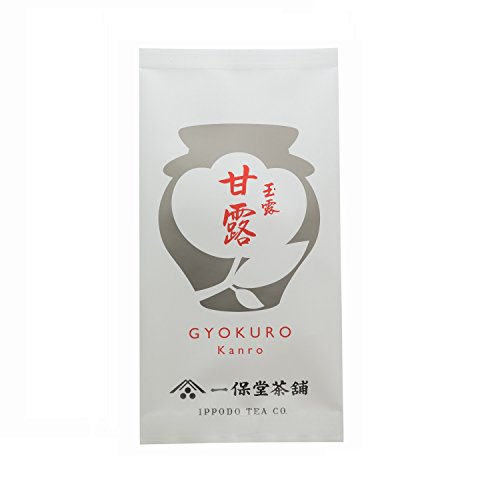
Ippodo is a Kyoto institution founded in 1717. Their “Kanro” gyokuro (¥2,700 for 50g) delivers a concentrated umami hit that makes first-timers pause mid-sip. Brew it with 40ml of 60°C water for 2.5 minutes, and the resulting thimble-sized pour has the richness of dashi. Ippodo’s main Kyoto shop on Teramachi-dori has an in-store tearoom where staff prepare gyokuro tableside so you can taste before you buy — a rare perk.
8. Den’s Tea Hojicha (100g Bag)
Den’s Tea, based in Shizuoka, roasts their hojicha in small batches. A 100g bag costs about ¥500 and fills your kitchen with a toasty aroma the moment you open the seal. Because hojicha is robust and low-fuss (any water temperature works), it’s the safest tea to buy for someone who doesn’t own a temperature-controlled kettle. Shelf life is also forgiving — roasted teas hold flavor longer than delicate senchas.
9. Yamamasa Koyamaen Genmaicha Matcha Blend (200g)
This genmaicha is dusted with matcha powder, which gives the brew a vivid green tint and a richer body than standard genmaicha. At around ¥700 for 200g, it’s absurdly good value. The toasted rice mellows the matcha’s bitterness, creating a cup that’s accessible to people who find straight green tea too grassy. Available at most supermarkets and drug stores like Matsumoto Kiyoshi.
10. Marukyu Koyamaen Uji Matcha “Aoarashi” (Ceremonial Grade, 30g Tin)
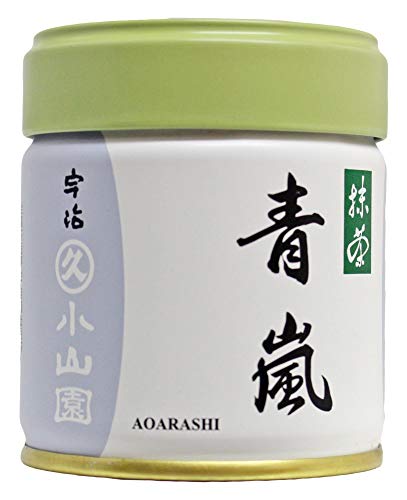
This is the benchmark. Marukyu Koyamaen has been producing matcha in Uji since the late Edo period. Their “Aoarashi” grade (around ¥3,240 for a 30g tin) is a vivid, almost electric green powder that whisks into a thick, frothy bowl with zero grittiness. The flavor is sweet, creamy, and layered — you taste marine notes first, then a clean sweetness that lingers. Japanese tea ceremony schools across the country use Marukyu Koyamaen matcha, which tells you everything about the quality standard.
All 10 Products Compared
| Product | Type | Price | Best For | Souvenir Score |
|---|---|---|---|---|
| Ito En Oi Ocha | Sencha (bottled) | ¥150 | In-Japan drinking | N/A (drink it there) |
| Yamamotoyama Sencha Bags | Sencha (bags) | ¥500 / 20 bags | Affordable gifts | ★★★★☆ |
| Fukujuen Sencha Loose Leaf | Sencha (loose) | ¥800 / 100g | Personal daily use | ★★★☆☆ |
| Itohkyuemon Culinary Matcha | Matcha (culinary) | ¥1,200 / 100g | Lattes & baking | ★★★☆☆ |
| Airport Matcha Tins | Matcha (varies) | ¥1,500–¥2,500 / 30g | Last-minute gifts | ★★★☆☆ |
| Lupicia Book of Tea | Mixed (gift set) | ¥3,000–¥5,000 | Multi-person gifts | ★★★★★ |
| Ippodo Gyokuro “Kanro” | Gyokuro | ¥2,700 / 50g | Serious tea enthusiasts | ★★★★☆ |
| Den’s Tea Hojicha | Hojicha | ¥500 / 100g | Non-tea-drinker gifts | ★★★★☆ |
| Yamamasa Koyamaen Genmaicha | Genmaicha + Matcha | ¥700 / 200g | Crowd-pleasing, high value | ★★★★★ |
| Marukyu Koyamaen “Aoarashi” | Matcha (ceremonial) | ¥3,240 / 30g | Personal splurge, premium gift | ★★★★★ |
Best Tea Shops Near Major Tourist Areas
You don’t need to make a special pilgrimage to buy good tea. These shops sit within walking distance of spots you’re likely visiting anyway.
Kyoto: Nishiki Market & Uji
Nishiki Market (a 5-minute walk from Shijo Station) has at least four dedicated tea stalls. Ippodo’s Kyoto flagship is a 10-minute walk east on Teramachi-dori. For the full Uji experience, take the JR Nara Line 17 minutes south to Uji Station. Byodo-in Omotesando street is lined with tea shops including Nakamura Tokichi (famous for their matcha soba and parfaits) and Itohkyuemon.
Tokyo: Asakusa & Nihonbashi
Nakamise-dori in Asakusa has several souvenir-friendly tea shops between Kaminarimon Gate and Senso-ji. For a more curated experience, visit Ippodo’s Tokyo branch in Marunouchi (3 minutes from Tokyo Station) or Yamamoto-en in Nihonbashi. Lupicia has a flagship in Jiyugaoka (Meguro ward) and locations inside major department stores including Isetan Shinjuku.
Osaka: Shinsaibashi & Namba
The Don Quijote in Dotonbori stocks Ito En, Yamamotoyama, and a rotating selection of matcha tins on the souvenir floor. For specialist shops, Lupicia has a branch in Namba Parks. Tsujiri, another Uji-based brand, operates a matcha cafe near Shinsaibashi Station where you can sample before purchasing sealed tins to take home.
If you’re also picking up Japanese snacks as souvenirs, many of these same locations stock matcha-flavored KitKats, Pocky, and other treats that pair well with a tea gift set.
How to Pack Tea for the Flight Home: TSA, Customs & Freshness
Loose-leaf tea and matcha powder are dry goods, so they pass through airport security and customs in most countries without issue. Sealed, commercially packaged tins and bags are the easiest — they rarely attract a second look at X-ray. Loose powder in unmarked bags, however, can trigger a hand inspection (customs agents see green powder and get cautious). Stick to original packaging whenever possible.
Heads Up
If you’re looking for a proper vessel to brew your tea at home, check our guide to Japanese kitchen essentials— a kyusu (side-handle teapot) makes a meaningful difference for sencha and gyokuro.
Brewing Cheat Sheet: Get the Most from Each Tea Type
Using boiling water on sencha or gyokuro extracts excess catechins and tannins, creating a bitter, astringent cup that’s nothing like what you tasted in Japan. Temperature control is the single most impactful variable. If you don’t have a temperature-controlled kettle, boil water and let it sit for 3–5 minutes; it’ll drop to roughly 80°C, which works for sencha, hojicha, and genmaicha.
Sencha:5g of leaf, 150ml of water at 70–80°C, steep 60–90 seconds. Pour everything out — leaving water in the pot over-extracts the leaf.
Matcha:2g of powder (about 1.5 level teaspoons) in a bowl, add 70–80ml of 80°C water, whisk rapidly in a W-motion with a chasen for 15–20 seconds until frothy.
Gyokuro:5g of leaf, 30–40ml of water at 50–60°C, steep 2–2.5 minutes. The tiny amount of water and low temperature produce an intensely concentrated, savory shot. Refill with slightly hotter water (65–70°C) for a second steep.
Hojicha:5g of leaf, 200ml of boiling or near-boiling water, steep 30–60 seconds. Hojicha is forgiving — even overbrewing it won’t make it bitter.
Genmaicha:5g of leaf, 200ml of water at 80–90°C, steep 30–60 seconds. The rice can turn mushy if steeped too long, so err on the shorter side.
Pro Tip
Budget vs. Premium: How Much Should You Spend on Japanese Green Tea?
A tourist on a tight budget can spend ¥2,000–¥3,000 total and walk away with genuinely good tea for themselves and 3–4 gifts. Here’s one sample budget breakdown: two boxes of Yamamotoyama sencha bags (¥1,000), one bag of genmaicha (¥500), and one bag of hojicha (¥500). Total: ¥2,000. That covers four gifts and leaves room for a few convenience-store bottles along the way.
A premium buyer who wants to bring home the best matcha, a gyokuro, and a Lupicia gift set should budget ¥8,000–¥12,000. That gets you one Marukyu Koyamaen ceremonial matcha tin (¥3,240), one Ippodo gyokuro bag (¥2,700), a Lupicia Book of Tea set (¥3,000), and some genmaicha for yourself (¥700). Total: ¥9,640 — and you’ll have enough tea to last 2–3 months.
The biggest bang-for-yen item in the entire list is genmaicha with matcha. At ¥700 for 200g, you get roughly 40 cups of a complex, satisfying tea. Nothing else on this list comes close to that per-cup value.
Frequently Asked Questions About Buying Japanese Green Tea
Can I bring Japanese green tea through airport customs?
Yes. Dry tea (loose leaf, bags, and powder) is permitted through TSA and into most countries. Sealed, commercially packaged tea clears security fastest. If you’re entering the U.S., Australia, or New Zealand, declare food items at customs — tea is almost always allowed, but undeclared food can result in fines. Avoid packing unsealed matcha in unmarked bags, as the green powder can prompt a manual inspection.
How do I tell real ceremonial matcha from culinary grade?
Three signs. First, price: genuine ceremonial matcha from an established Uji producer costs at least ¥1,500–¥2,000 per 30g tin. Under that, it’s almost certainly culinary grade. Second, color: ceremonial matcha is a vivid, bright green; culinary grade skews olive or dull. Third, origin: look for “Uji” or “Nishio” on the label, and a named producer (like Marukyu Koyamaen or Ippodo) rather than a generic brand.
Does Japanese green tea need to be refrigerated?
Unopened, a sealed tin or vacuum-packed bag stays fresh at room temperature for 6–12 months. Once opened, matcha and gyokuro should go in the fridge and be used within 3–4 weeks for peak flavor. Sencha, hojicha, and genmaicha are more resilient — store them in an airtight container away from light and use within 1–2 months after opening.
Is it cheaper to buy Japanese green tea in Japan or online?
Almost always cheaper in Japan. A 30g tin of Marukyu Koyamaen “Aoarashi” costs ¥3,240 at their Uji shop. The same product on Amazon or specialty import sites in North America and Europe typically sells for $40–$60 after import markup. The price gap narrows for mass-market brands like Ito En, where international availability keeps prices competitive.
What’s the best Japanese green tea brand for beginners?
Genmaicha with matcha is the most approachable starting point. The toasted rice softens the grassiness, and the matcha adds body without bitterness. Among brands, Yamamotoyama and Ito En are widely available and consistent. If you want loose-leaf, Lupicia’s sampler sets let you try multiple types without committing to a full bag of something you might not enjoy.
Where can I try different teas before buying?
Ippodo’s Kyoto and Tokyo shops both have in-store tearooms where staff prepare tea for you. Nakamura Tokichi in Uji serves gyokuro and matcha with Japanese sweets. Lupicia stores often have 2–3 tasting pots set up near the entrance. At Nishiki Market in Kyoto, several stalls offer free samples of sencha and hojicha. Tasting first prevents expensive regrets.
Disclosure
This article contains affiliate links. We may earn a commission when you buy through them, at no extra cost to you. Every pick is an honest recommendation.
Get Japanese snacks delivered